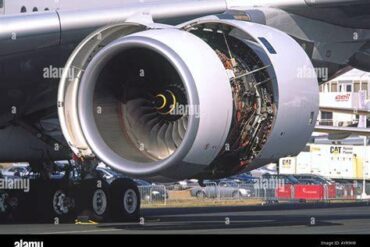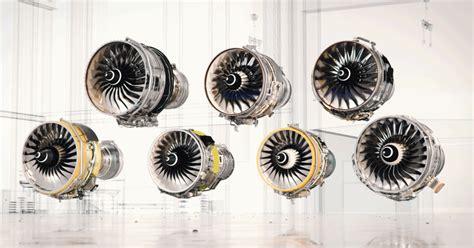
The Rolls-Royce Trent engine family represents a significant leap in aeronautical engineering, combining advanced technology with unprecedented performance in commercial aviation. Launched in 1988 as the successor to the RB211, the Trent series has become synonymous with reliability, fuel efficiency, and innovative design. These engines, with their three-spool architecture, are designed to deliver superior thrust while ensuring a smoother, more efficient flight experience. Over the years, the Trent engines have powered some of the world’s most iconic aircraft, including the Airbus A330, A340, A350, A380, and Boeing’s 777 and 787 models.
Introduction to the Rolls-Royce Trent Engine Family
The Rolls-Royce Trent family of turbofan engines is designed to meet the growing demand for high-performance, environmentally-conscious aviation solutions. Comprising a series of models such as the Trent 700, Trent 800, Trent 1000, Trent XWB, and Trent 7000, these engines are known for their exceptional thrust capabilities and fuel efficiency. With thrust ratings ranging from 61,900 lbf to 97,000 lbf, the Trent engines have been a crucial part of Rolls-Royce’s strategy to dominate the civil aviation market.

The Evolution of the Trent Engine Series
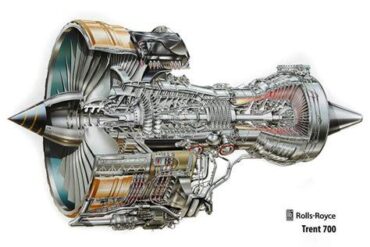
The first engine in the Trent family, the Trent 700, was introduced in 1995 to power the Airbus A330. The Trent 700 was designed to offer higher fuel efficiency and reduced emissions compared to previous engine models. Its success laid the groundwork for subsequent versions, each designed to meet the ever-growing needs of modern aircraft.
Trent 700: The Beginning of a Legacy
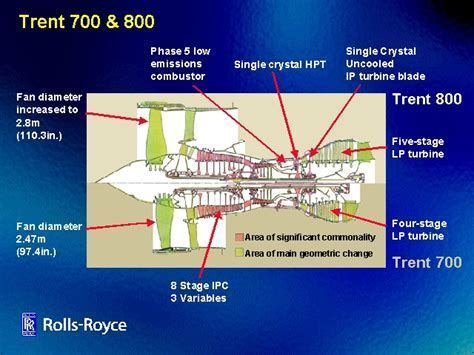
The Trent 700 marked a major departure from previous engine designs, using a three-spool architecture that allowed for greater fuel efficiency and thrust flexibility. The engine’s design incorporated advanced materials, including nickel alloys and titanium, to withstand the extreme conditions of high-performance commercial aviation.
Trent 800: Powering the Boeing 777
Introduced in the early 2000s, the Trent 800 was developed specifically for the Boeing 777. This variant retained the three-spool design but featured improved components to increase thrust output and fuel efficiency. The Trent 800 played a pivotal role in making the Boeing 777 one of the most popular wide-body aircraft in the world, providing airlines with a highly efficient engine that could handle long-range flights without compromising on performance.
Trent 1000: Revolutionizing the Boeing 787
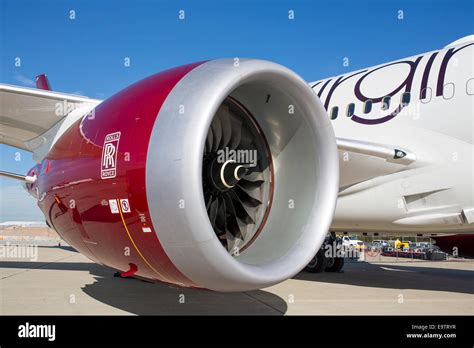
The Trent 1000 was introduced as the engine for the Boeing 787 Dreamliner, a revolutionary aircraft that changed the landscape of commercial aviation. The Trent 1000 featured advanced combustion technology, which not only reduced fuel consumption but also helped to lower emissions. Despite facing operational challenges, including turbine blade corrosion that led to a costly recall, the Trent 1000 has proven to be a valuable asset in the Boeing 787 fleet.
Trent XWB: Pushing the Limits of Efficiency
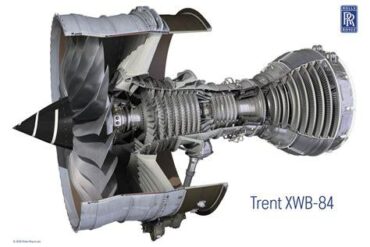
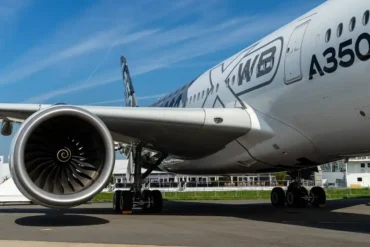
The Trent XWB, which powers the Airbus A350 XWB, represents the pinnacle of Rolls-Royce’s engine development. With a thrust range of 97,000 lbf, the Trent XWB is the most powerful engine in the Trent family. Designed to offer maximum fuel efficiency and minimum environmental impact, the Trent XWB uses the latest in advanced materials and design innovations to achieve a high bypass ratio that significantly reduces fuel consumption.
Trent 7000: The Next Step in the Evolution
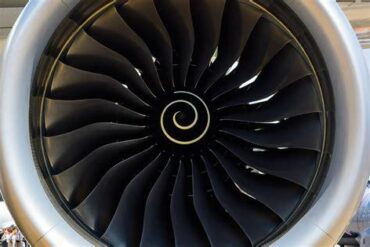
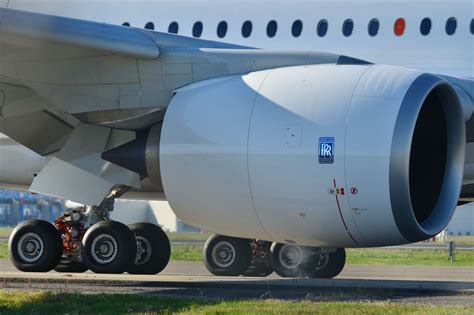
The Trent 7000, introduced for the Airbus A330neo, is a further evolution of the Trent family, combining new materials with improved aerodynamics to enhance fuel efficiency and reduce noise levels. The Trent 7000 also features a new wide-chord fan blade, which improves airflow and increases engine performance while reducing carbon emissions.
Key Technologies in the Rolls-Royce Trent Engines
One of the standout features of the Rolls-Royce Trent engines is their use of advanced technologies that enable them to achieve exceptional levels of fuel efficiency, thrust, and reliability. These technologies include:
Three-Spool Architecture
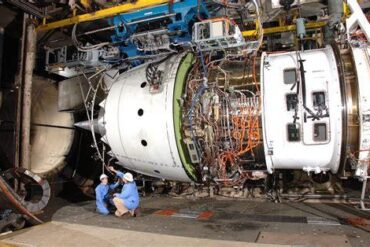
Unlike many other engines that use a two-spool system, the Trent series utilizes a three-spool architecture that divides the engine into three distinct sections: the low-pressure, intermediate-pressure, and high-pressure spools. This configuration allows for greater flexibility in managing the flow of air and fuel, improving efficiency and reliability. The three-spool design also contributes to better fuel consumption and emission reductions.
Advanced Materials
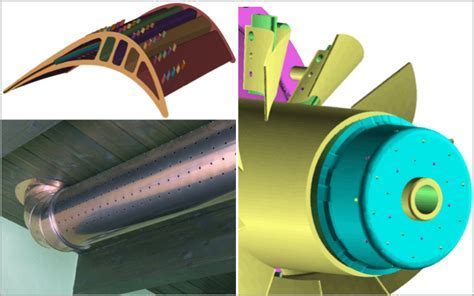
Rolls-Royce incorporates high-performance materials such as nickel alloys and titanium in the construction of its Trent engines. These materials are capable of withstanding the extreme temperatures and stresses within the engine, ensuring long-term durability and high performance standards. In addition, laser-drilled cooling holes in the turbine blades help manage temperature and improve the engine’s overall efficiency.
Reduced Emissions
A key design feature of the Trent engines is their ability to reduce emissions while still delivering powerful thrust. By utilizing advanced combustion systems and high-efficiency turbine designs, the Trent series significantly lowers the levels of carbon dioxide (CO2), nitrogen oxide (NOx), and other harmful pollutants emitted during flight. This makes the Trent engines a crucial part of the aviation industry’s efforts to reduce its carbon footprint.
Operational Performance and Market Success
The Rolls-Royce Trent engines have become a key component in the global aviation market, with the company achieving a substantial market share in the large civil turbofan engine sector. The Trent family has powered over 1,500 aircraft worldwide, with engines being deployed in commercial, military, and industrial applications. These engines are especially favored by major airlines, which value their reliability and cost-effectiveness over long periods of operation.
However, like all high-performance engines, the Trent family has faced some challenges, notably the Trent 1000‘s corrosion issues, which led to a global recall and costly repairs. Despite this, Rolls-Royce has consistently worked to address these issues and ensure the continued reliability and performance of its engines.
Future Developments: The Next Generation of Trent Engines
Looking ahead, Rolls-Royce is focusing on the development of next-generation engines that will continue to push the boundaries of fuel efficiency and environmental sustainability. The Trent Advance and UltraFan engines, currently under development, promise to deliver even greater fuel savings, reduced emissions, and quieter operation. These engines will utilize cutting-edge technologies such as advanced composites and next-generation combustion systems to achieve even higher levels of efficiency.
Trent UltraFan: A Leap Towards the Future
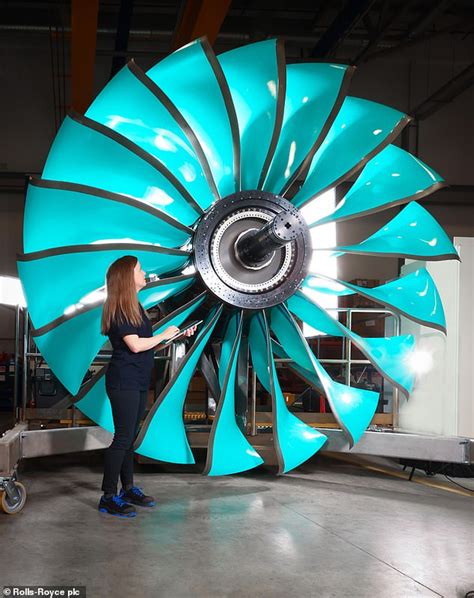
The Trent UltraFan is set to become the next major advancement in Rolls-Royce’s engine lineup. With a focus on reducing environmental impact and improving fuel efficiency, the UltraFan engine will feature an even larger fan diameter, a new gearbox, and innovative materials. The UltraFan engine is part of Rolls-Royce’s strategy to meet the growing demand for more sustainable aviation technologies.
Conclusion: A Legacy of Excellence
The Rolls-Royce Trent engine family stands as a testament to the company’s commitment to innovation, reliability, and sustainability in the aviation industry. From the early days of the Trent 700 to the cutting-edge Trent XWB and Trent 7000, Rolls-Royce has consistently delivered engines that meet the evolving demands of commercial aviation. As the company continues to push the boundaries of engineering with the development of the Trent Advance and UltraFan, it is clear that the future of aviation will continue to be powered by the exceptional performance and technological advancements of the Rolls-Royce Trent engines.