The modern widebody market demands engines that are not merely powerful, but predictable, efficient, and resilient under relentless operational pressure. Airlines no longer judge propulsion systems solely by headline thrust figures; they measure value through dispatch reliability, fuel burn stability across mission profiles, environmental compliance, and the ability to stay on wing for longer intervals without disruption. Within this context, the Rolls-Royce Trent 7000 has emerged as one of the most closely examined and strategically important engines of the past decade.
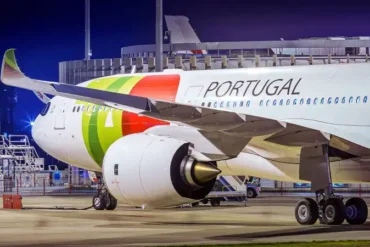
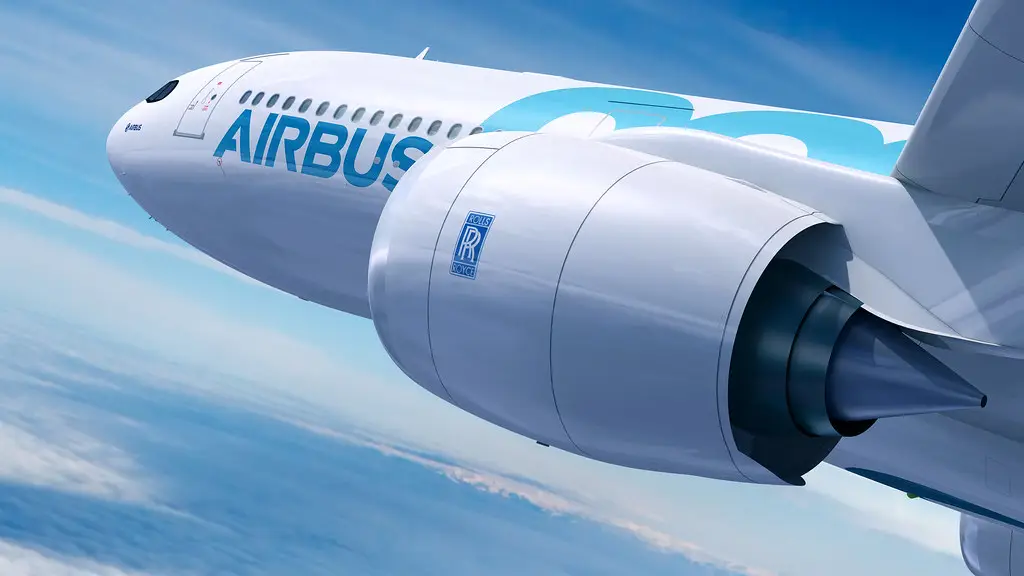
Developed exclusively for the Airbus A330neo, the Trent 7000 represents far more than an incremental upgrade over its predecessor. It is a deliberate consolidation of lessons learned from earlier Trent variants, fused with advanced materials science, digital intelligence, and a service philosophy designed to reduce uncertainty for operators. The result is an engine positioned not just as a powerplant, but as an operational system engineered for consistency at scale.
What distinguishes the Trent 7000 is the way its engineering choices align with real airline economics. From short-haul regional sectors to long-range intercontinental missions, the engine is designed to deliver stable performance across varying thrust settings, minimize noise exposure around airports, and maintain efficiency even as utilization intensifies. This balance has allowed the A330neo to secure its place as a reliable widebody platform in an era increasingly dominated by operational scrutiny.
By examining the Trent 7000’s design lineage, mechanical architecture, in-service performance, and long-term roadmap, a clearer picture emerges of why this engine is widely regarded as one of the most dependable widebody powerplants flying today.
Design Evolution Rooted in the Trent Family
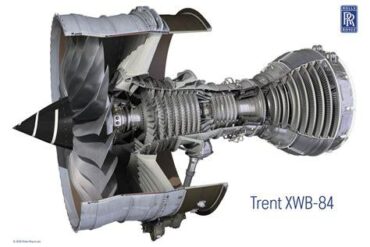
The Trent 7000 is deeply anchored in Rolls-Royce’s proven three-shaft philosophy, a design approach that has defined the Trent family for decades. Its core architecture draws directly from the Trent XWB, widely recognized for its role in powering the Airbus A350, while incorporating the ten-stage intermediate-pressure compressor developed for the Trent 1000 TEN. This lineage is not cosmetic; it provides the Trent 7000 with a mature aerodynamic foundation refined through millions of flight hours across global fleets.
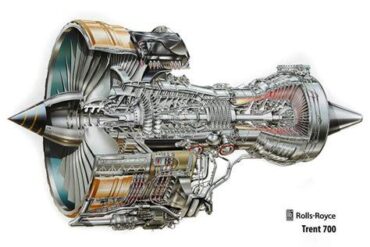
At the heart of this architecture lies the three-spool configuration, separating the low-pressure, intermediate-pressure, and high-pressure systems onto independent concentric shafts. Each spool operates at its own optimal rotational speed, reducing mechanical compromise and allowing the engine to maintain efficiency across a broader operating envelope. This becomes particularly valuable during part-load conditions, where widebody aircraft increasingly operate due to route flexibility and seasonal demand.
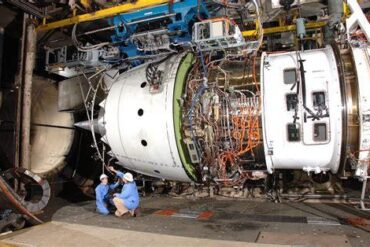
The engine’s development timeline reflects a cautious and methodical approach. Officially launched at the Farnborough Airshow in 2014, the Trent 7000 completed its first ground run in late 2015 and achieved EASA certification in mid-2018. Its entry into service followed extensive endurance testing designed to replicate long-haul operational stress, ensuring maturity before widespread airline deployment.
Aerodynamics, Materials, and Thermal Control
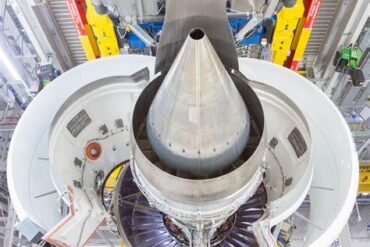
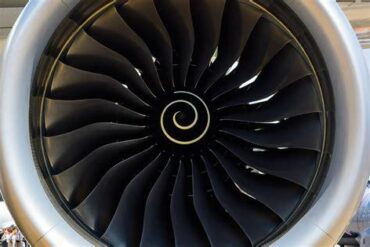
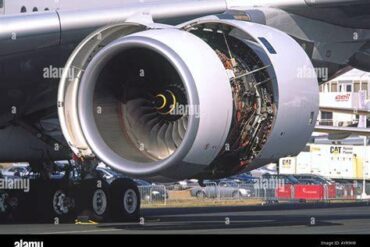
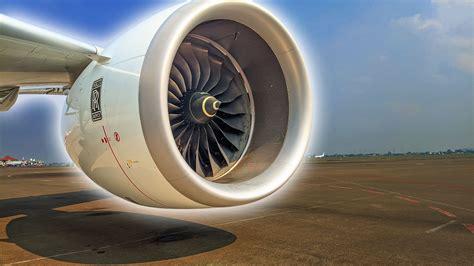
One of the most visually striking elements of the Trent 7000 is its 112-inch hollow titanium fan, a component engineered to deliver high mass airflow while minimizing structural weight. This fan, combined with a bypass ratio of 10:1, allows the engine to generate thrust more efficiently by accelerating a larger volume of air at lower velocity. The aerodynamic shaping of the blades reduces drag and contributes directly to lower specific fuel consumption.
The engine’s overall pressure ratio of 50:1 places it among the most thermodynamically efficient engines in its class. Achieving this level of compression requires precise thermal management, particularly within the high-pressure turbine. Rolls-Royce addressed this challenge through advanced ceramic thermal barrier coatings and active turbine clearance control, enabling tighter tolerances that improve efficiency without compromising durability.
Despite being approximately 285 kilograms heavier than the older Trent 700, the Trent 7000 offsets this increase through superior fuel burn performance and improved stability at low thrust settings. This stability is especially valuable during short-haul operations, where frequent throttle changes can accelerate component wear in less refined designs.

Noise Reduction and Airport Compatibility
Noise regulation has become one of the most restrictive operational constraints for widebody aircraft, particularly at congested international hubs. The Trent 7000 addresses this challenge through a combination of high bypass airflow, refined fan blade aerodynamics, and optimized exhaust mixing. Compared to the earlier A330 powerplants, the engine delivers a 6-decibel reduction in perceived noise, effectively halving acoustic footprint during takeoff and approach.
This reduction is not merely a compliance metric; it expands operational flexibility for airlines serving noise-sensitive airports. Quieter departures enable extended operating windows, reduce community opposition, and help future-proof fleets against increasingly stringent local regulations. For carriers operating dense short-haul widebody schedules, this acoustic advantage translates into tangible network resilience.
Positioning Against Competing Widebody Engines
The Trent 7000 entered a competitive landscape dominated by two-shaft engines such as the GE GEnx and legacy powerplants like the Pratt & Whitney PW4000. Each competitor emphasizes different strengths, but the Trent 7000’s value lies in its balance rather than extremes.
Two-shaft designs simplify mechanical layout by combining compressor stages on fewer shafts, which can reduce manufacturing complexity. However, this simplicity often limits flexibility during part-load operation. The Trent 7000’s three-shaft system allows each compressor to respond independently, smoothing power delivery and reducing mechanical stress during climb, cruise, and descent transitions.
In fuel efficiency terms, the Trent 7000 achieves an 11–14% improvement in specific fuel consumption compared with previous A330 engines. While newer engines like the GE9X aim for even higher absolute efficiency, they do so at significantly greater size and thrust levels, targeting a different segment of the widebody market.
Noise performance further reinforces the Trent 7000’s competitive position. Its acoustic footprint meets or exceeds that of comparable two-shaft engines, despite the inherent complexity of its architecture. This parity demonstrates the effectiveness of Rolls-Royce’s aerodynamic and acoustic optimization strategies.
Dispatch Reliability and In-Service Performance
Since entering service in late 2018, the Trent 7000 has accumulated millions of flight hours across global fleets, with reported dispatch reliability consistently approaching 99.9%. For airlines, this figure represents more than statistical excellence; it reflects predictability in scheduling, crew utilization, and asset deployment.
Early operational scrutiny focused on time-on-wing performance and turbine blade coating durability. These concerns, common during the early life of advanced engines, prompted targeted engineering responses rather than systemic redesign. Rolls-Royce introduced a Durability Enhancement Package in 2022 that significantly extended blade life and stabilized maintenance intervals.
Crucially, these improvements were informed by real-time engine health data rather than theoretical modeling alone. Continuous feedback from in-service engines allowed refinements to be validated under actual operating conditions, accelerating maturity without compromising availability.
TotalCare and the Shift from Maintenance to Availability
The Trent 7000 is inseparable from Rolls-Royce TotalCare, a service model that reframes engine support as a guaranteed availability proposition rather than a reactive maintenance exercise. Under TotalCare, airlines pay a fixed cost per flight hour, transferring much of the technical and financial risk back to the manufacturer.
This model is underpinned by extensive digital monitoring. Thousands of sensor data points are captured during every flight, feeding predictive analytics systems that forecast component wear and optimize maintenance timing. Instead of adhering to rigid inspection schedules, interventions are performed precisely when needed, maximizing time on wing.
For high-utilization operators, this approach reduces unscheduled removals, minimizes aircraft-on-ground events, and allows engineering teams to plan resources with greater confidence. Airlines operating the A330neo have reported up to 60% reductions in maintenance labor hours compared with traditional time-and-material contracts, highlighting the operational leverage provided by integrated support.
Operational Feedback from Global Airlines
Airlines adopting the Trent 7000 span diverse operational models, from long-haul network carriers to high-frequency regional operators. This diversity has provided a robust test environment for the engine’s adaptability. Operators consistently highlight stable fuel burn across varying sector lengths and strong performance during high-cycle operations.
The ability to sustain dispatch reliability above 99.9% even as annual utilization exceeds 4,500 flight hours underscores the engine’s resilience. Such performance is particularly valuable in post-pandemic recovery environments, where fleet flexibility and rapid redeployment have become strategic priorities.
Sustainability, SAF Compatibility, and Lifecycle Responsibility
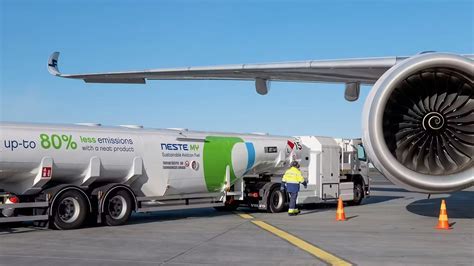
Environmental performance is no longer optional in engine design, and the Trent 7000 was engineered with sustainability as a core requirement. The engine is already certified for 50% Sustainable Aviation Fuel blends, with a clear pathway toward 100% SAF compatibility. This readiness allows airlines to integrate cleaner fuels without awaiting future engine upgrades.
Beyond fuel compatibility, the Trent 7000’s high bypass ratio and advanced combustor design reduce CO₂ emissions per seat while maintaining low nitrogen oxide output. Noise reductions further contribute to environmental compliance by minimizing community impact around airports.
At the end of its service life, the engine benefits from Rolls-Royce’s Revert recycling program, which recovers up to 98% of materials for reuse. This circular approach reduces the environmental footprint associated with raw material extraction and aligns engine lifecycle management with broader sustainability goals.
Digital Inspection and Reduced Operational Footprint
The integration of digital inspection tools has quietly transformed how the Trent 7000 is maintained. Advanced borescope technologies, combined with data-driven diagnostics, reduce the need for physical inspections and component removals. Fewer logistics movements mean lower emissions associated with maintenance activity, reinforcing sustainability gains beyond fuel efficiency alone.
These tools also shorten turnaround times, allowing aircraft to return to service more quickly after planned interventions. For airlines operating tight schedules, this reduction in downtime can be as valuable as incremental fuel savings.
The Road Ahead: UltraFan Influence and Continuous Improvement
The Trent 7000’s development does not end with its current configuration. Rolls-Royce continues to invest heavily in UltraFan research, with technologies such as advanced composites, geared architectures, and additive manufacturing influencing incremental upgrades across the Trent family.
Future enhancements are expected to focus on further extending time on wing, refining thermal coatings, and enhancing digital twins for even more accurate predictive maintenance. These improvements aim to preserve near-perfect dispatch reliability while gradually reducing fuel burn and emissions.
As the global A330ceo fleet retires, the Trent 7000’s role as the exclusive engine for the A330neo positions it as a long-term cornerstone of medium-to-long-haul operations. Its blend of mature engineering, digital intelligence, and environmental readiness ensures relevance well into the next decade.
Why the Trent 7000 Sets the Reliability Standard
The Rolls-Royce Trent 7000 succeeds not by chasing extremes, but by delivering consistency where it matters most. Its three-shaft architecture provides operational flexibility, its materials and thermal systems ensure durability, and its digital support ecosystem transforms maintenance into a predictable, strategic asset.
In an industry where reliability directly influences profitability, the Trent 7000 stands as a benchmark for what a modern widebody engine should be: efficient without fragility, advanced without volatility, and innovative without sacrificing trust.