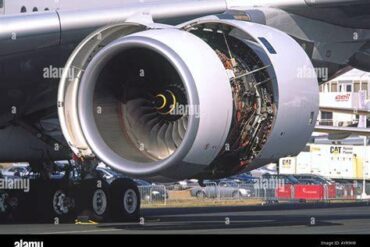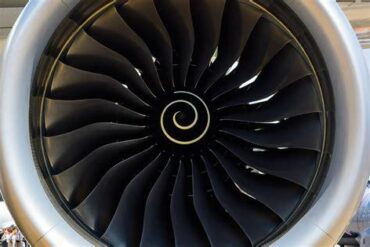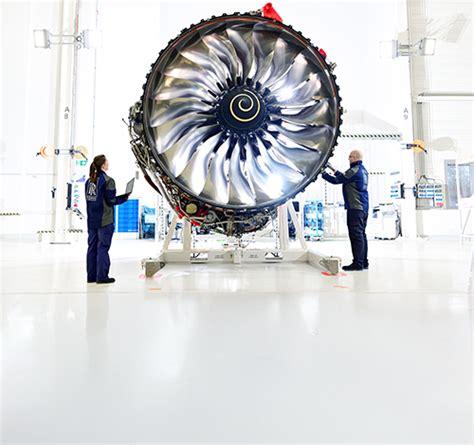
The Boeing 787 program has always been about efficiency, range, and technological ambition, but beneath the composite skin of the Dreamliner lies a quieter, harder-fought contest: the engine war. For years, reliability metrics and maintenance economics have mattered just as much as fuel burn. With the introduction of the Rolls-Royce Trent 1000XE, that contest has entered a new phase—one defined less by incremental efficiency gains and more by hard-earned durability.
Rolls-Royce’s decision to elevate the Trent 1000XE to the new-production standard is not cosmetic engineering. It is the visible outcome of a long, expensive recovery process following early Trent 1000 durability challenges that disrupted airline operations and strained confidence. Billions of pounds later, the manufacturer is no longer patching symptoms. It is re-engineering root causes, and doing so with a maturity shaped by experience across multiple widebody platforms.
At the heart of this effort is a recognition that airline priorities have shifted. Marginal differences in specific fuel consumption matter far less than predictable time on wing, fewer unscheduled removals, and stable maintenance planning. The Trent 1000XE is designed to meet those priorities head-on, signaling that Rolls-Royce intends not just to remain competitive on the 787, but to redefine expectations for long-term engine resilience.
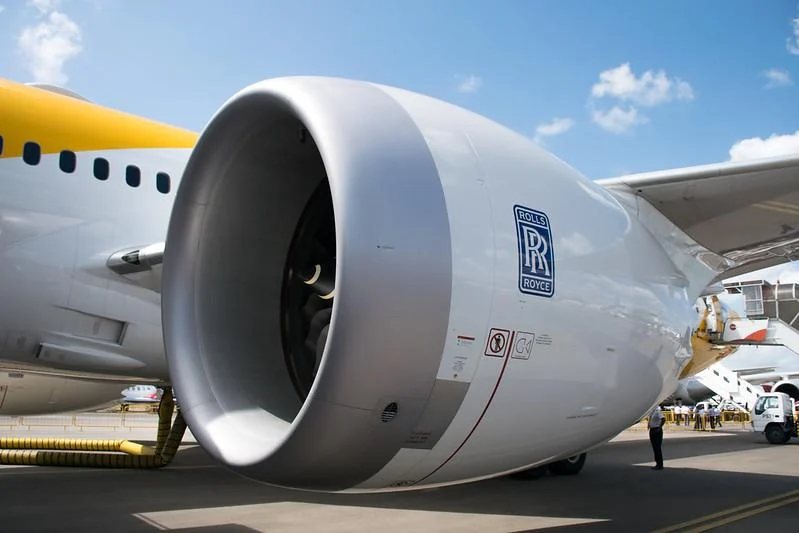
From Setback to Structural Reset in the Trent 1000 Program
The early operational history of the Trent 1000 is well documented. Issues in the high-pressure turbine and intermediate-pressure sections led to accelerated wear, premature shop visits, and, in some cases, aircraft groundings. These challenges proved costly for airlines and deeply uncomfortable for Rolls-Royce, particularly as rival GE Aerospace’s GEnx-1B established a reputation for longer on-wing intervals.
Rather than retreat, Rolls-Royce embarked on a comprehensive redesign strategy. The Trent 1000XE represents the most advanced expression of that strategy so far. It is not a single fix but a layered enhancement program targeting the engine’s most thermally stressed components. The goal is straightforward: stabilize performance across diverse operating environments, from humid equatorial routes to sand- and dust-heavy regions.
This reset is also philosophical. Instead of optimizing around ideal conditions, the XE standard is built for real-world airline operations, where utilization is high, cycles are relentless, and tolerance for disruption is minimal.
Inside the Trent 1000XE: Engineering Where It Matters Most
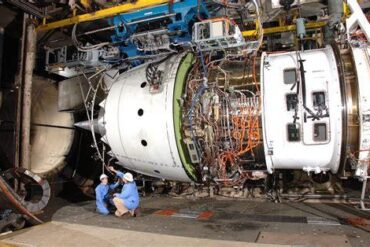
The Trent 1000XE program unfolds in two tightly defined enhancement phases, both focused on the engine’s hottest zones. Phase 1 introduced redesigned high-pressure turbine blades featuring advanced alloys and up to 40% improved internal cooling flow. These blades are already flying, certified, and delivering measurable durability gains compared to earlier hardware.
Phase 2, now entering service, addresses interfaces that historically constrained maintenance intervals. Advanced ceramic coatings on combustor tiles, refined cooling of nozzle guide vanes, and revised airflow management between major modules work together to reduce thermal stress accumulation. Individually, these changes may seem incremental. Collectively, they alter the engine’s life curve.
Rolls-Royce expects the result to be multi-year extensions in time on wing for certain operators, depending on route structure and environmental exposure. More importantly, the upgrades are fully integrated into new-build engines while remaining retrofit-capable for in-service fleets—a critical factor for global adoption.
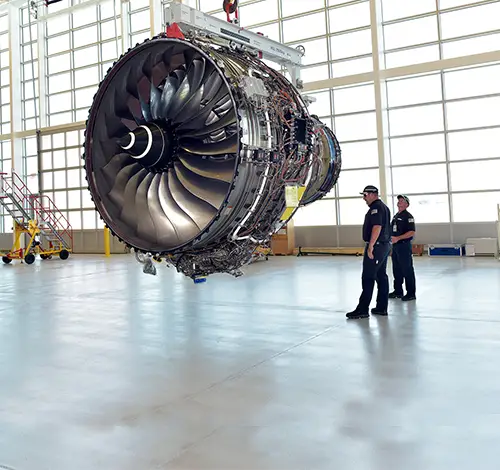
Closing the Gap in the 787 Engine War
The Boeing 787 is unusual in offering airlines a direct engine choice, making operational comparisons inevitable. For much of the program’s life, the GEnx-1B benefited from a perception of stronger dispatch reliability and longer maintenance intervals. Rolls-Royce’s XE upgrades are explicitly designed to narrow—and in some cases eliminate—that advantage.
Certification by both the FAA and EASA clears regulatory barriers, allowing airlines to plan fleet-wide transitions with confidence. For operators, this is not an abstract technical victory. A single widebody engine shop visit can cost several million dollars and sideline an aircraft for weeks. Extending intervals between those visits transforms fleet economics, reducing spare-engine requirements and increasing scheduling flexibility.
Rolls-Royce’s internal data, supported by early operational feedback, suggests that the Trent 1000XE can materially lower total cost of ownership over a typical 10–12 year operating cycle. In a market where margins are thin and utilization is rising, that claim carries real weight.
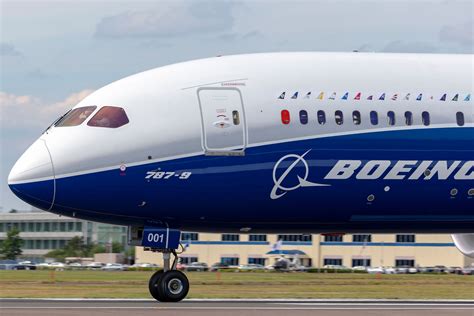
Lessons Borrowed, Risk Reduced
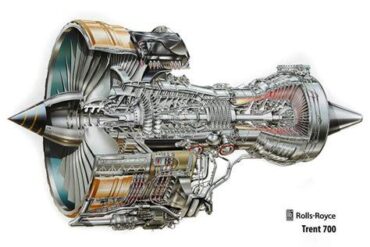
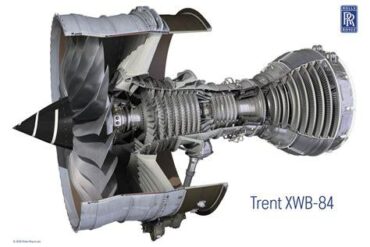
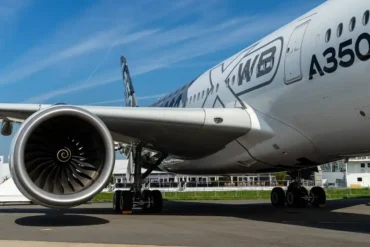
One of the most understated strengths of the Trent 1000XE lies in its lineage. Many of the technologies now embedded in the XE standard were first validated on other Rolls-Royce programs, notably the Trent 7000 for the Airbus A330neo and the Trent XWB powering the Airbus A350. In those applications, similar materials and cooling upgrades delivered double-digit percentage improvements in component life.
By transferring proven solutions rather than experimental ones, Rolls-Royce has reduced technical risk and accelerated maturity. This cross-platform engineering approach reflects a broader shift within the company: fewer bespoke fixes, more scalable solutions. For airlines, that translates into confidence that the XE standard is not an outlier but part of a coherent, evolving engine family.
Reliability as the New Competitive Currency
The timing of the Trent 1000XE rollout is not accidental. More than 1,000 Boeing 787s are now in active service, with many aircraft moving into higher-utilization, long-haul roles as global travel demand rebounds. As cycles increase and turnaround times tighten, durability margins shrink. Engines that tolerate heat, stress, and environmental variability become strategic assets.
Alongside hardware upgrades, Rolls-Royce has expanded MRO capacity, increased spare-engine availability, and reinforced its supply chain to prevent the bottlenecks that once plagued the program. These operational investments matter as much as metallurgy. An engine’s value is measured not just by how long it stays on wing, but by how smoothly it returns to service when it finally comes off.
A New Standard for the Dreamliner Era
The Trent 1000XE does not erase the past, but it decisively reshapes the future of Rolls-Royce on the Boeing 787. By prioritizing durability, predictability, and long-term economics, the company is aligning its engineering philosophy with what airlines increasingly demand. In the modern engine war, reliability is no longer a supporting metric. It is the battlefield itself.
As the XE standard becomes the norm across new production and retrofit fleets, the Dreamliner’s engine story grows more balanced, more stable, and more competitive. For Rolls-Royce, that shift represents not just recovery, but a reassertion of relevance in one of commercial aviation’s most scrutinized arenas.