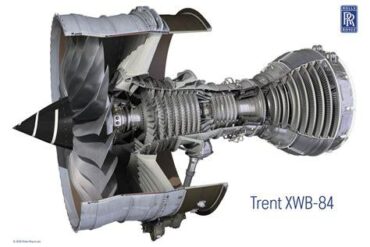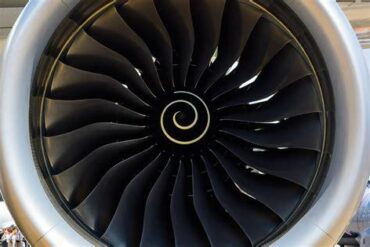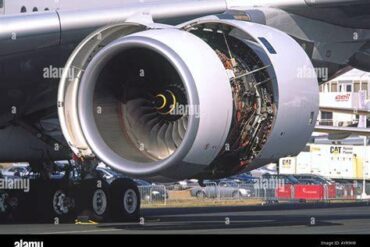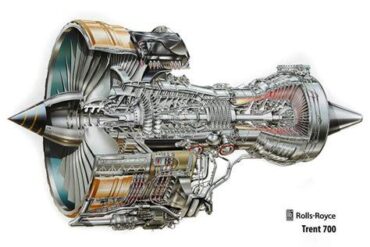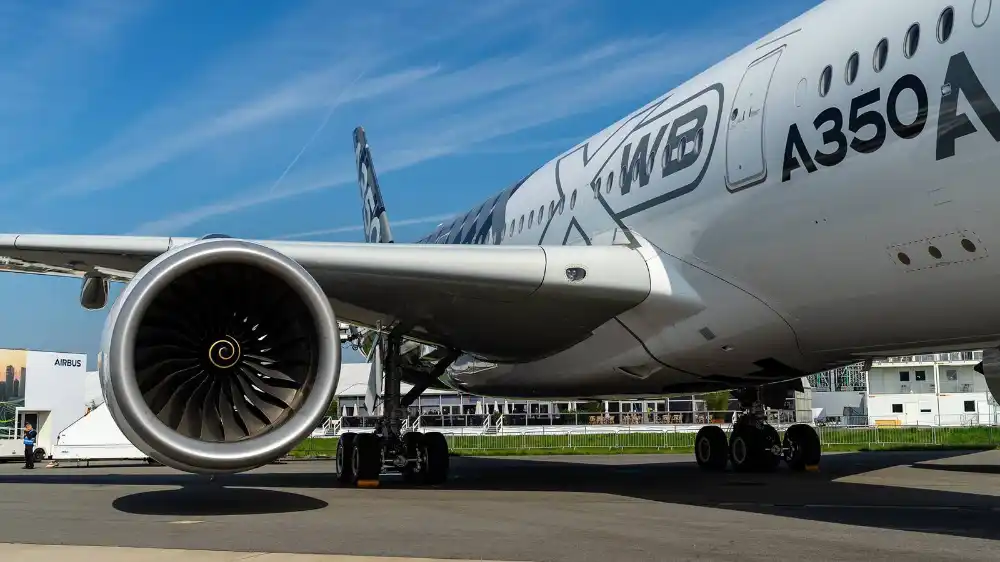
The latest Rolls-Royce Trent XWB-84 EP engine upgrade is delivering stronger-than-expected fuel efficiency gains for Airbus A350-900 operators, offering airlines an opportunity to significantly reduce operating costs while advancing their sustainability goals. After more than a year of commercial service and over 100,000 flight hours, the enhanced engine has exceeded its original performance target, prompting Rolls-Royce to raise its expected improvement in thrust-specific fuel consumption (TSFC) from 1% to 1.8%. For airlines operating large A350 fleets, those incremental gains could translate into annual savings approaching $10 million, highlighting how even modest improvements in engine efficiency can reshape airline profitability.
Long-haul carriers continue to face persistent pressure from volatile fuel prices, environmental regulations, and intense competition. Against this backdrop, fuel efficiency has become one of the industry’s most valuable competitive advantages. Rolls-Royce’s latest achievement demonstrates that continuous engineering refinement—not just all-new engine designs—can generate meaningful financial returns for airlines operating some of the world’s busiest long-range aircraft.
The Trent XWB family has already earned a reputation as one of the aviation industry’s most reliable and fuel-efficient widebody engines. The latest EP (Efficiency Package) upgrade builds upon that foundation by introducing carefully engineered aerodynamic improvements that optimize airflow throughout the engine. These refinements improve combustion efficiency while reducing fuel burn without requiring airlines to transition to an entirely new powerplant.
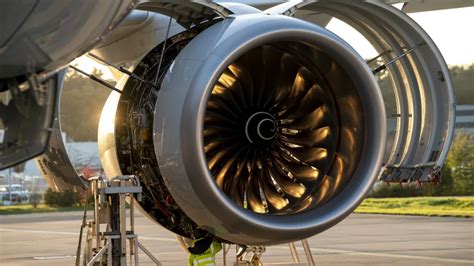
Fuel Savings That Directly Improve Airline Profitability
Fuel remains one of the largest operating expenses for every airline, particularly those operating extensive international networks. Even a fractional reduction in fuel consumption can produce substantial financial benefits when multiplied across thousands of annual flights.
According to Rolls-Royce, a 1% reduction in thrust-specific fuel consumption represents roughly $500,000 in annual fuel savings for each Airbus A350 aircraft under typical operating conditions. Airlines operating fleets of around twenty A350s could therefore reduce annual fuel expenses by approximately $9 million to $10 million, with those savings flowing almost directly to the carrier’s bottom line.
Initially, Rolls-Royce expected the Efficiency Package to deliver approximately a one-percent improvement. However, real-world operational data collected since entry into service has shown even stronger performance, encouraging engineers to raise the program’s target to 1.8%. This outcome reflects the company’s emphasis on continuous product development rather than relying solely on entirely new engine generations.
More Than 100,000 Flight Hours Validate The Upgrade
Performance claims carry far greater weight when supported by operational experience instead of laboratory testing. Since entering commercial service, the upgraded Trent XWB-84 EP has accumulated more than 100,000 flight hours, providing Rolls-Royce with extensive real-world performance data across diverse climates, flight lengths, and airline operating procedures.
Delta Air Lines, which became the launch customer for the upgraded engine, has played an important role in validating its operational benefits. The extensive service record demonstrates that the efficiency improvements are being achieved without sacrificing the high reliability standards that have made the Trent XWB one of the most trusted engines in long-haul aviation.
Rather than introducing radical hardware changes, Rolls-Royce focused on refining airflow management throughout critical engine components. The result is a more efficient engine capable of extracting additional performance while maintaining the durability demanded by global airline operations.
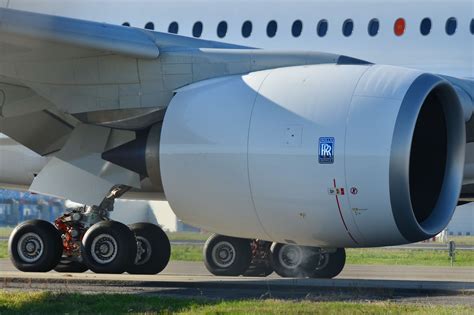
Supporting Sustainability Alongside Lower Operating Costs
Lower fuel consumption offers environmental benefits in addition to financial savings. Every percentage point reduction in fuel burn directly decreases carbon dioxide emissions, helping airlines progress toward increasingly ambitious sustainability commitments while reducing exposure to future environmental regulations.
The Trent XWB-84 EP also supports the industry’s transition toward Sustainable Aviation Fuel (SAF). The engine is currently certified to operate using fuel blends containing up to 50% SAF, while Rolls-Royce continues development toward full compatibility with 100% Sustainable Aviation Fuel as certification standards evolve.
These capabilities align with broader airline strategies focused on reducing lifecycle emissions without compromising operational flexibility or network growth.
A Strategic Investment In The Future Of The Airbus A350
The upgraded engine forms part of Rolls-Royce’s broader £1 billion ($1.33 billion) modernization program for its Trent engine family. Certified by the European Union Aviation Safety Agency (EASA) in December 2024, the Trent XWB-84 EP entered airline service in 2025 and has since become an important enhancement for current and future Airbus A350 operators.
Major international airlines, including Singapore Airlines and Delta Air Lines, continue to rely on the Trent XWB to power medium-haul, long-haul, and ultra-long-haul routes. The Airbus A350 itself remains one of the most efficient widebody aircraft available in the 300- to 410-seat market segment, making ongoing engine improvements particularly valuable over decades of fleet operation.
Incremental Engineering Delivering Major Airline Benefits
The Trent XWB-84 EP illustrates how continuous engineering improvements can generate outsized commercial value. Rather than waiting for an entirely new engine platform, Rolls-Royce has demonstrated that targeted aerodynamic refinements and extensive testing can produce measurable gains in fuel efficiency, lower emissions, and reduced operating costs.
As airlines continue balancing profitability with environmental responsibility, upgrades like the Trent XWB-84 EP provide immediate financial advantages while supporting long-term sustainability objectives. With fuel efficiency improvements now approaching 1.8%, the enhanced engine reinforces the Airbus A350’s position among the world’s most economical long-range aircraft and gives operators another powerful tool for improving network resilience in an increasingly competitive aviation market.