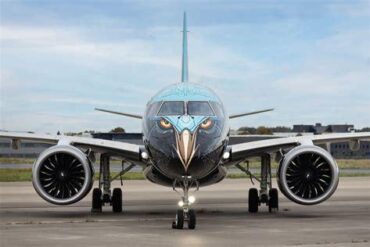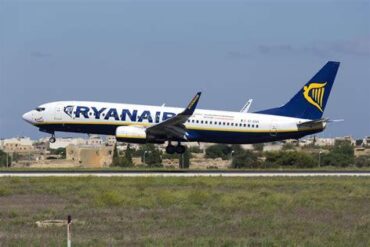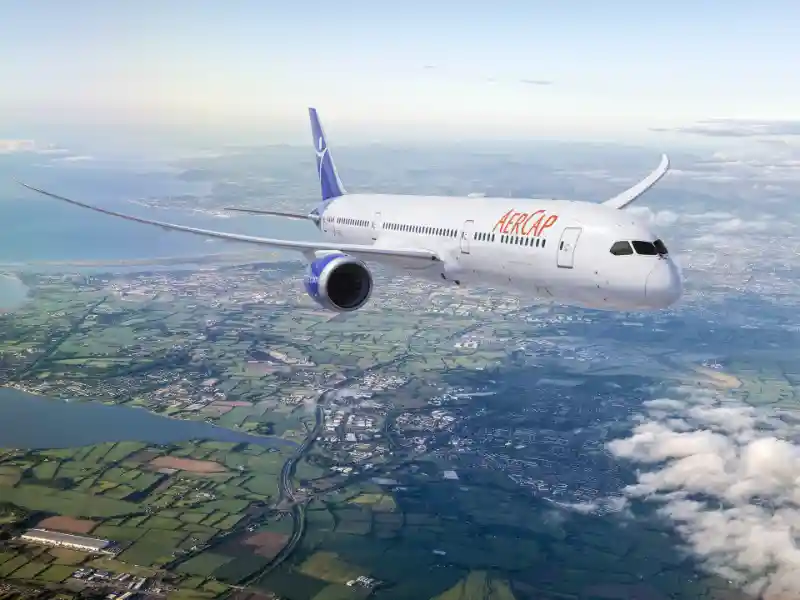
The aircraft flying above the world’s busiest international routes often have something in common that passengers never notice: the airline operating the aircraft may not own it. Behind the logos of major carriers sits a vast financial industry that buys, finances, leases, trades, and manages commercial aircraft worth tens of billions of dollars.
Leasing has become one of the defining forces in modern aviation. Instead of spending hundreds of millions of dollars purchasing every aircraft outright, airlines can lease aircraft for years, preserve capital, and adjust fleet size as demand changes. For lessors, meanwhile, an aircraft becomes a long-lived financial asset that can generate revenue through multiple operators over its useful life.
That business model is particularly important for widebody aircraft, where individual assets can represent enormous capital commitments. Airbus A330s, A350s and Boeing 787s can serve airlines for decades, but their economics depend heavily on financing, residual values, lease rates, maintenance condition and the availability of replacement operators. Four companies stand out as especially important players in this global ecosystem: AerCap, SMBC Aviation Capital, Avolon and BOC Aviation.
Why Aircraft Leasing Has Become So Powerful
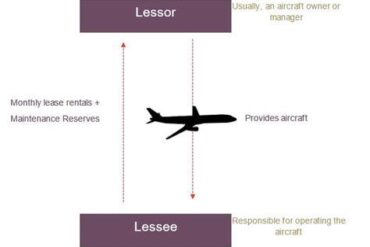
The basic concept is straightforward. Under a typical dry lease, a leasing company owns the aircraft and provides it to an airline for an agreed period. The airline supplies the pilots, cabin crew, maintenance, insurance and operational infrastructure. The lessor receives monthly payments while retaining ownership of the aircraft.
For an airline, this can dramatically reduce the capital required to expand. A new-generation widebody aircraft can cost well into nine figures at list price, even though actual transaction prices vary substantially. Leasing allows an airline to transform that enormous upfront investment into a stream of contractual payments.
The lessor takes on a different set of risks. It must judge whether an aircraft will remain desirable years into the future, whether its value will hold up, whether another airline will want it when the current lease ends and whether financing costs will allow the asset to produce an acceptable return.
That is why scale matters so much. A company with hundreds or thousands of aircraft can spread commercial, geographic and asset-type risk across a huge portfolio. It can also negotiate directly with Airbus and Boeing, access international debt markets and move aircraft between airlines when market conditions change.
The industry is not limited to widebodies. In fact, all four companies discussed here have portfolios dominated by narrowbody aircraft, particularly Airbus A320-family jets and Boeing 737s. Their importance to the widebody market comes from their ability to finance and place long-haul aircraft alongside much larger overall portfolios.
1. AerCap: The Undisputed Leasing Giant
At the top of the industry sits AerCap, headquartered in Dublin. Its scale is difficult to match. As of June 30, 2026, AerCap owned 1,461 aircraft, managed another 128 and had commitments for 379 new aircraft. Across aircraft, engines and helicopters that were owned, managed or on order, its portfolio reached 3,567 assets.
That number becomes even more significant when we look at the company’s history. AerCap’s modern dominance was dramatically accelerated by its acquisition of GE Capital Aviation Services (GECAS) in 2021. The transaction combined two enormous aircraft portfolios and created a lessor operating on a scale that fundamentally changed the competitive landscape.
AerCap is especially influential in the new-generation market. Its passenger aircraft portfolio includes major families such as the Airbus A320neo, A330neo and A350, along with Boeing’s 737 MAX and 787 Dreamliner. The company is also the world’s largest lessor of the A320neo family and Boeing 787 family, giving it considerable exposure to aircraft that will form the backbone of global airline fleets for decades.
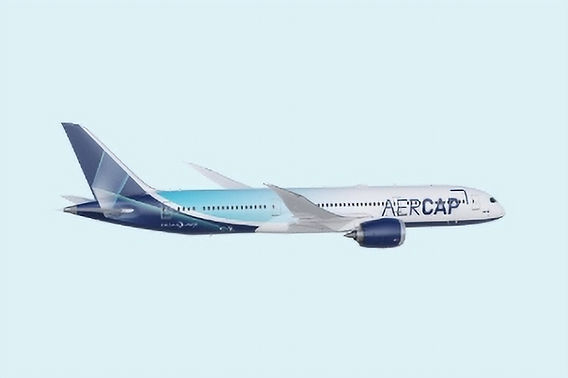
AerCap’s position is not simply about owning a large number of airplanes. Its real advantage is portfolio depth. When a lessor has aircraft across multiple generations, manufacturers, airline markets and geographic regions, it can respond to changing demand more effectively. A 787 leaving one carrier can potentially be placed with another operator, while an older aircraft can be sold, parted out or moved into another segment of the market.
As of June 2026, AerCap’s owned passenger fleet averaged 7.4 years, while new-technology aircraft averaged only 5.5 years. Its contracted lease term averaged 7.2 years. Those figures demonstrate how much of the company’s business is built around relatively young aircraft with substantial economic lives remaining.
AerCap’s financial scale is equally striking. Its total assets were approximately $71.18 billion at the end of June 2026. For airlines looking for capacity, that financial strength translates into an enormous pool of aircraft. For manufacturers, it makes AerCap one of the industry’s most consequential institutional customers.
2. SMBC Aviation Capital: A New Giant Emerges
For years, SMBC Aviation Capital was already one of the world’s largest aircraft lessors. In 2026, however, its position changed dramatically.
The company, headquartered in Dublin and backed by Japan’s Sumitomo Mitsui Financial Group and Sumitomo Corporation, completed the acquisition of Air Lease Corporation’s leasing business in April 2026 through the newly established Sumisho Air Lease structure. The transaction transferred Air Lease’s orderbook to SMBC Aviation Capital and pushed the wider platform beyond 1,700 owned, serviced and committed aircraft serving more than 170 airline customers.
This was far more than a conventional acquisition. It represented a major consolidation of aviation finance capital, combining SMBC’s operating-leasing infrastructure with the former Air Lease portfolio and the financial resources of Sumitomo, Apollo and Brookfield.
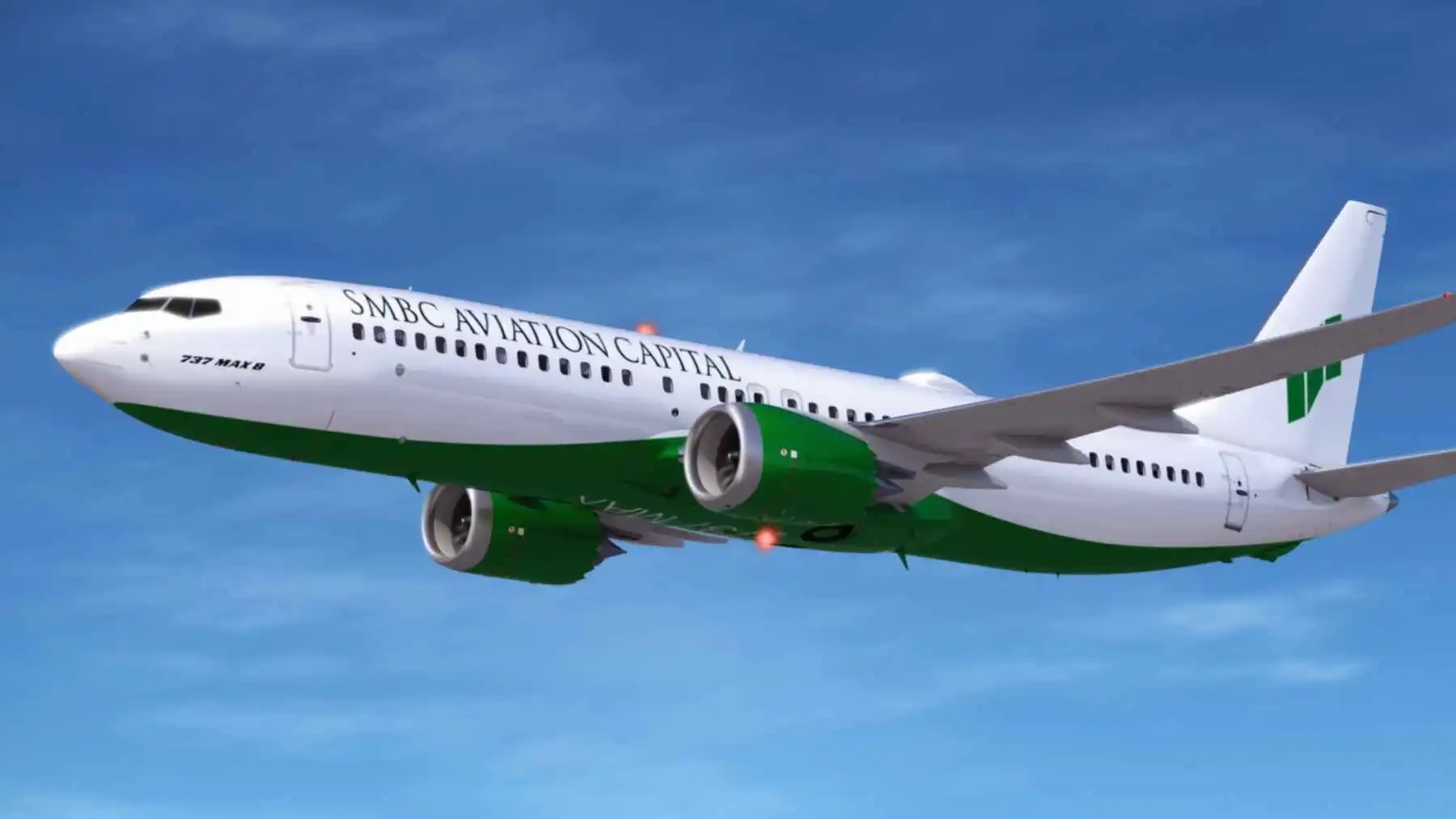
SMBC’s competitive advantage has always been closely connected to its financial parentage. Access to Japanese banking relationships and large pools of institutional capital allows the lessor to finance substantial aircraft portfolios while maintaining investment-grade credit characteristics.
The company reported that new-technology aircraft represented 80% of its owned fleet at the end of its fiscal year ending March 31, 2026. Its combined platform now includes a 430-aircraft new-technology orderbook valued at approximately $26 billion, with 90% forward-placed through the first quarter of 2028.
That forward placement is important. It means much of the future aircraft pipeline already has customers lined up, reducing exposure to the risk of taking delivery of expensive aircraft without an immediate leasing opportunity.
SMBC’s portfolio is still heavily weighted toward narrowbodies, but its growing scale gives it significant influence over widebody financing as well. Its ability to combine aircraft ownership, servicing, trading and institutional capital makes it less a traditional lessor and more a global aviation finance platform.
3. Avolon: The Fast-Growing Challenger
Avolon is the youngest company among these four, having been founded in 2010. Yet its growth has been extraordinary. By the first quarter of 2026, its owned, managed and committed fleet had reached 1,131 aircraft, while its airline customer base covered 139 airlines across 61 countries.
Avolon’s strategy is particularly focused on new-generation aircraft. During Q1 2026, the company acquired 14 aircraft, sold 19, completed 60 lease agreements, extensions and amendments, and placed 17 new-technology aircraft from existing commitments. By the end of the quarter, 85% of its orderbook through the end of 2028 had already been placed.
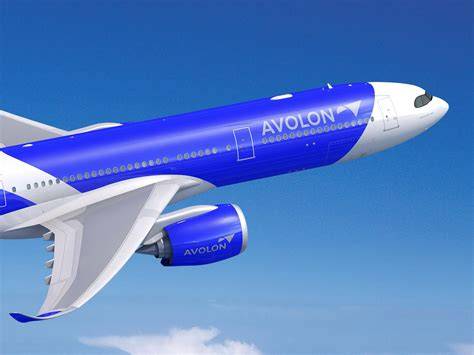
That approach reflects a central reality of modern aircraft leasing: airlines increasingly want fuel-efficient aircraft, and lessors want assets that remain attractive to operators for many years.
Avolon’s widebody portfolio is smaller than its overall fleet, with aircraft such as the Airbus A330 and Boeing 787 forming part of its long-haul exposure. Nevertheless, the company’s significance comes from its broader ability to finance aircraft at scale and place them across a global customer network.
Its balance sheet is also expanding alongside its fleet. Avolon secured $2.1 billion in new unsecured debt financing during Q1 2026, including $1.5 billion of senior unsecured notes and a $420 million equivalent Samurai loan facility.
The company therefore represents something slightly different from AerCap: rather than inheriting decades of accumulated scale, Avolon has built a major aviation-finance platform remarkably quickly. Its younger fleet and emphasis on new technology position it well for a market where aircraft efficiency and availability remain major concerns.
4. BOC Aviation: Asia’s Financial Powerhouse
The fourth name is BOC Aviation, headquartered in Singapore and majority-owned by Bank of China Group Investment. Its geographical position gives it a particularly strong connection to the Asia-Pacific aviation market, one of the most important long-term growth regions for commercial aviation.
As of March 31, 2026, BOC Aviation had 461 owned aircraft and 13 managed aircraft, with a total portfolio of 813 aircraft and engines owned, managed or on order. It served 88 airlines across 46 countries and regions.
Its owned fleet had an average age of only 5.1 years, with an average remaining lease term of 7.7 years. Even more revealing, owned aircraft utilization remained at 100%, meaning the aircraft were generating lease revenue rather than sitting idle.
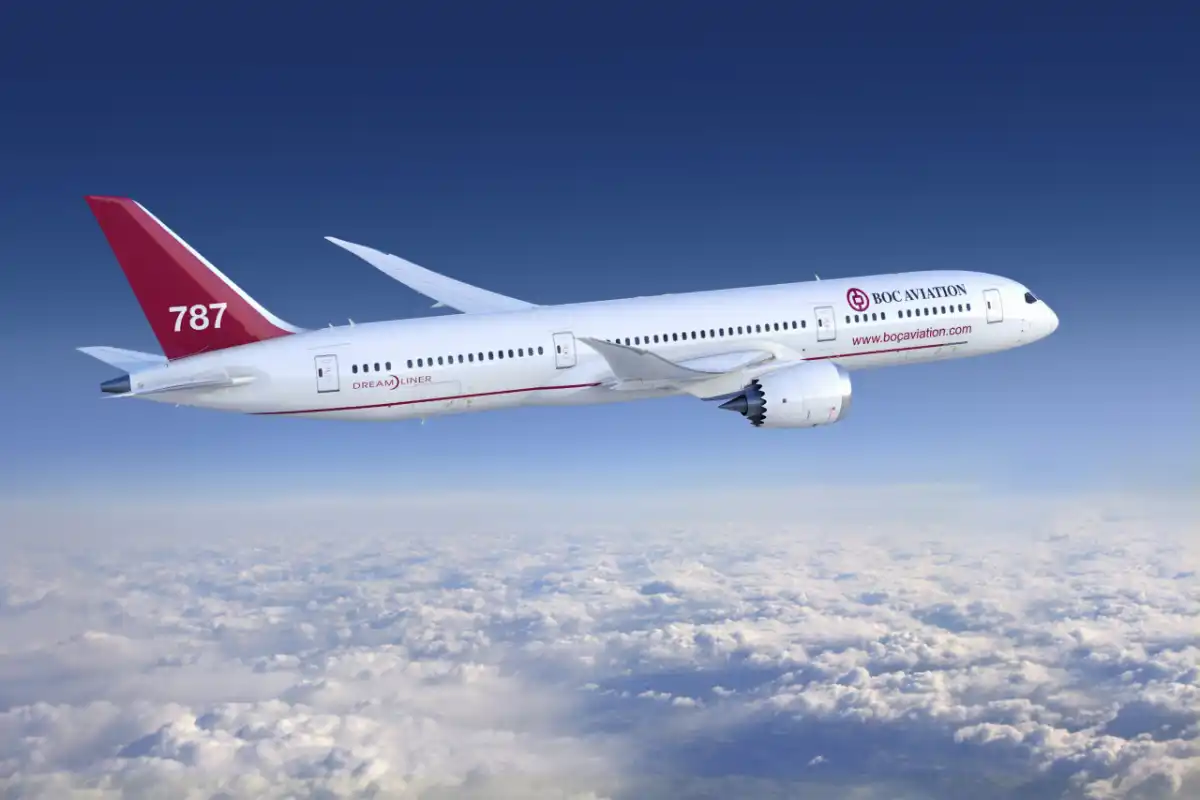
BOC Aviation’s portfolio is dominated by narrowbodies such as the A320neo family and Boeing 737 MAX, but it also owns widebody aircraft including Airbus A330s, A350s and Boeing 787s. Its role in widebody leasing is therefore part of a much broader fleet strategy.
The company’s strongest differentiator is its access to Chinese and Asian financial networks. During Q1 2026, BOC Aviation raised $2.5 billion in debt financing, including a $500 million seven-year bond and $2 billion in loan facilities involving 19 banks.
That capital access matters because aircraft leasing is fundamentally a financing business. The aircraft itself is only one component. The cost of borrowing money to acquire it can determine whether a lease produces an attractive return.
The Bigger Story Behind the Four Lessors
The most interesting feature of these companies is that none needs to be the airline passengers recognize at the airport. Their influence operates behind the scenes.
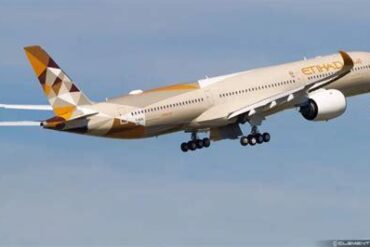
A passenger may fly on a Boeing 787 wearing the colors of a major Asian carrier, an Airbus A350 operated by a European airline or an A330 serving a long-haul route from the Middle East. The aircraft may belong to an entirely different company.
This separation between operator and owner has become one of commercial aviation’s defining characteristics. It gives airlines flexibility while creating enormous institutional demand for aircraft.
The four companies also demonstrate why Dublin has become the center of global aircraft leasing. AerCap, SMBC Aviation Capital and Avolon are all headquartered there, benefiting from Ireland’s deep aviation-finance ecosystem, specialist workforce, legal infrastructure and long history with aircraft leasing.
Yet Singapore-based BOC Aviation shows that the industry is no longer exclusively an Irish story. Asian capital has become increasingly important, particularly as airlines in China, Southeast Asia and the wider Asia-Pacific region expand fleets.
Why Widebody Leasing Will Remain Important
Widebody aircraft face a unique set of economic pressures. They are expensive, maintenance-intensive assets, but they can generate substantial revenue when deployed on the right long-haul routes. Airlines therefore have strong incentives to acquire efficient aircraft while avoiding unnecessary exposure to ownership risk.
That creates an opportunity for lessors with strong balance sheets and global customer networks.
When an airline needs a Boeing 787 but does not want to commit hundreds of millions of dollars to ownership, a lessor can provide the aircraft. When another airline needs additional A350 capacity because deliveries are delayed, the lessor can potentially redirect another asset. When market conditions change, the aircraft can be sold or re-leased.
This flexibility explains why the biggest leasing companies have become so important to the industry’s fleet pipeline.
The Quiet Power Behind the Global Fleet
AerCap, SMBC Aviation Capital, Avolon and BOC Aviation do not have the visibility of Airbus, Boeing or the world’s major airlines. Their names rarely appear on boarding passes, aircraft tails or airport departure screens.
But their financial decisions influence which aircraft airlines can obtain, how quickly fleets can grow and where thousands of commercial aircraft ultimately operate.
AerCap remains the clear heavyweight, while SMBC Aviation Capital’s 2026 transformation has created a formidable rival at enormous scale. Avolon continues to demonstrate how quickly a focused lessor can grow, while BOC Aviation brings the financial strength and geographic reach of one of Asia’s largest banking groups.
The result is an aviation industry in which ownership has become increasingly invisible to passengers but increasingly important to airlines. Behind the world’s widebody fleet sits a sophisticated network of capital, aircraft orders, lease contracts and asset management.
The aircraft may carry an airline’s name on its fuselage. But increasingly, the balance sheet behind the airplane belongs to someone else.