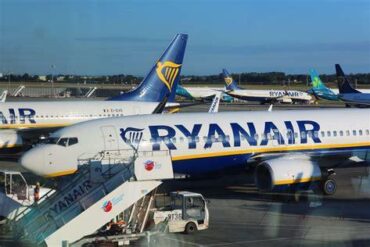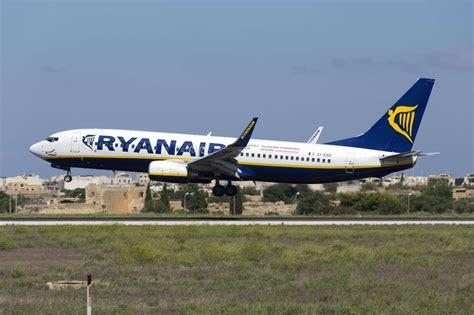
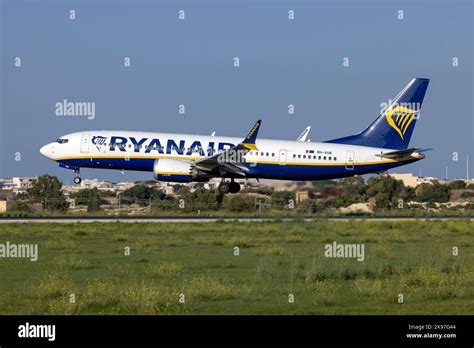
Ryanair has firmly ruled out abandoning the Malta Air brand, following its recent acquisition of the Maltese government’s golden share in the airline. The low-cost aviation giant exercised its contractual right to buy the share for a fixed €25,000 in June 2024, marking a significant milestone in the evolving relationship between Ryanair and the Maltese aviation sector. Despite speculation over the implications of the buyout, Ryanair has reiterated its long-term commitment to expanding Malta Air’s operations, aligning with the promises made during its launch in 2019.
The golden share, retained by the government for a five-year period, was originally designed to offer Malta a modicum of control over strategic decisions involving the Malta Air brand. Although it granted no operational authority, it included veto powers over brand-related decisions and any sale of the airline. The clause permitting Ryanair to purchase the share for a predetermined fee was embedded in the original contract, brokered under the direction of then-tourism minister Konrad Mizzi.
Strategic Acquisition: A Quiet but Impactful Shift in Control
The golden share’s quiet expiration, and the subsequent buyout, came without any formal public disclosure. It was only through press reporting that the details emerged, raising eyebrows in political and aviation circles. According to insiders, the Maltese government had initially considered mounting a legal challenge to Ryanair’s decision to trigger the buyout clause. However, legal consultations reportedly confirmed that the government was contractually bound to honor the agreement, leaving no viable alternative.
While the symbolic nature of the golden share offered little in terms of actual control, its removal cements Ryanair’s full autonomy over Malta Air. A company spokesperson, addressing the development, emphasized that the acquisition changes nothing about Ryanair’s original plans. “We remain committed to developing Malta Air as a key operational base in Southern Europe. The brand is here to stay, and we look forward to continued growth in the region,” the spokesperson stated.
A Look Back: Malta Air’s Formation and Early Promises
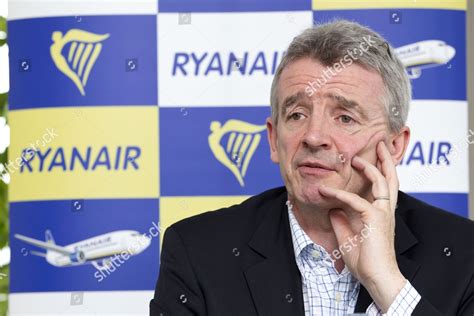
When Ryanair launched Malta Air in 2019, it was seen as a strategic maneuver to establish a stronger foothold within the European Union’s internal aviation market. At the time, Michael O’Leary, Ryanair’s CEO, pledged to expand the airline’s Malta-based fleet from six aircraft to ten, reflecting Ryanair’s ambition to position Malta as a Mediterranean hub.
O’Leary described Malta Air as a robust alternative to the then-ailing Air Malta, offering a more commercially viable path to growing aviation in the region. Malta Air was also designed to benefit from Malta’s favorable regulatory and taxation environment, while contributing to local employment and tourism growth.
No Rebranding Plans: Malta Air’s Identity Secured
Speculation that Ryanair might fold Malta Air into its core brand—especially after gaining full control—has been dismissed. Ryanair’s strategy of operating regional subsidiaries across Europe, including Lauda in Austria, Buzz in Poland, and Malta Air, has proven effective in aligning with local regulations and optimizing operational costs. This multi-brand architecture helps the airline navigate complex national and EU-level aviation frameworks.
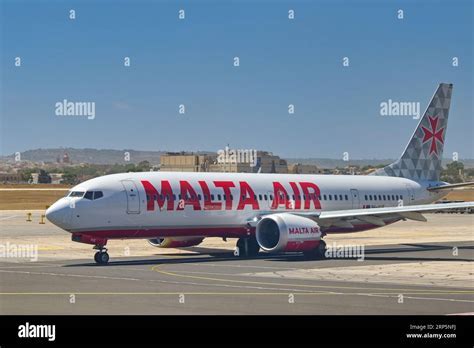
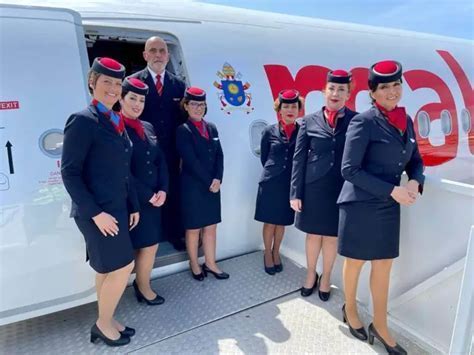
The Malta Air brand, in particular, has developed a distinct identity, with aircraft bearing Maltese registration and livery, and crew members based locally. Scrapping the brand would not only undermine Ryanair’s original narrative about supporting Maltese aviation but could also create political and regulatory friction. Instead, maintaining the Malta Air identity allows Ryanair to continue enjoying the commercial and symbolic advantages of a Malta-based operation.
Fleet Expansion Still on Track
Ryanair’s commitment to fleet growth in Malta remains intact. The airline had initially stationed six aircraft on the island, with intentions to scale up to ten. Although the COVID-19 pandemic disrupted timelines and strategic investments, operations have largely rebounded. Current indications suggest that fleet expansion is resuming, with Ryanair leveraging Malta Air’s base to support new and existing routes across Europe and North Africa.
According to Ryanair insiders, several new aircraft are slated for delivery in the coming year, some of which will be assigned directly to Malta Air. These additions are expected to fuel new route launches and increase frequency on high-demand services. The carrier’s ability to flexibly allocate aircraft across its pan-European subsidiaries gives it a competitive edge in capacity deployment.
Economic and Political Dimensions of the Golden Share
The original inclusion of the golden share was politically significant. Then-minister Konrad Mizzi, who negotiated the terms, described the five-year oversight clause as a safeguard to ensure that Ryanair adhered to its development promises. While critics argue that the government should have been more transparent about the expiry conditions, supporters maintain that the deal delivered tangible benefits to Malta’s aviation industry.
By 2024, Malta Air had helped increase passenger throughput at Malta International Airport and expanded connectivity to secondary European cities. The airline also contributed to job creation through its recruitment of pilots, cabin crew, and ground staff. Nevertheless, the lack of public communication around the expiry and sale of the golden share has raised transparency concerns.
Mizzi, speaking to Times of Malta, confirmed that the expiry was planned from the outset. “The government was never intended to retain permanent influence over the airline. The golden share was a transitional tool,” he said. Still, the opacity surrounding the buyout’s timing has sparked fresh debates about state accountability in strategic sectors.
Malta Air’s Role in Ryanair’s Broader Strategy
Malta Air continues to be a critical component in Ryanair’s decentralized operating model. Each subsidiary plays a strategic role in managing regulatory exposure, tax efficiency, labor negotiations, and aircraft registration requirements. The Malta Air brand, supported by its Maltese Air Operator Certificate (AOC), allows Ryanair to diversify regulatory risk and optimize fleet management.
Moreover, Malta’s strategic geographic position offers significant advantages. It serves as a natural bridge between Europe and North Africa, providing access to underserved regional markets. This geographic leverage, combined with a skilled workforce and favorable political environment, ensures that Malta Air will remain an essential pillar in Ryanair’s future growth.
Conclusion: Brand Security and Long-Term Commitment
The acquisition of the Maltese government’s golden share by Ryanair signals the end of a transitional oversight period—but not the end of Malta Air. On the contrary, Ryanair appears resolute in its intention to preserve and expand the brand. Its decision to retain the Malta Air identity underscores the operational and symbolic value Ryanair places on this subsidiary.
As Malta Air moves into a new phase under complete Ryanair control, the focus now shifts to how effectively the airline can execute its promised fleet expansions and network development. While the secrecy surrounding the golden share deal has drawn criticism, it has not deterred the company from pressing ahead with its strategic goals.
For Malta, the continued presence of a Ryanair-operated national brand offers both opportunities and challenges. While the island nation no longer holds a stake—symbolic or otherwise—in Malta Air, the airline’s growth trajectory suggests it will remain a vital part of Malta’s aviation ecosystem for the foreseeable future.