Air Malta: National Carrier with Divided Opinions
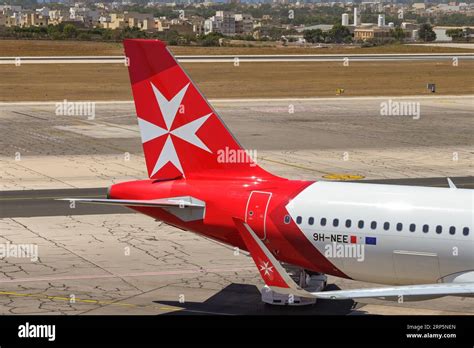
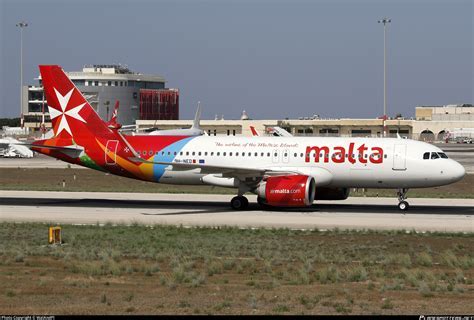
Air Malta, the flag carrier of the Maltese Islands, has long positioned itself as an ambassador of Maltese hospitality, serving over 35 destinations across Europe, the Middle East, and North Africa from its hub at Malta International Airport (MLA). With a compact fleet of Airbus A320s and a dual-cabin configuration (Economy and Business Class), the airline is structured to serve both tourism and business travel demands. But behind its patriotic branding and Mediterranean charm lies a deeply polarizing passenger experience, as evidenced by over 3,000 reviews on Tripadvisor.
Fleet, Routes, and Cabin Experience
Air Malta currently operates 10 Airbus A320-family aircraft, most of which are configured in an all-Economy layout, though select routes still offer a modest Business Class cabin. The airline serves popular European cities such as London, Paris, Rome, and Frankfurt, as well as regional hubs like Catania, Tunis, and Zurich. The network is focused primarily on point-to-point leisure routes, and flight times rarely exceed three to four hours.
While the fleet is relatively modern and maintained to acceptable European standards, the onboard product reveals a sharp divide. Passengers on short-haul flights, especially those under 60 minutes like Malta to Catania, report minimal service—no complimentary food or beverages, and little room for in-flight entertainment or personalized attention. Yet others flying longer routes receive hot meals and occasional amenities, depending heavily on the route and aircraft assignment.
Business Class: A Disappointing Contrast
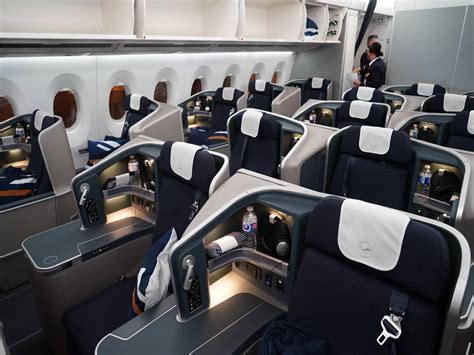
Despite promoting itself as a full-service airline, Air Malta’s Business Class fails to meet traditional premium expectations. Multiple reviewers cite poor enforcement of cabin policies, such as one business traveler being forced to check a carry-on bag despite having overhead space available, while Economy passengers boarded with multiple bags unchallenged. This uneven treatment underlines a lack of internal service cohesion.
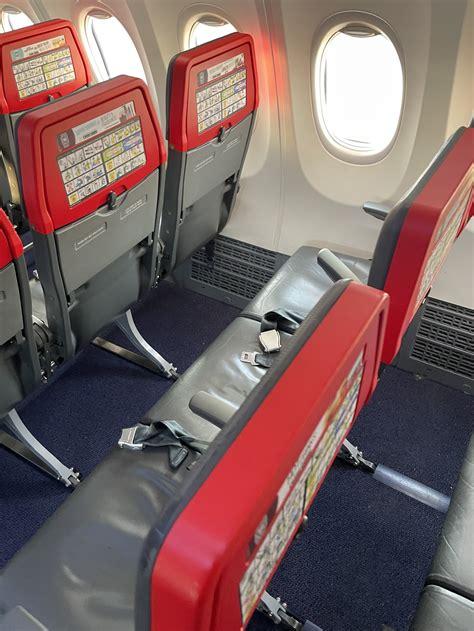
The Business Class seating itself is generally identical to Economy, with the middle seat blocked off—a common model in Europe. However, the added cost rarely yields meaningful extras, particularly in terms of priority boarding, lounge access, or enhanced inflight catering.
Customer Service: A Serious Pain Point
Perhaps the most consistent and damaging theme in passenger reviews is poor customer service. Multiple accounts detail interactions with rude or dismissive flight attendants, lack of empathy toward passengers with disabilities, and deficient conflict resolution when problems arise. One alarming incident involved a disabled passenger being seated at an emergency exit row without any reassessment, prompting questions about regulatory compliance and crew training.
In another reported case, spilled wine due to a broken tray table led to soaked clothing. Instead of offering a resolution or even an apology, the cabin crew withheld a replacement drink and allegedly removed their name tags when the passenger attempted to file a complaint. These incidents paint a troubling picture of customer neglect and evasiveness.
Punctuality and Ground Handling
Timeliness is a mixed bag. While some travelers praise swift boarding at Malta International Airport, especially on short regional hops, others cite instances of last-minute cancellations with no warning or compensation. A now-infamous case in Manchester, 2008 involved a full flight being canceled without notice, leaving passengers stranded at an empty terminal in the middle of the night—an event that remains emblematic of the airline’s long-standing communication failures.
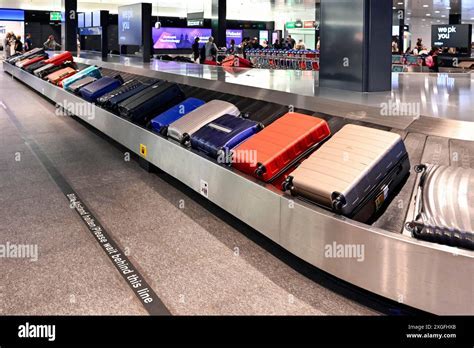
On a more positive note, baggage handling at MLA appears relatively efficient, with some passengers reporting quick retrieval of checked luggage, especially on intra-Mediterranean routes. However, consistency is lacking across the broader network.
Pricing Strategy and Value for Money
Air Malta walks a tightrope between being a budget-friendly airline and a traditional carrier. Tickets on some routes, such as Valletta to Catania, have been available for as low as €30 per person, an undeniably attractive fare for budget-conscious travelers. However, passengers paying these lower rates must bring their own food, as service is minimal or nonexistent on shorter legs.
In contrast, longer haul tickets to London or Zurich can cost significantly more, often without commensurate upgrades in service quality. As such, the value-for-money proposition becomes skewed: price-sensitive passengers may find good deals if they manage expectations, but those seeking comfort or premium treatment often leave feeling overcharged and underserved.
In-Flight Entertainment and Connectivity
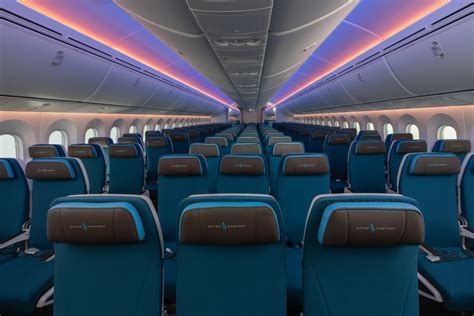
In terms of digital offerings, Air Malta ranks low among European carriers. There is no WiFi or streaming service available, and in-seat entertainment is non-existent on most aircraft. Passengers are advised to bring books, devices, or downloaded media if they wish to be entertained. This puts Air Malta at a disadvantage, especially when competing with airlines offering even basic digital content through their apps or built-in screens.
Food and Beverage Quality
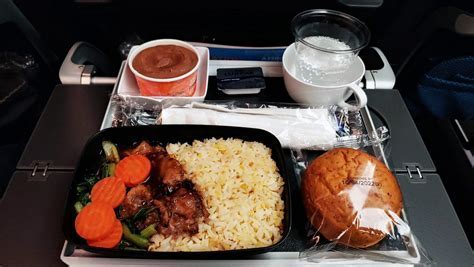
When food is provided, it usually consists of pre-packaged meals, including staples like chicken curry, pasta dishes, and basic sandwiches. While the flavors are acceptable for airline fare, the presentation and temperature often vary. The inconsistency continues with beverage offerings, as some passengers report being denied simple requests for water refills, while others received a complimentary wine or soft drink without issue.
Cleanliness and Cabin Maintenance
Cleanliness ratings hover in the “average to poor” range. Reviewers often mention dirty tray tables, stained seat cushions, and non-functioning lavatories, particularly toward the end of longer flights. In one severe case, a broken tray table directly contributed to a spillage incident, causing passenger distress and highlighting maintenance oversight.
Check-In, Boarding, and Airport Facilities
Online check-in is available and generally reliable. However, the airport experience depends heavily on the departure location. At Malta International Airport, Air Malta enjoys dedicated check-in counters and relatively smooth procedures. Elsewhere, like Heathrow or Zurich, delays in boarding or ground staff confusion occasionally mar the process.
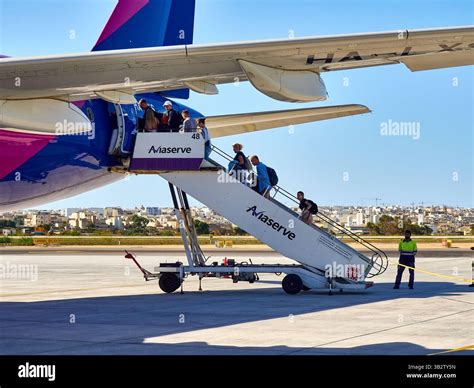
Boarding is usually conducted via bus transfers or jet bridges, depending on airport infrastructure. Gate agents follow standard EU procedures, though priority boarding is inconsistently enforced.
Final Verdict: A Carrier Struggling to Align Identity with Performance
Air Malta’s dual identity—as both a national flag carrier and a semi-budget airline—remains its biggest weakness. Its history, cultural value, and convenient Mediterranean location give it potential. However, inconsistent service, unreliable customer support, and uneven value delivery hold it back from reaching the standard of other European mid-tier carriers like Aegean Airlines or TAP Air Portugal.
Travelers considering Air Malta should calibrate expectations. For short, direct routes at discounted prices, it can be a functional and affordable option. But those seeking reliable premium service, responsive staff, or a consistently high-quality onboard experience may find themselves disappointed.
Air Malta may indeed fly the Maltese flag proudly, but unless it addresses its customer care weaknesses, service inconsistencies, and infrastructure challenges, it will remain a middling player in an increasingly competitive regional market.