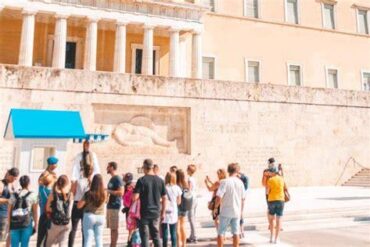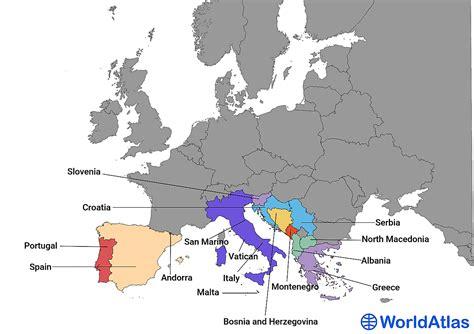
Tourism in Greece is experiencing an unprecedented surge, surpassing the likes of Slovenia, Malta, Croatia, Montenegro, and North Macedonia in what can only be described as a remarkable revitalization of Southern European travel. In stark contrast, Spain, Italy, and Portugal are grappling with anti-tourism protests, signaling a potential shift in the dynamics of travel across the region. As Greece steps into the limelight, questions arise regarding the sustainability of this growth and the looming threat of overtourism.
Greece’s Phenomenal Growth: A New Era of Tourism
The year 2024 marked a monumental turning point for Greek tourism, with over 40 million arrivals generating a staggering €21.7 billion (approximately $25.09 billion) in direct revenue. This remarkable performance underscores tourism’s pivotal role in Greece’s economic recovery, contributing 13% to the nation’s GDP. As the world emerges from the pandemic’s grip, Greece has not merely rebounded; it has transformed into one of the most sought-after destinations globally.
With a 5.4% increase in arrivals compared to the previous year, tourists from diverse corners of the globe flocked to Greece’s stunning isles, vibrant cities, and picturesque coastal towns. The allure of destinations such as Athens, Mykonos, Thessaloniki, and Crete has captivated millions, resulting in increased spending and repeat visits.
Celebrity Culture and Cultural Richness Fuel Demand
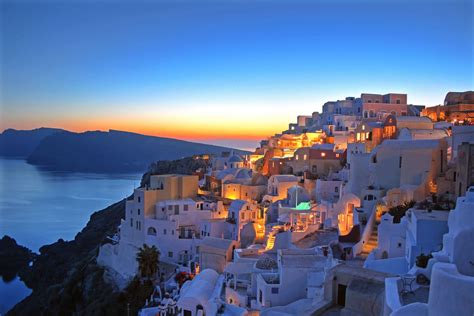
What sets Greece apart is not just its scenic beauty but also its cultural richness. The country has become a playground for celebrities, influencers, and high-net-worth travelers, who showcase its iconic locations across global platforms. The enchanting sunsets of Santorini, the luxurious beach clubs of Mykonos, and the Venetian charm of Corfu have become staples on social media, reinforcing Greece’s status as not just a travel destination but a brand.
Moreover, visitors are drawn to Greece for its unique blend of history, culture, gastronomy, and affordability. The ancient ruins standing alongside sun-kissed beaches create an unmatched experience that few other destinations can rival, making Greece a top choice for discerning travelers.
Overtourism: A Double-Edged Sword
However, with this surge in popularity comes significant challenges, particularly concerning overtourism. Areas like Santorini and Mykonos are feeling the strain, as infrastructure struggles to keep pace with the influx of visitors. Local residents face housing shortages and water stress, leading to congestion during peak seasons. This alarming trend highlights the urgent need for sustainable tourism practices that can mitigate the adverse effects of mass tourism.
Recognizing these challenges, Greek authorities are taking proactive measures. Plans are already in motion to introduce travel caps, promote lesser-known regions, and encourage year-round visitation, thereby alleviating pressure on heavily trafficked areas. By shifting towards sustainable tourism planning, Greece can preserve its natural beauty and cultural heritage while still reaping the economic benefits of travel.
The Economic Impact of Tourism on Greece
Tourism has evolved into a cornerstone of Greece’s economic framework. The direct contributions from tourism in 2024 amounted to €30.2 billion (about $34.94 billion), with approximately 84.4% of this income originating from inbound international tourism. This revenue significantly impacted Greece’s trade deficit, covering 71.5% of the goods deficit. Each visitor not only contributes to the local economy but also fosters job creation and foreign investment.
Looking Ahead: The Future of Greek Tourism
As Greece stands poised for continued growth, 2025 is shaping up to be another landmark year. Unless disrupted by regional conflicts, particularly in the Middle East, expectations suggest that Greece could welcome over 42 million visitors next year. Airlines are expanding routes, hotels are increasing capacity, and luxury resorts are proliferating, all contributing to a robust tourism landscape.
The strategic moves in the airline and accommodation sectors reflect a commitment to enhancing travel experiences. Short-term rental markets are booming, particularly in alternative islands and mainland locations, providing travelers with diverse options. Simultaneously, government initiatives to upgrade infrastructure aim to accommodate growing demand sustainably and efficiently, positioning Greece as a competitive player in the global tourism arena.
Travelers Seeking Meaningful Experiences
Today’s tourists are no longer solely interested in mere sightseeing; they are in pursuit of meaningful experiences. Greece excels in this regard, offering rich cultural narratives, warm hospitality, and authentic interactions. In a post-pandemic world, travelers prioritize value and emotional connections, making Greece an ideal destination for those seeking more than just a vacation.
Final Thoughts: Greece at the Helm of Global Travel
The success of Greek tourism in 2024 is not just a story of numbers; it is a testament to what can be achieved when a nation harmonizes its cultural heritage with modern hospitality and economic policy. While the threat of overtourism looms large, Greece’s strategic approach to managing this challenge positions it favorably for future growth. As trends indicate, 2025 could very well mark the year Greece cements its reputation as the most desirable travel destination worldwide.