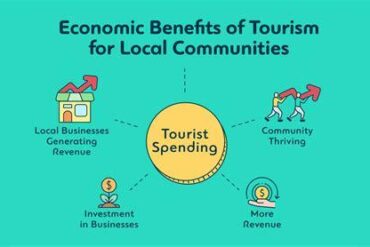
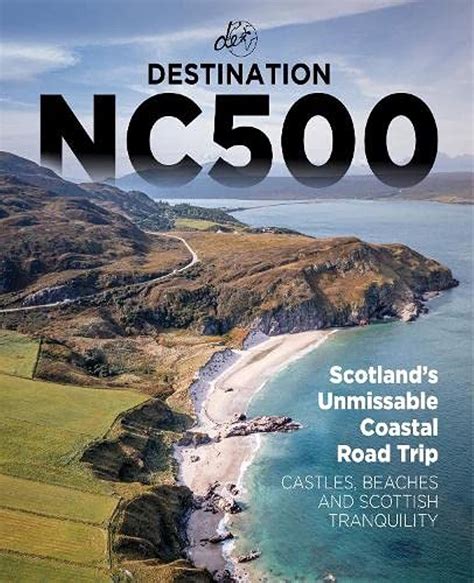
The NC500 was launched in 2015 by the North Highland Initiative to stimulate economic growth in the northern Highlands, a region historically overlooked by mainstream tourism. With its branding as an ultimate adventure, it quickly garnered attention, resulting in a staggering 26% increase in visitors within its first year. By its third year, local attractions along the route reported a 30% boost in foot traffic, while economic studies indicated that over $31 million had been infused into the local economy by 2018. This influx included a significant number of international travelers, particularly from the United States, seeking off-the-beaten-path experiences post-pandemic.
The Unforeseen Side Effects of Tourism
While the financial impact of the NC500 has been largely positive for local businesses, the dramatic rise in tourist numbers has introduced a plethora of issues. Once a tranquil landscape, the Highlands now face traffic congestion, pollution, and a decline in the quality of life for residents. The peaceful ambiance that drew many to settle in these areas is increasingly compromised by the constant flow of vehicles, especially during peak seasons.
Residents like Susanne Ramacher-Schmitz, who moved to Laid in 2020 for its serene environment, have found their quiet haven transformed into a bustling thoroughfare. Describing her experience as an “invasion,” she echoes the sentiments of many locals who cherish the tranquility that is now disrupted by the loud and chaotic presence of tourists. Similarly, Susan Black, a resident of Kinlochbervie, shared her frustrations about how daily activities, such as walking her dog, have become stressful due to the overwhelming influx of visitors, littering, and even human waste left in public spaces.
Environmental Strain: Nature at Risk
Ironically, the very landscapes that the NC500 aims to showcase are under threat from the tourism it attracts. Delicate ecosystems suffer from the increased foot traffic, particularly in sensitive areas like Drumholistan, known for its population of Atlantic puffins. Tourists eager to capture a closer look have trampled over fragile peatlands, causing irreversible damage. This escalation in visitor numbers has not only harmed wildlife habitats but has also restricted locals’ access to essential areas, making movement increasingly difficult.
One of the most perilous segments of the NC500, Bealach na Bà, is notorious for being steep and narrow. With large motorhomes and tourists unfamiliar with the treacherous terrain, accidents have surged, leading to a spike in road fatalities, particularly among foreign visitors. In response to these alarming trends, authorities have issued safety warnings and launched educational campaigns aimed at improving road safety, particularly focused on the high volume of American tourists navigating these challenging roads.
Local Business Impact: A Double-Edged Sword
The financial benefits of increased tourism are palpable for local businesses, especially those involved in holiday rentals. However, concerns loom regarding the sustainability of these economic gains. Many establishments have become heavily reliant on the NC500’s success, with one holiday rental owner in Wick expressing that their business’s survival hinges on the route’s popularity. Yet, the growing sentiment among locals is that the economic advantages come at a steep social and environmental cost.
Robin Pettigrew, a resident of Lochcarron, has witnessed firsthand the negative consequences of overtourism, including reckless driving, illegal parking, and speeding. Reports of motorhome drivers dumping waste into public drains and even cutting down trees for firewood have emerged, raising alarms about the growing disrespect for the environment. While business owners may be reaping financial rewards, many residents feel that the disruptive behaviors and environmental degradation overshadow the profits.
Efforts Toward Sustainable Tourism
Recognizing the pressing challenges posed by increasing tourism, the North Highland Initiative has embarked on several projects aimed at fostering sustainable tourism practices along the NC500. One prominent initiative is the Press Pause campaign, designed to empower local communities in shaping how their areas are marketed and managing visitor flows more effectively. By amplifying local voices, the initiative seeks to rebalance tourism dynamics, promoting a more controlled and thoughtful approach to the NC500.
Additionally, the Highland Council has taken proactive measures by deploying a team of 18 rangers to patrol the route. These rangers focus on educating visitors about responsible tourism practices, including waste disposal and respect for local wildlife. Their presence serves as a crucial reminder for tourists about the delicate balance between enjoying the beauty of the area and preserving it for future generations.
Furthermore, NC500 Ltd., the organization responsible for promoting the route, has introduced a visitor pledge that encourages tourists to adopt mindful behaviors. This pledge emphasizes the importance of respecting local communities, supporting small businesses, and minimizing environmental impacts. Although over 4,000 individuals have signed the pledge, concerns surrounding road safety, particularly among inexperienced drivers, remain a top priority for both authorities and locals.
A Global Perspective: The Need for Balance
The challenges facing the NC500 are part of a broader global narrative. Popular tourist destinations worldwide are grappling with similar dilemmas related to overtourism. As the travel industry rebounds post-pandemic, it faces the daunting task of balancing economic growth with sustainable practices. The rapid increase in tourists visiting once-remote destinations has led to overcrowding, environmental degradation, and safety concerns, threatening the long-term viability of these cherished areas.
For the tourism industry, addressing overtourism necessitates a shift towards responsible travel. Visitors must recognize their role in preserving the destinations they explore, adopting practices that respect local cultures, reduce environmental impact, and promote the well-being of local communities. Ultimately, the future success of the NC500, alongside similar routes globally, hinges on creating a balance between the economic benefits of tourism and the preservation of natural resources and local communities.
As the North Coast 500 continues to evolve, the challenge remains clear: how to craft a model of sustainable tourism that allows both locals and visitors to relish the journey without compromising the unique beauty and charm that make these places special.