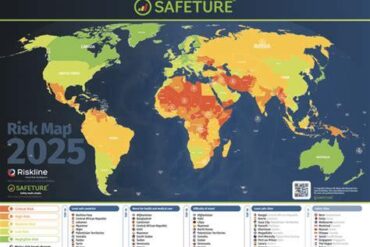
Australia has recently issued a new travel alert urging heightened caution for its citizens traveling abroad, now officially including Iran on its list of high-risk countries. This update is a response to deteriorating safety conditions and limited embassy operations, prompting the Australian government to advise its citizens to reconsider travel plans and prepare for any sudden changes while overseas.
The Department of Foreign Affairs and Trade (DFAT) has updated its travel advisories, adding Iran to a growing list that already includes Russia, Myanmar, Iraq, Sudan, Ukraine, and Yemen. The situation in these regions has become increasingly unpredictable, characterized by reduced transportation options and challenges in communication. This strategic move signals a crucial moment for Australians to be more aware of their surroundings and the evolving geopolitical landscape.
As part of this advisory, Australians currently residing in Iran are strongly encouraged to register with the Smartraveller portal, which provides real-time updates regarding travel safety and local conditions. Given that the Australian Embassy in Iran is closed, consular support cannot be guaranteed. Those planning to leave Iran should arrange for commercial departures or consider alternative land routes if deemed safe. Moreover, it is essential for travelers to verify entry requirements for neighboring countries such as Türkiye, Armenia, Azerbaijan, and Turkmenistan, as visa policies can change rapidly.
Safety Concerns in Russia and Myanmar
Russia remains under a strict “do not travel” advisory due to the unpredictable nature of local conditions and travel options. Australians in Russia are advised to reassess their personal safety plans and remain vigilant about potential changes in local circumstances. Although some commercial flights are still operational, the availability of these services can be suspended without prior notice, leaving travelers stranded.
Myanmar faces its own set of challenges, especially following a devastating 7.7 magnitude earthquake earlier this year. The combination of severe infrastructure issues and ongoing political instability makes it imperative for Australians in the country to limit movement, avoid public gatherings, and stay informed through official channels. Emergency support in Myanmar may be constrained, making personal preparedness essential.
Ongoing Risks in Iraq, Sudan, Ukraine, and Yemen
The situation in Iraq, Sudan, Ukraine, and Yemen continues to be precarious, with each country presenting unique logistical and safety challenges. In Sudan, while there may still be commercial departure routes available through Port Sudan and Port Suakin, Australians should confirm all necessary visa and documentation requirements before attempting to leave.
In Ukraine, the DFAT advises Australians to prioritize their safety and leave if conditions permit, emphasizing the need for careful planning and situational awareness. Yemen, meanwhile, is under the highest-level alert, with the Australian Government advising against any travel due to the critical lack of consular services. Australians currently in Yemen are urged to secure their locations, stay informed of local developments, and maintain communication with reliable travel professionals when considering any movement.
Proactive Measures for Australians Abroad
To enhance safety, the DFAT encourages citizens to subscribe to travel alerts and security updates tailored to their current or intended destinations. The Smartraveller portal is a vital resource, providing timely updates on transportation interruptions, safety guidance, and health alerts. It is crucial for Australians abroad to keep both physical and digital copies of essential documents such as passports, visas, travel itineraries, and emergency contact information. These resources are invaluable during urgent travel situations or unexpected mobility restrictions.
Maintaining contact with local hosts, accommodation providers, and transport services is also highly advisable, as these connections can offer real-time insights and local knowledge that help inform better travel decisions. Additionally, Australians are encouraged to keep in touch with family or friends back home who can assist in emergencies, ensuring that they have a support network in place.
Limitations of Consular Support and Emergency Contacts
While the Australian Government strives to provide support to its citizens globally, it is important to recognize that consular assistance may be severely limited in regions categorized under “do not travel” advisories. Travelers must be fully aware of the scope of available help and prepare themselves accordingly. For Australians in urgent need of assistance, the Consular Emergency Centre can be reached at +61 2 6261 3305 (from overseas) or 1300 555 135 (within Australia).
Developing a personal contingency plan is strongly recommended, including backup travel routes and alternative accommodations. Avoiding large gatherings, staying informed through official sources, and maintaining a low profile are critical safety practices that can mitigate risks.
Emphasizing Personal Responsibility and Preparation
The Australian Government has reiterated its commitment to providing clear and up-to-date information while also stressing the importance of individual responsibility. Traveling to countries under active advisories should be avoided unless absolutely necessary, and any movement within these regions must be approached with caution. Each travel advisory is based on real-time risk assessments, regional developments, and global trends, reinforcing the importance of readiness and awareness.
By following the DFAT’s recommendations, Australians can better protect themselves and ensure their wellbeing while traveling. In a world where global conditions shift rapidly, the message is clear: stay proactive, prepared, and connected, no matter where you find yourself.
Conclusion: Staying Informed Through Smartraveller
As Australia formally adds Iran to its highest-level travel alert alongside other high-risk nations, it is a reminder of the complexities involved in international travel today. Australians are encouraged to regularly consult Smartraveller.gov.au, where government-issued guidance is updated as conditions evolve. This platform offers practical information regarding entry requirements, health risks, transport disruptions, and consular support.
With the ongoing global changes, Australians must remain vigilant and adaptable, as the landscape of international travel continues to be influenced by various factors. By staying informed and prepared, Australians can navigate these challenges effectively, ensuring their safety and security wherever they go.