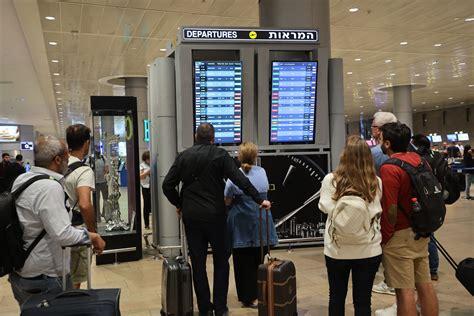
The United States State Department has issued a sweeping global travel alert as escalating military confrontations between Israel and Iran plunge the Middle East into deeper instability. The rare advisory comes as some of the world’s most prominent airlines, including Singapore Airlines, British Airways, Emirates, and Qatar Airways, suspend flights to key regional hubs like Tel Aviv, Tehran, Dubai, Baghdad, and Doha, following a dangerous spike in hostilities.
The latest developments mark one of the most significant disruptions to international aviation in the region in over a decade, as widespread airspace closures and retaliatory military strikes cripple mobility and threaten civilian safety.
US Global Travel Alert Amid Worsening Israel-Iran Hostilities
On June 23, 2025, the US government urged all American citizens abroad to exercise “extreme vigilance” as part of a rare, high-level global security advisory. The directive warns of increased risks to US travelers, including potential anti-American demonstrations, terrorist attacks, and unpredictable security conditions in conflict-prone regions.
The advisory coincides with the most volatile phase yet in the escalating Israel-Iran confrontation. In the past 48 hours, Iranian forces launched 27 ballistic missiles into Israel, retaliating for US airstrikes targeting three nuclear-related sites deep within Iranian territory.
The spiraling military exchanges have forced governments and airlines into crisis mode, with civilian airspace rapidly declared unsafe and major commercial carriers grounding flights indefinitely.
Middle East Airspace Collapses as Airlines Scramble to Respond
As the conflict intensified, nations across the Middle East enacted sweeping airspace closures that have paralyzed commercial aviation routes linking Europe, Asia, and Africa. Iraq announced a complete suspension of commercial flights, while Jordan and Bahrain imposed temporary restrictions, further complicating the already congested skies.
In response, leading international airlines initiated mass flight cancellations:
- Singapore Airlines suspended operations to Dubai International Airport (DXB), a critical global transit hub.
- British Airways halted its services connecting London to both Dubai and Doha, disrupting schedules for thousands of passengers.
- Emirates and Qatar Airways, cornerstones of Gulf aviation, have also rerouted or canceled flights to affected areas.
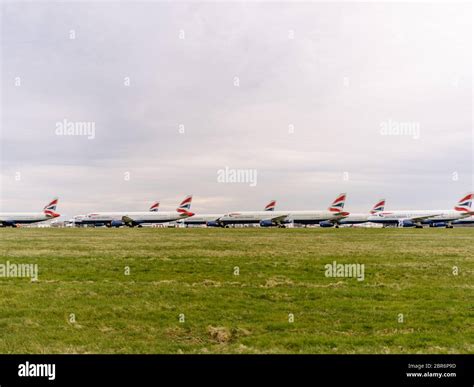
Flight tracking data from June 23 reveals a near-total absence of commercial aircraft over Israel, Iran, Iraq, and Syria, underlining the severity of the crisis. Airlines have been forced to divert aircraft via alternative corridors over Egypt and Turkey, extending flight durations and inflating operational costs.
US Travelers Advised to Avoid High-Risk Destinations
In tandem with the global alert, the US State Department revised its travel advisories, elevating several destinations to their highest warning levels. Israel has been designated “Level 4 – Do Not Travel” due to the escalating threat of armed conflict, missile attacks, and civil unrest.
Iran, already under stringent restrictions, remains off-limits to US citizens, with the closure of the Swiss Protecting Power office severely hampering diplomatic support for Americans in the country.
Officials have stressed that travelers should defer all non-essential visits to conflict zones and register with embassies when abroad. The US government has also reminded citizens to monitor official communications and be prepared to adapt travel plans rapidly as conditions deteriorate.
Exit Routes for Americans Stranded in Israel Shrink Rapidly
With Ben Gurion Airport in Tel Aviv shuttered to commercial flights, American citizens in Israel face increasingly limited evacuation options. The US Embassy, which suspended normal operations on June 23, has directed individuals to leave the country via land borders.
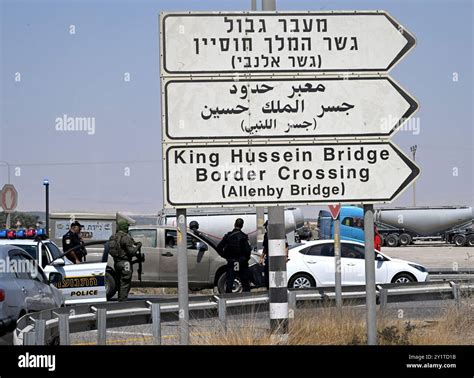
Primary exit routes include the Allenby/King Hussein Bridge crossing into Jordan and the Taba border checkpoint into Egypt, both of which remain operational. However, travelers have been warned to expect significant delays, heightened security checks, and potential closures as the situation evolves.
US diplomatic officials have urged those planning overland departures to arrange accommodations and transport well in advance, given the unpredictability of border access amid escalating hostilities.
Gulf Nations Implement Sweeping Emergency Measures
Fearing regional spillover, several Gulf states have activated robust contingency plans to safeguard public infrastructure and maintain essential services. Bahrain introduced a temporary “work-from-home” mandate for government offices, limiting on-road congestion and ensuring emergency services can operate unimpeded.
Kuwait launched an emergency preparedness protocol aimed at fortifying critical sectors, including finance, telecommunications, and healthcare. Authorities in Kuwait City have confirmed that heightened security measures are in place to deter unrest and maintain stability.
These decisive steps reflect deepening concerns that the Israel-Iran conflict could ignite broader instability across the Gulf, with potential ramifications for oil markets, trade routes, and regional security.
UAE Monitors Escalation but Keeps Borders Open
Amid the rapidly shifting crisis, the United Arab Emirates (UAE) continues to maintain normal operations, though authorities remain on high alert. US diplomatic missions in Abu Dhabi and Dubai are in close coordination with American travelers, residents, and businesses to provide up-to-date security information.
The UAE government has ramped up surveillance in public areas, advised residents to avoid large gatherings, and reaffirmed its commitment to diplomatic efforts aimed at de-escalating tensions.
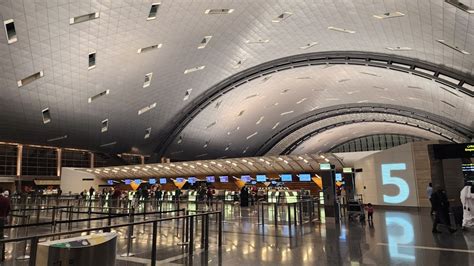
Despite flight suspensions affecting Dubai International Airport, operations at key airports and seaports in the UAE remain functional. However, officials caution that circumstances could change rapidly, urging travelers to stay informed and prepared.
Ripple Effects on Global Aviation and Travel Economy
The widespread disruptions have sent shockwaves through the global travel sector, particularly impacting airlines that rely heavily on Middle Eastern transit routes. The closure of airspace over Israel, Iran, Iraq, and parts of Syria has created logistical nightmares for flight planners, forcing aircraft onto longer, costlier paths.
Experts warn that prolonged instability could drive up airfares, disrupt global cargo operations, and strain aviation fuel supplies. Additionally, travel insurance premiums for itineraries through the region are expected to spike as carriers reassess risk profiles.
International tourism, particularly to Gulf destinations such as Dubai, Doha, and Abu Dhabi, faces uncertain prospects as airlines grapple with operational disruptions and travelers reconsider plans.

Conclusion: Mounting Uncertainty as Geopolitical Crisis Deepens
The explosive Israel-Iran conflict has triggered an unprecedented convergence of military action, diplomatic strain, and global travel disruption. With prominent airlines grounding flights, air corridors collapsing, and US travelers urged to reconsider itineraries, the situation remains fluid and highly volatile.
Governments and airlines worldwide are closely monitoring the crisis, but the pathway to de-escalation remains unclear. Travelers, particularly those with plans involving the Middle East, are strongly advised to stay informed, remain flexible, and prioritize safety as this high-stakes geopolitical standoff unfolds.
For now, heightened vigilance is paramount, as the ripple effects of this conflict reverberate across borders, economies, and the global aviation network.