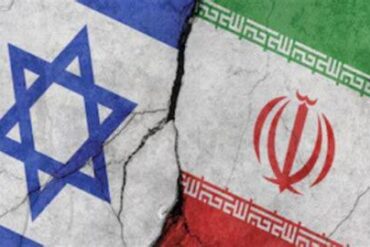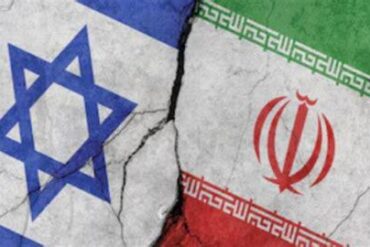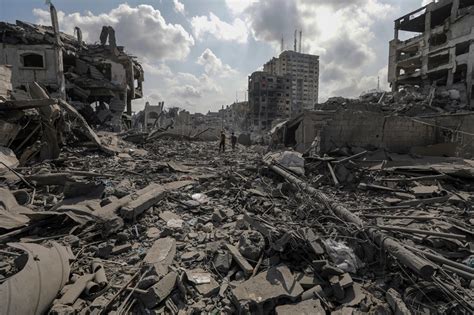
The Hong Kong government has taken the unprecedented step of issuing a black travel alert—its most severe outbound travel warning—for Israel and Iran, citing the rapidly deteriorating and unpredictable security situation in both nations. This critical advisory underscores the grave risks associated with traveling to these regions, where intensifying military operations have already claimed numerous civilian lives and crippled vital infrastructure.
Over recent weeks, violent escalations between Israel and Iran have prompted global concern. Missile exchanges, airstrikes, and retaliatory bombings have become disturbingly frequent, creating a volatile climate that poses immediate threats to foreign nationals, including those from Hong Kong. Authorities have stressed the severity of the situation, urging residents to avoid all travel to both countries and to leave immediately if already present and safe to do so.
Why the Black Alert Matters: Hong Kong’s Strictest Travel Advisory
Hong Kong’s outbound travel alert system operates on a three-tiered, color-coded scale:
- Yellow: Indicates signs of potential danger. Travelers should be cautious.
- Red: Signals a high threat level. Travel should be reconsidered.
- Black: Denotes a severe threat. All travel is strongly discouraged.
By upgrading Israel and Iran to the black level, the Hong Kong government is communicating an unambiguous message: the risks to personal safety in these areas are critical and potentially life-threatening. This rare move places the two nations alongside Lebanon and Syria, which are already on Hong Kong’s black list due to long-term instability and violence.
Explosive Military Escalation Drives Decision
The black alert comes in response to recent military escalations that have dramatically intensified the danger in the region. Israel has launched airstrikes on Iranian nuclear facilities, a move that many international observers view as a turning point in the ongoing conflict. In retaliation, Iran has fired missiles at several Israeli cities, including a direct hit on a hospital in Tel Aviv, resulting in civilian deaths and mass panic.
The humanitarian consequences have been severe. Residential neighborhoods, schools, and medical centers have all suffered damage, making basic services inaccessible to many. As both nations double down on military action, international aid organizations have found it increasingly difficult to deliver support on the ground. These developments leave tourists, expatriates, and local civilians highly vulnerable.
Civilian Casualties Mount as Vital Infrastructure Crumbles
The escalation has disproportionately impacted civilians, many of whom find themselves caught in the crossfire of nationalist retaliation and geopolitical posturing. In both Israel and Iran, families have been displaced, emergency rooms overwhelmed, and supply chains disrupted. Entire neighborhoods lie in ruins as power grids and water systems fail under the strain of targeted bombings.
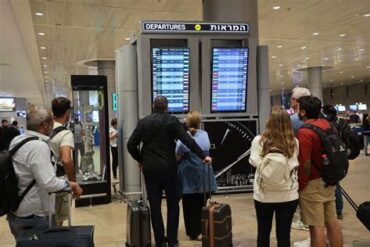
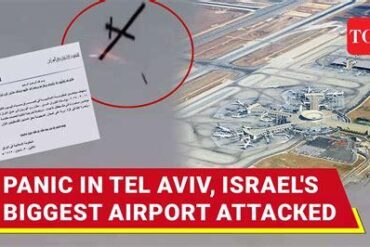
Civilian transportation has also suffered. International flights in and out of Ben Gurion Airport in Tel Aviv and Imam Khomeini International Airport in Tehran have been delayed or canceled without warning. Foreign nationals, including Hongkongers, are finding it increasingly difficult to secure safe passage out of the conflict zones.
Heightened Travel Risks for Hong Kong Residents Abroad
In addition to advising against travel, the Hong Kong Security Bureau is urging those currently in Israel or Iran to leave the region immediately, provided it is safe to do so. Travelers are being told to remain highly vigilant, avoid large gatherings, and monitor trusted news sources and consular updates.
Hong Kong citizens overseas are also encouraged to register their contact details with the Immigration Department to ensure they receive real-time safety updates and emergency support. The Security Bureau has reiterated that no travel is worth the risk, especially under such volatile and dangerous conditions.
Implications for Regional and Global Security
The security situation in Israel and Iran is not unfolding in isolation. Experts warn that the current hostilities could quickly spill over into neighboring countries such as Lebanon and Syria, compounding the regional instability. Both these nations are already under black alert from Hong Kong and several Western governments.
Diplomatic relations across the Middle East have grown increasingly strained, and the likelihood of broader military engagement involving global powers is rising. The United States, European Union, and several Asian nations have issued travel advisories echoing Hong Kong’s warnings. Meanwhile, global supply chains—particularly in energy and shipping—are beginning to feel the tremors of instability.
International airlines are rerouting flights away from Middle Eastern airspace, and oil markets have seen sharp fluctuations, driven by fears of a prolonged conflict. What began as a targeted escalation between two adversaries now threatens to become a regional crisis with global repercussions.
A Cautious Approach to International Travel Amid Conflict
Travelers worldwide are being reminded that personal safety must outweigh all other considerations, whether professional, academic, or recreational. The Hong Kong government’s move to raise the travel alert to black is not only a reactive step to current dangers but also a proactive effort to prevent loss of life and irreversible harm.
While the situation continues to evolve, few signs point to a de-escalation. Ongoing negotiations have failed to produce meaningful ceasefires, and military rhetoric from both sides remains aggressively uncompromising. Given this, Hong Kong’s stance is expected to remain firm, with authorities closely monitoring regional dynamics for further developments.
Crisis Preparedness and Government Support
Hong Kong’s Immigration Department and Security Bureau have activated their overseas assistance networks to aid citizens caught in conflict zones. These agencies are providing:
- Evacuation support where feasible
- Consular assistance for travel documentation and legal issues
- Real-time updates via their official website and emergency hotlines
Residents are strongly encouraged to download the ‘Safe Travel’ app, which provides live updates, emergency contacts, and personalized travel risk assessments.
Final Remarks: Vigilance in an Unstable World
As military tensions between Israel and Iran continue to spiral out of control, the Hong Kong government’s highest-level travel warning is a sobering reminder of how quickly peace can unravel. The black alert is more than a travel notice—it is a public safety directive backed by the urgency of unfolding events.
Hong Kong residents are urged to take the warning seriously, avoid complacency, and prioritize their well-being and security above all else. Whether planning business trips, religious pilgrimages, or family visits, no purpose justifies placing oneself in the heart of a military conflict zone.
The global landscape is shifting rapidly. In times like these, informed, cautious decision-making is not just advisable—it is essential.