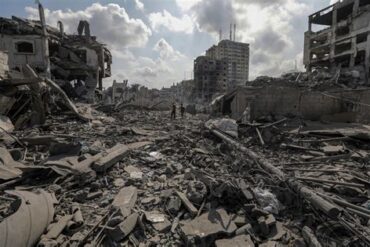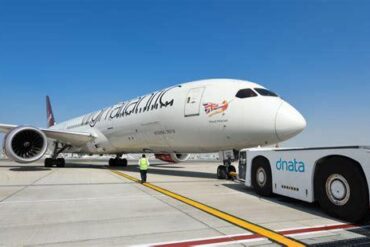
As the Middle East is once again engulfed in a spiraling security crisis, global aviation is grinding to a halt. On June 21, 2025, following the explosive escalation of hostilities between Israel and Iran, major international carriers—including Air Europa, AirBaltic, Ryanair, Delta Air Lines, Wizz Air, TAROM, and ITA Airways—swiftly suspended all flight operations to Tel Aviv, Tehran, Beirut, and Amman. The cancellations signal not only the magnitude of the conflict but also the fragility of regional airspace under fire.
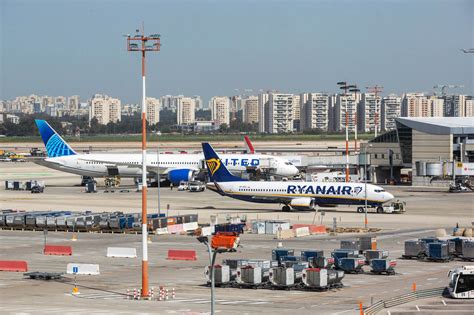
Unprecedented Airspace Lockdown: A Direct Response to Escalating Hostilities
This latest wave of flight cancellations reflects a strategic response to intensifying missile strikes, drone activity, and cyber warfare across multiple Middle Eastern capitals. With airports on high alert and civil aviation authorities issuing emergency notices, the airspace over Israel, Iran, Lebanon, Jordan, and surrounding regions has effectively become a no-fly zone.
Air Europa, the Spanish flagship carrier, has suspended all flights to and from Tel Aviv until July 31, offering rerouting options and full refunds to affected passengers. AirBaltic, similarly, has grounded its Riga–Tel Aviv route through September, underscoring the long-term uncertainty gripping regional aviation planning.
Ryanair, known for its high-frequency budget routes, has halted operations to Tel Aviv until at least September 30, citing unsustainable risk levels. The decision echoes that of Delta Air Lines, which has warned of ongoing disruptions through August 31, and Wizz Air, which suspended operations to both Tel Aviv and Amman through mid-September.
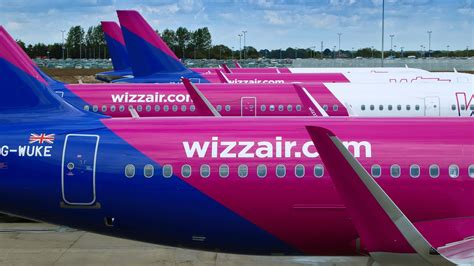
Regional Chaos Forces Industry-Wide Retrenchment
The domino effect of these suspensions extends well beyond the named cities. Airports in Beirut and Amman have seen their schedules gutted overnight. TAROM, Romania’s national airline, has halted flights to all three cities, while ITA Airways has joined the list of carriers freezing service to Tel Aviv through the end of July, even canceling early August flights preemptively.
This collective retreat by global airlines marks one of the largest peacetime aviation shutdowns in recent Middle Eastern history, paralleling responses seen during the Gulf War and the 2006 Lebanon War, but on a broader scale. Industry analysts note that the present situation poses far deeper operational risks than previous events due to the multidirectional nature of the threats, including GPS jamming, unidentified aerial incursions, and cyberattacks on air traffic control systems.
Behind the Curtain: The Geopolitical Tinderbox Driving the Aviation Crisis
The conflict erupted following a series of retaliatory strikes between Israeli and Iranian military forces, with Beirut and Damascus becoming key battlegrounds in proxy confrontations. The escalation prompted air defense alerts across Jordan, while rockets were intercepted over northern Israel. In this climate, commercial aircraft—despite their civilian status—have become vulnerable.
Intelligence reports suggest the threat level against foreign airliners is currently classified as Level 4: High, particularly over Israeli, Iranian, and Lebanese airspace. As a result, many aviation authorities have issued Notices to Airmen (NOTAMs), advising avoidance of specific airways.
International aviation watchdogs, including the European Union Aviation Safety Agency (EASA) and the U.S. Federal Aviation Administration (FAA), have echoed these concerns. Both agencies have called on airlines to reassess flight paths and emphasized the need for real-time intelligence to inform any future resumptions.
Logistics in Disarray: The Passenger Fallout
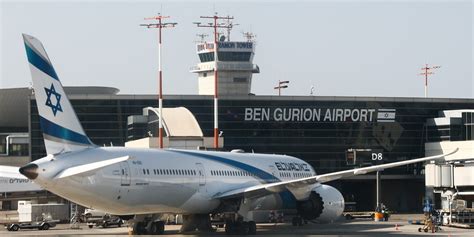
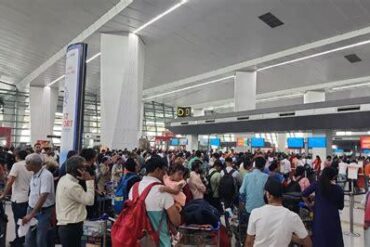
The consequences for passengers are profound. Travel plans for tens of thousands have been derailed, many with little warning. Tel Aviv’s Ben Gurion International Airport, typically bustling with summer travelers, now operates in a skeletal mode. Stranded passengers—particularly transit travelers connecting through hubs like Istanbul, Doha, and Dubai—are left scrambling to secure alternative routes, only to find that options are evaporating quickly.
For instance, Emirates, Etihad, and Qatar Airways—all major regional players—have suspended flights not only to Tel Aviv and Beirut, but also to Tehran, Baghdad, and Basra. Qatar Airways has gone a step further by grounding flights to Iraq, Iran, and Syria, entirely bypassing some of the most conflict-prone skies in the world.

Passengers affected by these sweeping changes face not only travel delays, but also considerable financial losses, especially those without comprehensive travel insurance. Airlines have generally been prompt in offering refunds or rebooking options, yet many travelers complain of overwhelmed customer service channels and non-responsiveness from booking platforms.
Safety First: Airlines Shift to Crisis Management Mode
Airline risk departments are now working overtime, deploying emergency protocols that include:
- Satellite-based route planning to avoid restricted airspace
- Onboard security personnel on select high-risk routes
- Dynamic risk assessments updated every 6–12 hours
- Strategic rerouting via Eastern Europe and North Africa
Additionally, carriers are increasingly relying on real-time data feeds from government defense systems, airspace surveillance agencies, and private intelligence firms specializing in aviation risk.
Lufthansa Group, among the most proactive, has suspended flights to Beirut, Tel Aviv, Tehran, and Amman, while adjusting flight corridors to circumvent high-risk zones. British Airways and Iberia Express have extended their Tel Aviv suspensions as well, showcasing a united front among European carriers.
The Road (or Sky) Ahead: Uncertainty Looms Over Resumption Timelines
While most airlines have set tentative resumption dates ranging from late June to September, these are highly conditional. Any further military engagement, particularly involving missile strikes on civilian infrastructure or escalation to cross-border warfare, will push timelines back indefinitely.
Airlines are also facing logistical headaches in repositioning aircraft and crew, especially those stranded in regional hubs now inaccessible due to NOTAM restrictions. Additionally, insurance premiums for operating in or near Middle Eastern airspace have skyrocketed, further discouraging even humanitarian or repatriation flights.
Despite diplomatic overtures by international actors, including the United Nations, European Union, and Gulf Cooperation Council, a meaningful ceasefire remains elusive. Until tangible progress is achieved on that front, airline CEOs are expected to maintain the “safety above schedule” posture.
A Sobering Wake-Up Call for Global Aviation
This crisis starkly reminds the global aviation industry of its vulnerability to geopolitical shocks. It has reignited discussions about the need for stronger global protocols on conflict-zone navigation, especially in light of past incidents like the downing of Malaysia Airlines Flight MH17 over Ukraine.
For passengers, the events underscore the value of flexible booking options, insurance coverage, and real-time itinerary monitoring. For airlines, the episode will serve as a case study in crisis preparedness—one where lives, reputations, and profitability hang in a delicate balance.
The Middle East, a region with deep historical and religious significance and a growing aviation market, now stands at a critical junction. Whether it can reclaim its skies depends not only on military de-escalation but on a concerted, coordinated global effort to stabilize the broader aviation and security ecosystem.