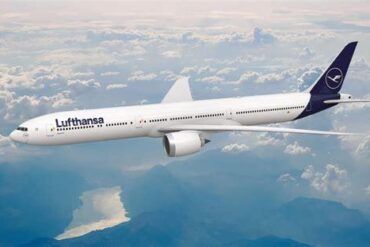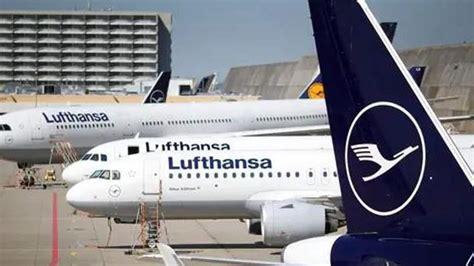
In an unprecedented development across the European aviation sector, Lufthansa, alongside British Airways, Air France, Wizz Air, EasyJet, and Swiss International Air Lines, has found itself entrenched in a summer of explosive cancellations and mounting operational crises. The core drivers behind this disruption—geopolitical bombings, airspace closures, violent weather systems, and crew shortages—have all collided in June 2025, leaving thousands of travelers stranded across airports in Europe, the Middle East, and beyond.
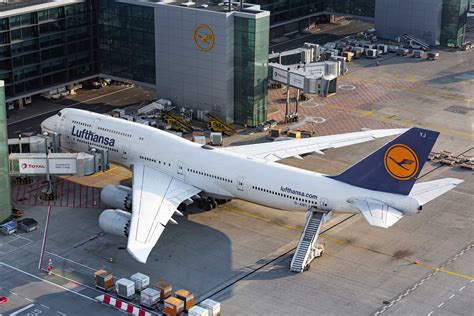
Europe’s Airlines Caught in the Crossfire of Geopolitical Vendettas
The epicenter of the current airline upheaval lies in the intensifying Middle Eastern conflict, primarily involving Iran, Israel, and U.S. military interests in the region. The most dramatic escalation came in early June when Iran launched missile strikes on a U.S. base in Qatar, leading to an immediate closure of the surrounding airspace. Within hours, the FAA and EASA issued mandatory flight advisories, effectively redrawing Europe’s east-west air corridors. Airlines flying over Iran, Iraq, and parts of Israel were forced into emergency reroutes or outright cancellations.
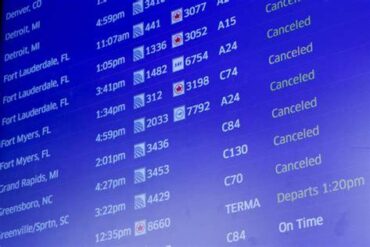
By June 13, the repercussions had materialized: over 1,800 flights canceled in a matter of days. The international flight network reeled as affected airlines struggled to reorganize schedules. British Airways grounded flights to Doha and Dubai, while Air France-KLM rerouted or suspended flights to several Middle Eastern destinations. For Lufthansa, the once-reliable European-Middle East transit hub began to buckle under the strain of rerouting hundreds of flights.
The domino effect was swift. Routes previously designed for maximum fuel and time efficiency were now convoluted, requiring longer flight paths that increased fuel consumption, crew fatigue, and turnaround delays.
Rerouted Chaos: The Ripple Effect at Major European Hubs
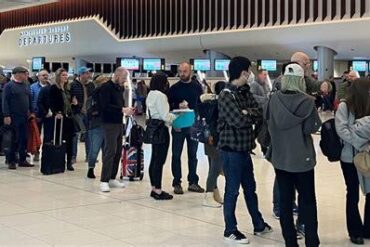
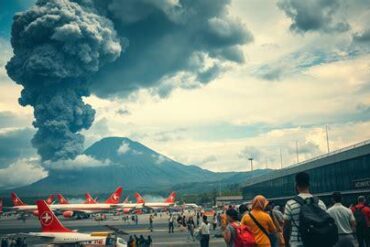
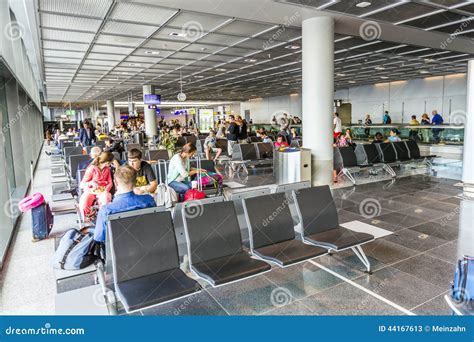
Airports in Frankfurt, Paris, Heathrow, and Zurich transformed into scenes of barely controlled chaos. Passengers disembarked flights only to find themselves stranded with limited onward travel options. Airport staff, overwhelmed by the volume, struggled to accommodate a surge in rebookings, customer inquiries, and compensatory lodging.
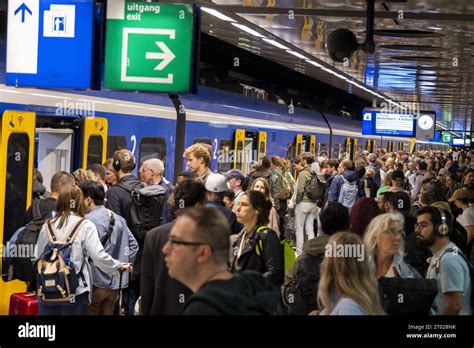
The saturation of booking systems at key hubs triggered a regional overflow. Flights intended for Frankfurt were redirected to Munich or even Vienna, forcing travelers into unexpected overnights. Air France and Lufthansa began rerouting long-haul aircraft to less-congested regional airports in Belgium and the Netherlands to alleviate pressure.
For Wizz Air and EasyJet, the low-cost model proved particularly vulnerable. Their tight turnaround schedules left little room for operational flexibility. Dozens of flights were simply scrapped, resulting in abrupt cancellations with minimal notice, especially across routes connecting London Gatwick, Budapest, and Dubai.
Weather Turns Hostile: Thunderstorms Sweep Northern Europe
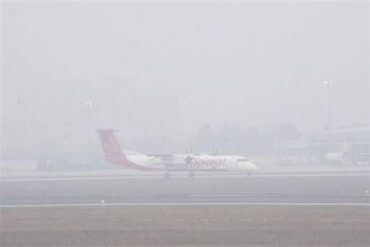
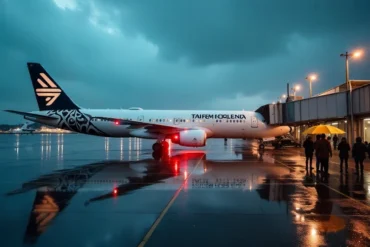
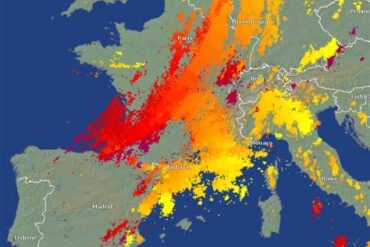
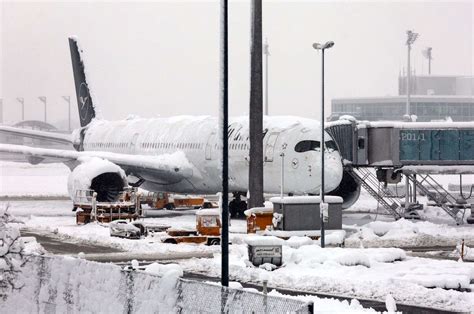
As if airspace restrictions weren’t disruptive enough, violent thunderstorms and torrential rain in Northern and Western Europe added a meteorological punch to the aviation woes. On June 21-23, storms battered airports in the UK, Germany, Denmark, and Sweden, reducing visibility and grounding entire fleets.
Palma de Mallorca Airport, a key gateway for summer holiday traffic, was severely impacted. Carriers such as EasyJet and Ryanair canceled multiple flights into Spain’s sunbelt as storms disrupted both takeoffs and landings.
Air traffic control delays compounded the situation. With lightning near ATC towers and runways soaked, the movement of planes on the ground became erratic. Delay cascades formed within hours—affecting even unaffected routes simply due to resource gridlocks.
Swiss International Air Lines: A Crisis of Human Resources
Amidst the weather and warfare-induced turmoil, Swiss International Air Lines (SWISS) added another layer of chaos to the unfolding disaster: a crippling pilot shortage. The airline preemptively announced it would be canceling over 1,400 flights throughout summer, affecting nearly 50,000 passengers.
Rooted in post-pandemic recovery failures, the pilot shortage meant SWISS could no longer sustain its ambitious summer schedule. The cancellations affected both domestic Swiss routes and crucial international links, including connections to New York, London, and Athens.
While SWISS attempted to mitigate backlash by offering rebooking options and compensation packages, the surge in affected passengers overloaded the airline’s customer service infrastructure. For travelers already impacted by geopolitical rerouting or weather delays, this staffing shortfall became the final straw.
Sky-High Tech: Digital Tools Offer Lifelines
Faced with this multisource disruption, some passengers found refuge in technology. Real-time tracking platforms such as Flightradar24 surged in usage, allowing users to monitor flight patterns, route changes, and airspace closures across global maps.
For those mid-journey or awaiting updates, these platforms offered more timely insights than airport display boards or airline hotlines. Meanwhile, airlines themselves began relying more heavily on automated passenger communication systems, with SMS alerts, app push notifications, and chatbot assistants filling in for overwhelmed staff.
Innovative in-flight systems, such as SkyTender Solutions’ SkyBar SPLASH, began gaining traction for their dual operational and environmental benefits. By reducing on-board beverage weight and eliminating wasteful packaging, airlines improved both fuel efficiency and in-flight service times, indirectly contributing to more resilient operations during crises.
The Passenger Playbook: How to Travel Smart in Unstable Times
For travelers caught in the vortex of flight cancellations and delays, preparation is proving essential. Experts advise adopting a multi-pronged readiness strategy:
- Stay informed via airline apps and independent flight trackers.
- Book flexible tickets or purchase travel insurance with disruption clauses.
- Understand EU261 compensation rights, especially for EU-based airlines.
- Travel light to make rebooking and rerouting smoother.
- Act quickly when cancellations occur—alternative seats vanish within minutes.
Being assertive and digitally agile is the key to reducing stress. Many passengers who navigated the June 2025 chaos successfully were those who knew their rights, monitored flight paths, and kept their documentation in order for compensation claims.
Aviation’s Fragile Summer: Industry Response and Future Outlook
The collective impact of bombing-induced airspace closures, summer thunderstorms, and staffing issues has painted a grim picture of Europe’s 2025 travel season. Industry analysts warn that this could be the beginning of a pattern, not an anomaly. The aviation sector’s dependence on stable geopolitical relations and predictable climate conditions is increasingly being tested in an era of fragmentation and ecological volatility.
Airlines such as Lufthansa and Air France are now reassessing their summer operations and introducing crisis contingency protocols, including multi-hub rerouting, expanded customer service outsourcing, and cross-border pilot sharing agreements. Yet, unless geopolitical tensions de-escalate and weather events stabilize, such measures may only provide temporary relief.
For passengers, the message is clear: travel resilience now depends on strategic planning, tech-savvy tools, and adaptable itineraries. In a sky no longer immune to the earth’s political and environmental fires, flying has become as much about knowing the risks as booking the ticket.
The skies above Europe remain turbulent, and while the travel industry fights to adapt, passengers must embrace new norms of vigilance, flexibility, and digital fluency to navigate the shifting winds of modern aviation.