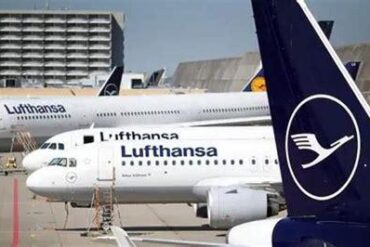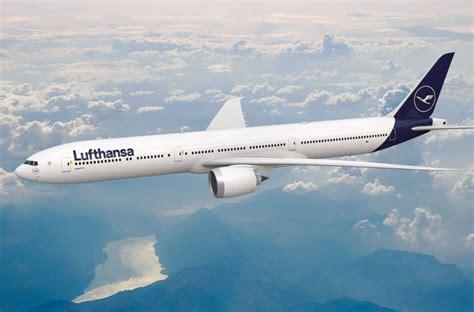
Lufthansa is confronting an increasingly volatile transatlantic market as it prepares for a notable decline in US travel demand in the months ahead. Against a backdrop of economic instability, geopolitical tensions, and escalating trade barriers, Germany’s flagship carrier is recalibrating its operations and commercial strategies. With the United States traditionally serving as a vital hub for Lufthansa’s transatlantic revenue, the anticipated downturn is forcing the airline to innovate and adapt quickly.
The decline in US-bound travel is expected to become most evident as the summer high season tapers off, with projections indicating significant drops in business travel — a segment that historically underpins Lufthansa’s profitability during off-peak months. The combined effect of rising inflation, a weakened US dollar, and ongoing trade disputes has eroded the attractiveness of transatlantic routes, both for leisure and corporate travelers.
Economic Turbulence Reshaping Transatlantic Demand
The economic headwinds facing Lufthansa are multifaceted. Inflationary pressures in the United States have increased the cost of travel, while the depreciated dollar has made European destinations more expensive for American tourists. Compounding this is the reluctance of businesses to invest in cross-border travel as trade wars and geopolitical uncertainties diminish confidence. For Lufthansa, whose business model heavily depends on premium cabin bookings from corporate clients, this downturn in business travel spells a significant challenge.
During past cycles, Lufthansa leveraged strong business travel demand to stabilize revenue in the quieter autumn months. However, as corporations tighten budgets and shift toward virtual meetings, fewer executives are crossing the Atlantic, reducing yields on key routes like Frankfurt to New York and Munich to Chicago.
Geopolitical Strains and Trade Barriers Undermine Business Confidence
The complex geopolitical environment is another formidable obstacle. The airline industry at large has been grappling with the fallout of heightened tensions between major economic powers. For Lufthansa, these tensions have manifested in weakened demand for US-Europe business travel, with companies on both sides of the Atlantic reconsidering the value and necessity of in-person engagements. The escalation of trade disputes, particularly between the European Union and the United States, has added another layer of friction to cross-border commerce, directly impacting the volume of corporate travel.
Narrowing Booking Curve Complicates Forecasting
Adding to Lufthansa’s challenges is the trend of a narrowing booking window. Travelers — both leisure and corporate — are increasingly delaying their booking decisions. This behavior shift, largely driven by economic caution, makes it more difficult for Lufthansa to predict load factors and manage capacity effectively. The airline is now grappling with fluctuating cash flows and more volatile demand patterns, forcing it to reconsider its revenue management tactics.
Whereas in prior years, advance bookings provided a clear picture of upcoming demand, today’s environment demands far greater flexibility. Lufthansa must continuously adjust pricing strategies and route planning, responding almost in real-time to market signals. The unpredictability is particularly pronounced on lucrative transatlantic routes, where securing consistent high-yield bookings was once a cornerstone of profitability.
Lufthansa Group’s Multi-Carrier Network Faces Unified Challenge
Lufthansa’s predicament extends beyond its own brand. The wider Lufthansa Group, encompassing carriers such as Austrian Airlines, Brussels Airlines, SWISS International Air Lines, and ITA Airways, collectively operates about 60 daily flights to the United States. Each of these airlines is similarly exposed to the transatlantic slowdown. This group-wide exposure amplifies the impact of declining US demand, placing additional pressure on the parent company to craft a resilient, unified strategy.
These airlines, while diverse in their market positions and target demographics, share the overarching reliance on transatlantic traffic to fuel revenue streams. The slowdown is compelling the Group to explore alternative growth markets and consider adjustments in capacity deployment, fleet utilization, and scheduling.
Strategic Adjustments and Operational Responses
In response to these evolving conditions, Lufthansa is pursuing multiple avenues to mitigate the downturn’s impact. Fleet planning is being reconsidered, with the airline looking to optimize aircraft deployment to ensure efficient utilization on routes that remain robust. Additionally, Lufthansa is exploring enhancements in digital booking channels and dynamic pricing models, aiming to capture last-minute demand more effectively.
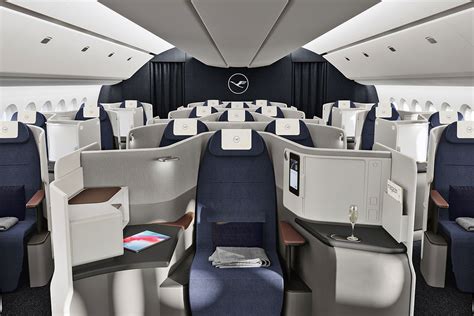
There is also a renewed focus on ancillary revenues and partnership opportunities that can help offset weaker ticket sales. Lufthansa’s participation in joint ventures and alliances, such as the Atlantic Joint Business with American Airlines and British Airways, is seen as a lever to stabilize transatlantic market share even as demand softens.
The Road Ahead: Navigating a Complex Recovery
Looking forward, Lufthansa faces a delicate balancing act. On one hand, the airline must ensure it retains the flexibility to ramp up capacity should conditions improve unexpectedly. On the other, it must guard against overextending itself in an environment where demand signals are mixed at best. The next few quarters will be pivotal, as the airline evaluates the sustainability of key routes and looks for ways to pivot toward markets with stronger fundamentals.
Market analysts note that Lufthansa’s ability to weather this period will depend heavily on its agility in managing costs and leveraging group synergies. The airline’s resilience during the pandemic offered valuable lessons in adaptability — lessons that are now being applied to this fresh set of challenges.
Conclusion: A Defining Moment for Lufthansa’s Transatlantic Ambitions
The coming months will test Lufthansa’s strategic vision and operational discipline. As economic uncertainty persists and geopolitical rifts deepen, the carrier’s ability to adapt will determine its competitive position in the transatlantic market. Business travel, once the bedrock of Lufthansa’s US operations, is unlikely to rebound swiftly, requiring the airline to rethink not only its route structures but also the very value proposition it offers to travelers in this complex global climate.