Greece’s tourism industry has witnessed an unprecedented boom, significantly bolstered by long-haul travelers from the United States, Canada, and Australia. These countries have become vital contributors to Greece’s economic resurgence, particularly in the post-pandemic landscape. However, this promising trajectory is now at risk due to escalating geopolitical tensions in the region, particularly following the fragile ceasefire between Iran and Israel. According to a recent bulletin from Alpha Bank, while American, Canadian, and Australian tourists generated billions in revenue during 2024, the ongoing instability may disrupt air travel, cruise itineraries, and investor confidence crucial for maintaining Greece’s tourism momentum.
The report highlights that tourism plays a pivotal role in Greece’s economy, accounting for nearly 20% of the nation’s GDP and sustaining numerous enterprises and employment opportunities. Yet, Alpha Bank warns that if the current ceasefire collapses, the remarkable progress made in tourism recovery since the pandemic could be jeopardized. This precarious situation underscores the delicate balance Greece must maintain as it navigates the complex interplay of regional stability and economic growth.
The Impact of Iran-Israel Tensions on Travel Flows
One of the most immediate concerns arising from the report is the potential disruption of travel flows between Israel and Greece. For the summer of 2025, an estimated 1.3 million airline seats were scheduled for flights from Israel to various Greek destinations, reflecting a 43.5% increase over the previous year. This significant surge represents nearly 5% of all international capacity into Greece during the peak travel season. Furthermore, active bookings from Israeli citizens have reportedly increased by nearly 57%, emphasizing Israel’s growing importance as a key source market for Greek tourism. However, these gains are now precariously hanging in the balance as security fears and international travel warnings weigh heavily on travelers’ decision-making processes.
Despite comprising just 1.7% of all international arrivals to Greece, Israeli tourists are regarded as high-value travelers. In 2024 alone, revenue from Israeli tourists soared to approximately €419 million, a dramatic increase from €269 million in 2023. This financial influx not only underscores the economic significance of Israeli visitors but also reinforces Greece’s positive services trade balance with Israel, which reached around €430 million in 2023, predominantly driven by travel and tourism.
Broader Implications for Long-Haul Markets
Beyond the specific implications for Israel-Greece travel, Alpha Bank’s analysis delves into the broader consequences of a prolonged conflict in the Middle East. If hostilities escalate, particularly spilling over into the Eastern Mediterranean, the region could be branded as a geopolitical flashpoint, leading to a decline in interest from long-haul travelers hailing from key markets such as the United States, Canada, Australia, and various parts of Asia.
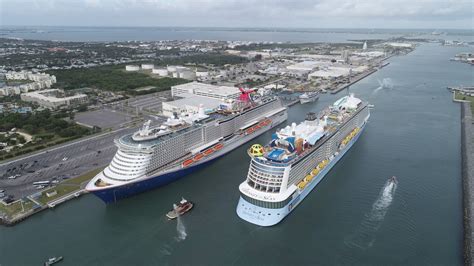
The cruise industry, which has become a vital component of Greece’s tourism sector, stands to be particularly vulnerable to these negative perceptions. In 2024, Greece welcomed a record 4.7 million cruise passengers, marking a 42% year-on-year increase and generating more than €1 billion in revenue. Given the extensive operations of international cruise lines through the Aegean and Eastern Mediterranean, even the mere suggestion of instability could prompt itinerary changes or cancellations, severely impacting a crucial revenue stream for Greek ports and islands.
Tourists from North America and Oceania have also contributed significantly to Greece’s tourism windfall. In 2024, visitors from the United States, Canada, and Australia accounted for nearly 2 million arrivals, generating approximately €2.2 billion in tourism receipts—around 10% of Greece’s total revenue from travel. This robust contribution underscores the importance of these long-haul markets, highlighting the need for Greece to ensure their continued appeal amid rising geopolitical tensions.
Short-Term Resilience Amidst Long-Term Concerns
Despite the growing geopolitical uncertainty, Alpha Bank reports that Greece’s tourism sector exhibited notable resilience during the opening quarter of 2025. Tourist arrivals experienced a 5.8% increase, while earnings from tourism surged by 10.6% compared to the same period in 2024. These early figures reflect sustained demand and traveler confidence, particularly among core European markets that are less affected by the ongoing tensions in the Middle East. Nevertheless, the bank emphasizes that persistent geopolitical friction could undermine long-term investment confidence, potentially stalling several large-scale projects critical for Greece’s economic future.
Foreign Direct Investment (FDI)—a key driver of Greece’s economic modernization—might face curtailment if global investors perceive heightened regional risks. In 2024, FDI inflows reached an all-time high of €6.8 billion, reflecting a 41.3% increase from the prior year. This capital influx has primarily targeted sectors such as real estate development, manufacturing, and financial services, all crucial for boosting productivity and creating jobs. Notably, Israeli investments accounted for €122 million of this total, primarily focused on Greek real estate, representing 1.8% of all FDI.
Navigating a Delicate Balancing Act
In conclusion, Alpha Bank’s bulletin presents a cautiously optimistic yet pragmatic outlook. Greece’s open economy, heavily reliant on global tourism and international capital flows, is uniquely vulnerable to shocks stemming from geopolitical developments. While current data indicates strength and resilience, the long-term outlook will hinge on how effectively Greece can navigate the volatility surrounding its regional neighborhood. As Athens positions itself as a safe and stable gateway to the Eastern Mediterranean, maintaining peace and fostering diplomatic resilience will be essential for the country’s economic well-being.
Proactive strategies, such as diversifying tourist source markets, strengthening investor protections, and enhancing crisis preparedness, will be vital in shielding the Greek economy from external shocks. With record-breaking tourism revenues—largely propelled by visitors from the United States, Canada, and Australia—Greece now faces mounting risks associated with the fragile Iran-Israel ceasefire. The country stands at a critical juncture, with its tourism and investment sectors flourishing yet fragile, buoyed by past successes but increasingly exposed to the unpredictability of regional geopolitics.