The future of naval warfare is rapidly moving toward unmanned systems, and Germany’s latest innovation could redefine how submarines operate beneath the waves. Developed by Gabler and Flanq, the Ranger Torpedo-Tube-Launched Uncrewed Surface Vessel (TTL USV) represents a new generation of naval drones designed to extend submarine capabilities without exposing crewed vessels to unnecessary risks.
Drones have already changed modern conflicts, with aerial systems and maritime platforms proving their value in intelligence gathering, surveillance, and precision attacks. The war in Ukraine demonstrated how relatively small unmanned naval vehicles can threaten larger military assets, pushing defense companies worldwide to develop new solutions for underwater and surface operations.
Germany’s Ranger Drone Introduces A New Era Of Submarine Operations
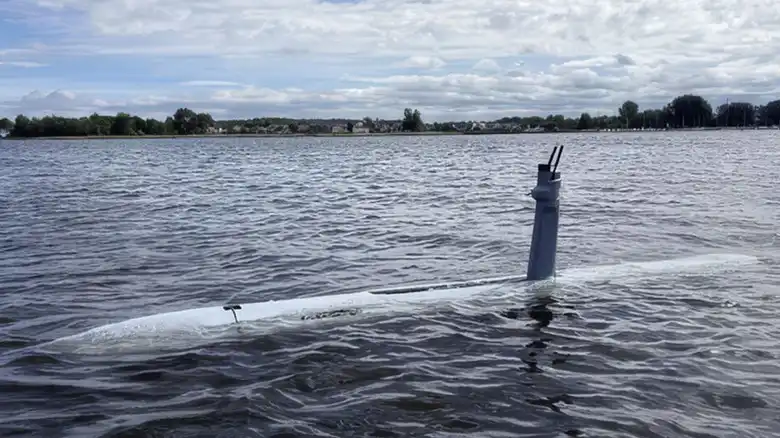
The Ranger is designed around a simple but powerful idea: allowing submarines to gather information and perform missions while remaining hidden underwater. Unlike traditional reconnaissance methods that require a submarine to raise a periscope or expose sensors above the surface, the Ranger can be launched from a distance and act as an external sensor platform.
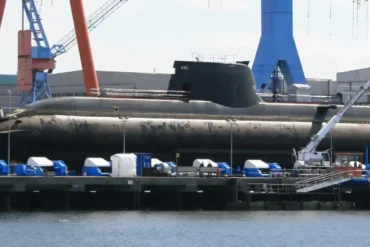
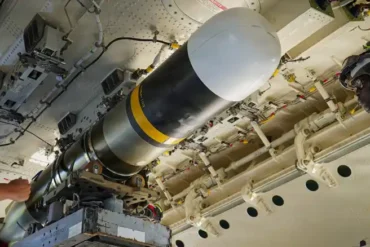
The drone is launched from a standard 21-inch torpedo tube, the same size used by many modern submarines for advanced weapons such as the Mk. 48 torpedo. This compatibility gives navies a potential upgrade path without requiring major modifications to existing submarine designs.
After launch, the Ranger autonomously surfaces and deploys its sensor systems. Its compact design, folding keel, and low profile make it difficult for enemy forces to detect. Measuring approximately 14.76 feet in length, the unmanned vessel combines portability with advanced surveillance capabilities.
The system includes an electric propulsion system and a configurable payload bay, allowing operators to adjust its mission equipment before deployment. This flexibility could make the Ranger suitable for a wide range of naval missions, from intelligence collection to battlefield monitoring.
How The Ranger Naval Drone Could Change Submarine Warfare
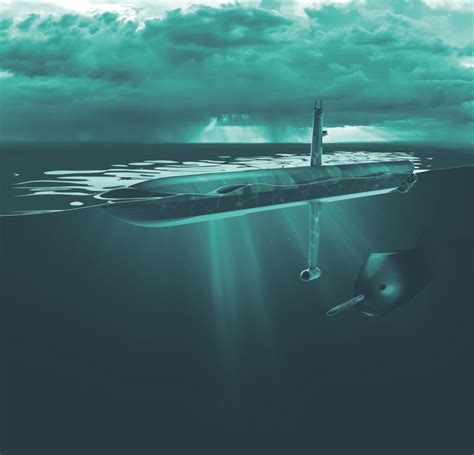
One of the biggest advantages of the Ranger is its ability to separate a submarine from the dangerous task of surface observation. Traditionally, submarines must balance the need for information with the risk of detection. Every time a submarine raises a mast or exposes a sensor, it increases the chance of being located.
The Ranger changes this equation by acting as a remote extension of the submarine. It works almost like an advanced unmanned periscope, allowing commanders to observe surface conditions while keeping the submarine concealed below the water.
This capability could significantly improve submarine survivability in contested environments. A submarine equipped with multiple Ranger drones could potentially monitor larger areas, collect intelligence, and maintain situational awareness without revealing its own position.
The drone’s intelligence, surveillance, and reconnaissance (ISR) functions could also support missions beyond traditional submarine operations. It could assist with coastal monitoring, fleet protection, maritime security, and information gathering before larger military actions.
Ranger Strike Variant Could Add Offensive Capabilities
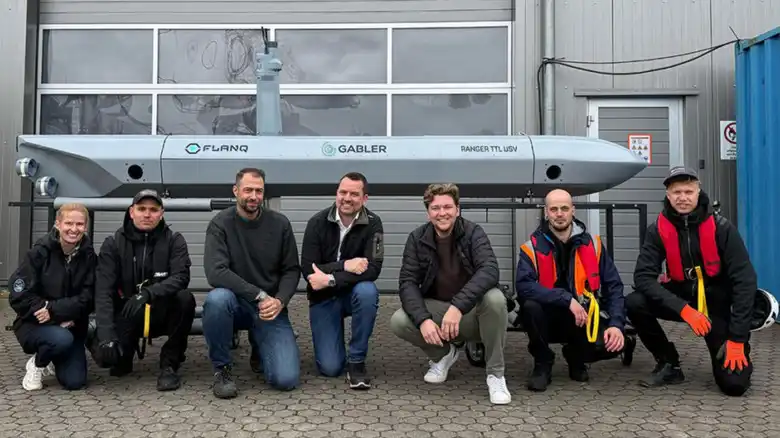
Beyond reconnaissance, Gabler has also revealed plans for another version known as Strike. This variant is expected to provide a one-way attack capability after the Ranger platform completes development and testing.
An armed or attack-focused unmanned surface vessel launched from a submarine could create new tactical possibilities. Submarines would no longer be limited to carrying conventional weapons alone but could deploy smaller autonomous systems capable of reaching areas that may be too risky for crewed platforms.
This approach reflects a broader shift in military strategy, where unmanned systems increasingly complement traditional ships, submarines, and aircraft. Instead of replacing manned platforms, drones are becoming force multipliers that expand operational reach.
Germany’s Naval Drone Technology Could Attract Global Interest
The Ranger remains under development, and additional testing will determine whether it reaches operational service. However, its concept has already attracted attention because it addresses a major challenge in modern naval warfare: how to gather more information while reducing exposure.
As navies around the world invest heavily in autonomous systems, compact submarine-launched drones could become an important part of future fleets. Countries seeking to improve underwater capabilities may see systems like Ranger as a cost-effective way to increase submarine effectiveness without building entirely new platforms.
Germany’s new naval drone demonstrates how innovation in unmanned technology is reshaping military operations. If successfully deployed, the Ranger could become a powerful tool that changes how submarines conduct surveillance, intelligence missions, and future maritime operations.