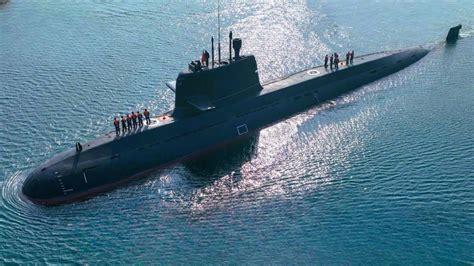
Egypt is embarking on a profound recalibration of its naval modernization strategy in 2026, shifting away from expansive surface fleets toward more cost-effective and high-impact platforms: submarines and unmanned maritime systems. This pivot marks not just a technical upgrade, but a doctrinal transformation shaped by fiscal pressures, evolving regional threats, and a renewed desire for industrial sovereignty.
Geopolitical Drivers and Strategic Imperatives
Facing simultaneous maritime challenges in the Mediterranean Sea, Red Sea, and Suez Canal, Cairo must maintain maritime deterrence, freedom of navigation, and infrastructure security across one of the world’s most geostrategically significant corridors. The 2026 shift emerges against a backdrop of:
- Intensified regional competition, particularly underwater
- Dwindling naval revenues due to Suez Canal disruptions
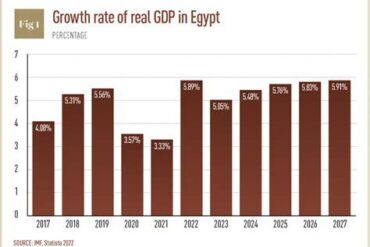
- IMF-backed economic reforms limiting defense expenditure
Instead of conventional force projection via large surface combatants, Egypt’s military planners are now investing in stealth, persistence, and scalability. Submarines and unmanned systems offer these advantages, especially when deployed in chokepoints, littorals, and contested zones where ambiguity is a strategic asset.
Undersea Warfare: From Diesel-Electric Core to Next-Gen Capabilities
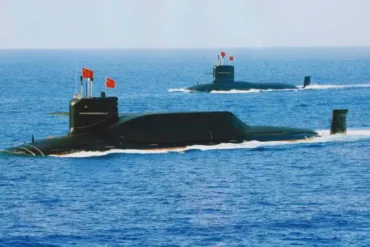
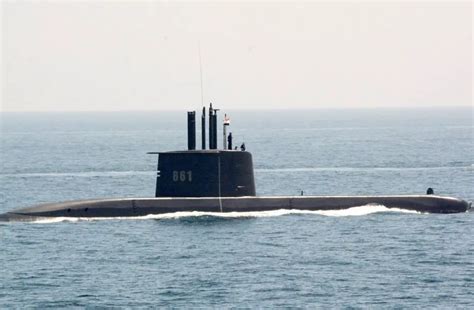
Egypt’s undersea foundation already includes four German-built Type 209/1400mod submarines, delivered between 2016 and 2021. These diesel-electric platforms provide:
- Credible sea-denial capability
- Effective strike options for Eastern Mediterranean and Suez approaches
- Stealthy operations in littoral zones
However, the older Romeo-class submarines are rapidly approaching obsolescence, vulnerable to modern ASW (Anti-Submarine Warfare) threats, and costly to maintain. The new direction in 2026 reflects a desire for next-generation platforms with enhanced endurance, stealth, and local industrial participation.
France’s Barracuda Variant: A Technology Transfer Tug-of-War
Ongoing talks with France over a conventionally powered variant of the Barracuda-class submarine suggest Cairo seeks not only advanced capabilities but also control over production and sustainment. Egypt’s insistence on domestic manufacturing rights, training autonomy, and potential export pathways mirrors recent procurement strategies that favor long-term sovereignty over quick buys.
Spain’s S-80 Plus: A Stealthy Contender
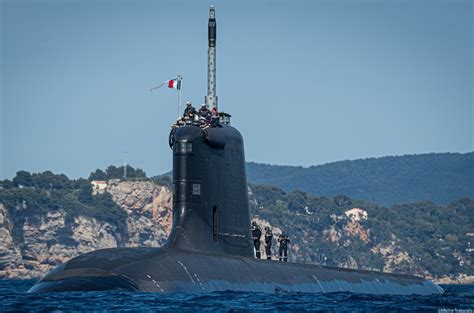
Spain’s S-80 Plus submarine is also in Egypt’s sights. Following a high-profile port call by the Isaac Peral to Alexandria in November 2025, Egyptian assessments praised:
- The platform’s Air-Independent Propulsion (AIP) for extended submerged endurance
- Emphasis on autonomy and stealth, crucial for operations in the Red Sea and Mediterranean
- Alignment with Egypt’s interest in non-escalatory presence, allowing fewer surface deployments
Rise of Naval Autonomy: Egypt’s Unmanned Maritime Push
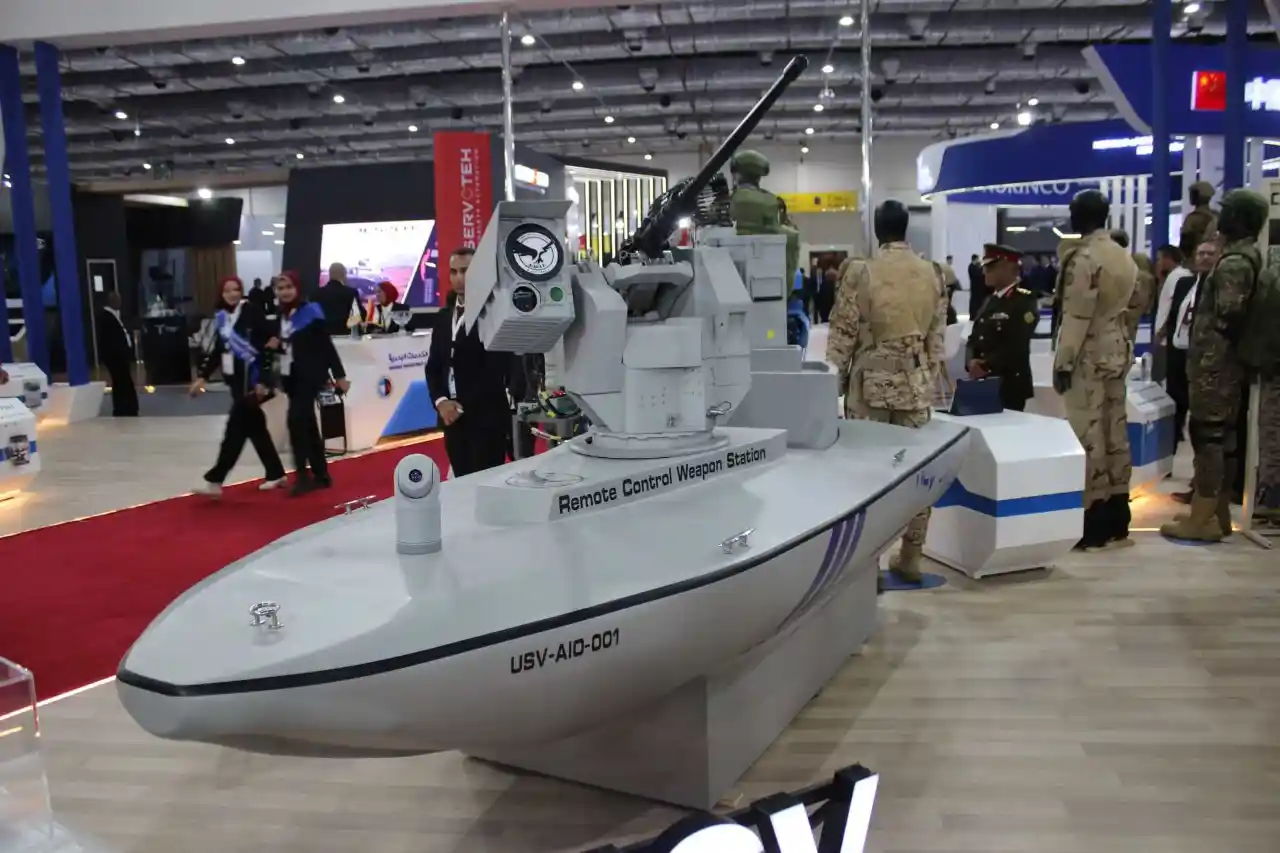
While submarine procurement remains complex and multilateral, the unmanned domain is advancing swiftly, driven by Egypt’s domestic industrial base. At EDEX 2025, Arab International Optronics unveiled the USV-AIO-001, a locally built unmanned surface vessel (USV) equipped with an Eagle-2 remote weapon station, developed in cooperation with Spain’s Escribano.
The vessel’s configuration boasts 70% local content, underlining Cairo’s ambition to:
- Reduce reliance on foreign suppliers
- Scale production of unmanned systems
- Train a domestic workforce in optics, cybersecurity, and AI applications
These USVs are designed to monitor:
- Harbor approaches
- Offshore oil and gas infrastructure
- Busy sea lanes like the Suez Canal
In drone-saturated operational theaters, such unmanned systems are inherently expendable and persistent, providing situational awareness without risking crewed platforms.
Regional Naval Arms Dynamics: Egypt Responds to Rising Undersea Competition
Egypt’s shift cannot be understood in isolation. It comes amid a regional race for underwater superiority:
- Turkey is inducting AIP-equipped submarines and eyeing indigenous designs
- Israel continues strategic messaging around its Dolphin-class submarines, which some analysts believe have second-strike capabilities
- Algeria maintains a formidable Kilo-class fleet, a staple of Russian undersea doctrine
In this context, Cairo’s 2026 focus is not reactive but preemptive—a measured strategy to retain regional deterrence credibility without matching surface fleet for surface fleet. Submarines and unmanned systems are thus force multipliers, not just cost savers.
Industrial Sovereignty: Beyond Procurement to Domestic Capability
Egypt’s 2026 naval strategy underscores a broader shift toward industrial autonomy. The country no longer seeks mere platform acquisition, but intellectual ownership, local production, and sovereign sustainment. This is evident in:
- Demands for tech transfer in submarine negotiations
- Growth in defense-related AI and cyber programs
- Expansion of training pipelines for unmanned systems operations
Partnerships with Spain, France, and other defense innovators are framed less as arms deals and more as capacity-building ventures to seed Egypt’s next-generation defense ecosystem.
Sustainability, Training, and the Logistics Backbone
Even the most advanced fleet fails without readiness and sustainment infrastructure. Egypt appears increasingly aware of this. The renewal of in-service support agreements for key surface combatants reflects a growing appreciation that availability, not just capability, is the ultimate measure of naval power.
As 2026 progresses, three critical indicators will determine the viability of Egypt’s transformation:
- Formalization of AIP submarine acquisition, ideally with substantial local involvement
- Institutionalization of the USV-AIO-001 program, including doctrine, C2 integration, and logistics
- Sustainment reforms, including training modernization and depot expansion, to boost fleet-wide operational readiness
Conclusion: A Leaner, Smarter Egyptian Navy Emerges
Egypt’s 2026 naval modernization blueprint signals a shift from mass to mastery. Rather than chase prestige through capital ships, Cairo is investing in platforms and doctrines that deliver stealth, reach, and resilience at lower operational costs. Submarines and unmanned systems are not just budgetary compromises—they are strategic enablers, designed for a maritime future defined by multipolar threats, rapid escalation, and the increasing utility of discretion over dominance.
In the era of autonomous warfare and asymmetric risk, Egypt is charting a naval path as pragmatic as it is ambitious. The decisions made in 2026 will likely shape the Red Sea and Mediterranean balance of power well into the next decade.