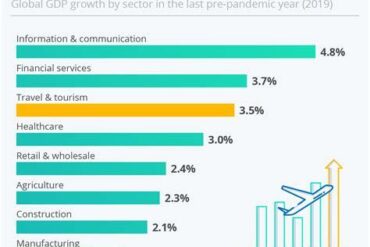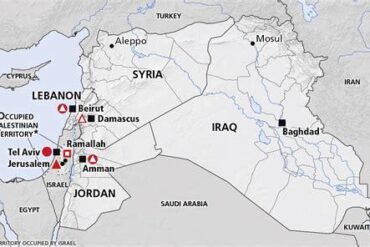
Jordan: An Oasis of Stability in a Turbulent Region
Jordan has long been regarded as a bastion of stability in the Middle East, even as regional conflicts and political unrest have influenced tourism dynamics across the area. Despite ongoing strife in neighboring regions, particularly the recent upheaval in Gaza and fluctuating tensions in nearby countries, Jordan’s tourism sector has exhibited remarkable resilience. The Kingdom has witnessed a 25% increase in visitors from the Gulf Cooperation Council (GCC) and other Arab states, effectively compensating for the decline in Western tourist numbers, particularly from Europe and North America. This surge underscores Jordan’s ability to adapt its tourism strategies in response to shifting market demands and geopolitical challenges.
Navigating Regional Turbulence: The Resilience of Jordan’s Tourism Industry
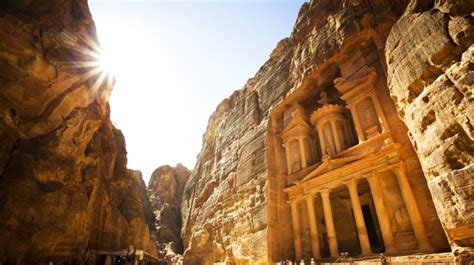
Tourism in Jordan encompasses an array of attractions, from the ancient ruins of Petra, a UNESCO World Heritage site, to the mineral-rich waters of the Dead Sea and the breathtaking desert landscapes of Wadi Rum. However, the ongoing conflict in Gaza and the precarious political situation in surrounding areas have led to temporary flight suspensions by various airlines, significantly impacting the influx of tourists from traditional markets like Europe and North America. Historically, these markets have constituted a substantial portion of Jordan’s tourism revenue, especially in the high-end sector. Nevertheless, the Jordan Tourism Board (JTB) has reported an upswing in international arrivals, with 2.7 million overnight visitors recorded in the first half of 2025. This growth is predominantly attributed to the burgeoning interest from the GCC and other Arab nations. While Western tourists now make up only 18% of overnight visitors—a stark decline—this increase in GCC tourism ensures that Jordan remains a pivotal player in regional travel.
In an interview with Dr. Abdul Razzaq Arabiyat, the Director General of the Jordan Tourism Board, he emphasized the importance of effective communication and marketing strategies in overcoming the challenges posed by regional instability. “We have made a great effort to send the message that Jordan is safe and tourism is running as usual,” he stated, highlighting the necessity of reassuring potential visitors from the GCC and the broader Arab world. This proactive narrative has played a crucial role in attracting regional tourists seeking secure getaways closer to home.
Capitalizing on GCC Tourism: A Strategic Approach
The increase in hotel reservations and tourist arrivals from GCC countries is not merely a temporary fix but rather a strategic component of Jordan’s tourism strategy, aimed at addressing evolving traveler preferences. The GCC region, which includes affluent countries like the United Arab Emirates, Saudi Arabia, and Qatar, has seen a marked shift toward short-haul travel options that do not require extensive planning or long flights. Jordan, with its proximity to major GCC cities such as Dubai, Riyadh, and Doha, has become an attractive destination offering rich cultural experiences and luxurious accommodations.
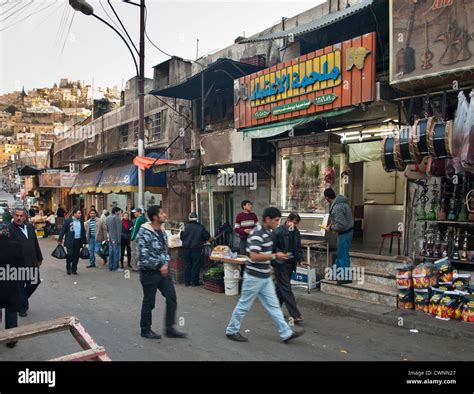
Arabiyat noted the critical importance of focusing on the Gulf markets, recognizing them as vital sources of income for Jordan’s tourism sector. The country is increasingly becoming a favored destination among tourists from the UAE, Saudi Arabia, and Kuwait, as evidenced by the growing interest in key attractions such as Amman, Aqaba, and Petra. Beyond cultural and historical significance, Jordan is also appealing to GCC travelers through its burgeoning luxury offerings. Upscale hotels and wellness resorts along the Dead Sea, along with high-end accommodations in Amman and Aqaba, cater to the increasing demand for luxury travel experiences in the region.
Cultural Richness: A Magnet for GCC Tourists
The Kingdom of Jordan is renowned for its wealth of cultural and historical sites, making it a prime destination for culturally inclined travelers. Notable attractions include Petra, famed for its stunning rock-cut architecture, and the therapeutic Dead Sea, celebrated for its unique properties and natural beauty. The Jordanian tourism sector has recognized the need to forge deeper connections with visitors, particularly those from the GCC, by offering experience-based travel opportunities.
Adventurous tours, traditional Bedouin camping experiences in Wadi Rum, and culinary excursions showcasing authentic Jordanian dishes are gaining traction among travelers seeking immersive experiences. These tailored experiences allow tourists to engage with Jordan’s rich history and culture in innovative ways, transforming their trips into more than just sightseeing excursions. Furthermore, Jordan is leveraging technology to enhance visitor experiences. The implementation of smart tourism initiatives, including virtual tours of Petra and interactive apps guiding guests through historical landmarks, positions Jordan as a competitive player in the ever-evolving digital travel landscape.
Strategic Communication: Overcoming Perceptions of Insecurity
In light of the region’s instability, Jordan has invested heavily in comprehensive communication and marketing strategies aimed at dispelling negative perceptions and reinforcing its image as a safe travel destination. Tourism authorities have worked diligently to combat misconceptions about security, demonstrating that Jordan remains a welcoming and stable environment for tourists.
By collaborating with major tourism industry stakeholders in the GCC and beyond, Jordan has successfully highlighted its status as a safe haven amidst regional turmoil. This collaborative approach extends to forming alliances with international travel agents, tour operators, and social media influencers to amplify the message of safety and the diverse potential of Jordan as a travel destination. Leveraging platforms such as social media, blogs, and partnerships with leading global travel brands, Jordan is effectively maintaining its position as a top choice for both Middle Eastern and international travelers.
Economic Impact of Regional Tourism on Jordan
The uptick in tourist numbers from GCC countries yields significant economic benefits for Jordan, as the tourism, service, and retail sectors are integral to the national economy. An increase in hotel bookings has led to higher occupancy rates, which in turn benefits the aviation industry by filling more airline seats bound for Jordan. This positive trend extends to the broader tourism infrastructure, providing a much-needed boost to the economy following the adverse effects of the Gaza conflict and other disturbances.
Moreover, Jordan’s emphasis on regional tourism has facilitated the diversification of its tourist demographic, reducing dependence on Western markets that can be volatile due to geopolitical fluctuations. By courting travelers from the GCC, Jordan is fostering a more resilient and adaptable tourism industry, positioning itself to withstand the challenges posed by global uncertainties.
A Bright Future for Jordan’s Tourism Sector
Despite the ongoing geopolitical tensions and the shifting landscape of international tourism, Jordan’s tourism sector continues to demonstrate remarkable resilience and adaptability. The holistic approach to attracting GCC vacationers, coupled with a personalized focus on visitor experiences, has enabled Jordan to offset the decline in Western tourists and propel the growth of its tourism industry.
By seamlessly integrating local culture, historical significance, and cutting-edge technology trends, Jordan is poised to emerge as a premier regional destination where modern travelers can fulfill their vacation aspirations. As international tourism gradually recovers, Jordan’s ability to evolve and diversify its offerings positions it as a leader in the Middle Eastern tourism market. Given its rich cultural heritage, warm hospitality, and the unique experiences it provides, the future of tourism in Jordan appears bright and promising.