Ryanair has postponed the planned resumption of 17 routes linking Europe with Amman, Jordan, pushing their return from July 2026 to the start of the airline’s winter schedule in late October. The move affects services from airports across Western, Central, and Eastern Europe and reflects the continuing uncertainty surrounding security conditions in the Middle East.
As Europe’s largest airline, Ryanair operates an enormous network that accounts for roughly one out of every six short-haul flights in Europe. During the peak summer season, the carrier is scheduled to operate approximately 3,840 daily round-trip flights, making even relatively small schedule adjustments significant for thousands of passengers and numerous airports.
The latest network update reveals that all 17 affected routes were originally expected to restart during July. However, the airline has now delayed operations until October 25, the date when many European carriers transition to the International Air Transport Association’s winter scheduling season.
For Ryanair, the decision is particularly notable because Amman’s Queen Alia International Airport (AMM) is currently the carrier’s only planned destination in the Middle East for 2026. The airline ceased flying to Israel in 2025, leaving Jordan as its sole remaining regional market.

Why Ryanair Has Delayed Flights to Jordan
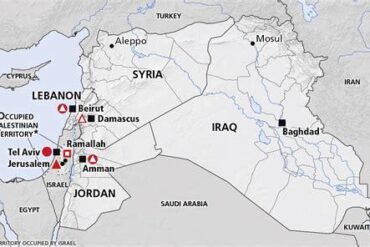
The suspension comes amid continuing geopolitical instability across the region. While Jordan itself remains a major aviation gateway, airlines operating in nearby airspace have been carefully monitoring developments related to the ongoing conflict involving Iran and wider regional security concerns.
Industry schedule data indicates that Ryanair last operated flights to Amman in mid-March. Although a July return remained visible in reservation systems for some time, aviation analysts viewed those schedules largely as placeholders pending a clearer operating environment.
By shifting the restart date to late October, Ryanair gains additional flexibility while reducing the risk of repeated short-term cancellations. The airline can continue evaluating conditions throughout the summer before committing aircraft and crew resources to the market.
The decision does not necessarily indicate a permanent reduction in service. Instead, it highlights how airlines increasingly use schedule adjustments to respond quickly to changing operational realities.
The 17 Routes Affected by the Suspension
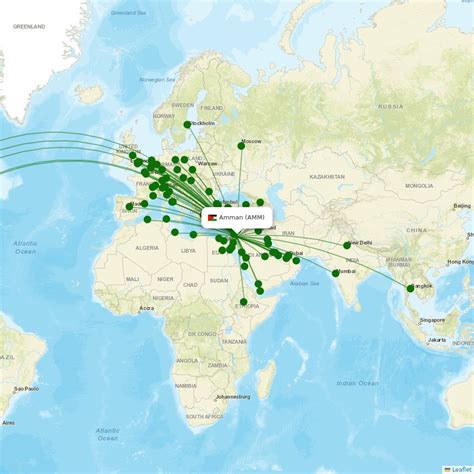
The delayed routes connect Amman with a broad range of European cities and secondary airports, many of which are key components of Ryanair’s low-cost strategy.
The affected routes include:
- Amman – Vienna (VIE)
- Amman – Beauvais/Paris (BVA)
- Amman – Bergamo/Milan (BGY)
- Amman – Bologna (BLQ)
- Amman – Budapest (BUD)
- Amman – Brussels Charleroi (CRL)
- Amman – Karlsruhe (FKB)
- Amman – Kraków (KRK)
- Amman – Marseille (MRS)
- Amman – Memmingen/Munich region (FMM)
- Amman – Bucharest (OTP)
- Amman – Poznań (POZ)
- Amman – Prague (PRG)
- Amman – Pisa (PSA)
- Amman – Rome Ciampino (CIA)
- Amman – Sofia (SOF)
- Amman – Madrid (MAD)
Most of these services were planned as weekly flights, while Vienna was scheduled twice weekly and the Amman route itself was expected to receive three weekly frequencies within the network planning framework.
Limited Direct Competition Across the Network
One interesting aspect of Ryanair’s Jordan operation is the relatively limited airport-to-airport competition it faces.
When these routes eventually return, only a handful will encounter direct competitors operating between the same airport pairs. According to schedule data, notable competition exists on routes involving Budapest, Bucharest, Madrid, and Vienna.
Competitors include carriers such as Wizz Air, Royal Jordanian, Austrian Airlines, Dan Air, and TAROM. However, the competitive picture changes considerably when viewed at the city level rather than the airport level.
For example, Ryanair serves many secondary airports that support larger metropolitan regions. Paris Beauvais, Brussels Charleroi, and Rome Ciampino all function as lower-cost alternatives to their respective primary airports. In those broader city markets, passengers often have access to competing airlines operating from different airports.
Amman Remains Strategically Important
Despite the latest delay, Amman continues to hold strategic importance within Ryanair’s network. Since launching operations to Jordan approximately eight years ago, the airline has scheduled more than 2,700 departures to the country.
The route network demonstrates Ryanair’s willingness to connect destinations that might appear unconventional at first glance. Rather than focusing exclusively on major capitals, the airline frequently links regional European cities directly with Middle Eastern destinations.
This approach helps stimulate demand by offering affordable nonstop travel options that might not otherwise exist. It also supports tourism, visiting-friends-and-relatives traffic, and growing business connections between Europe and Jordan.
The Surprising Success of Poznań–Amman
Among the suspended routes, one of the most intriguing is the connection between Poznań, Poland, and Amman.
Poznań is Poland’s fifth-largest city, yet it maintains a direct air link to Jordan through Ryanair. The route began operating in late 2021 and has remained active long enough to demonstrate sustained passenger demand.
Recent booking figures showed approximately 11,900 round-trip seats offered on the route during 2025. Around 10,400 seats were filled, resulting in an estimated load factor of 87%. While slightly below Ryanair’s overall average, the performance was evidently strong enough to justify keeping the route in the network.
The example illustrates a broader Ryanair strategy: routes do not need to connect major global hubs to succeed. If passenger demand supports profitable operations, the airline is willing to maintain links between cities that many travelers would never expect to see connected by nonstop service.
What Happens Next?
For now, passengers planning travel between Europe and Jordan should expect Ryanair’s affected routes to remain unavailable until October 25, 2026, subject to further review.
The airline’s future decisions will largely depend on regional developments, operational assessments, and market demand. Should conditions stabilize more quickly than expected, schedules could change again. Conversely, any escalation in regional tensions could lead to additional revisions.
What remains clear is that Ryanair continues to view Amman as an important destination, even as short-term uncertainty forces the airline to delay the return of one of its most distinctive route networks connecting Europe and the Middle East.