The wave of flight cancellations to Israel continues to ripple across the global aviation sector as multiple major airlines have opted to extend or delay the resumption of service to Tel Aviv, citing persistent regional instability and security concerns. While some carriers are cautiously restarting operations, a significant number of prominent airlines have chosen to maintain or deepen their suspensions—a move that underscores the fragility of commercial air connectivity in the region.
Despite gradual improvements in certain parts of the Middle East, airlines are exercising heightened caution, particularly over the airspace surrounding Ben Gurion Airport. The unpredictability of the security landscape continues to influence commercial aviation planning.
Lufthansa Group Leads Widening Suspension Through Late June
The Lufthansa Group, which encompasses Lufthansa, SWISS, Austrian Airlines, Brussels Airlines, and Eurowings, has announced the extension of its Tel Aviv service suspension through June 22. This cautious stance reflects not only operational risk management but also the group’s historical sensitivity to regional dynamics. Lufthansa, known for its rapid crisis response strategies, had earlier suspended operations in October 2023 and has continually assessed the situation in two-week intervals.
The broader implication of this decision resonates across the group’s feeder network. For instance, Austrian Airlines’ Vienna-Tel Aviv route served as a critical link for Eastern European and Balkan passengers. By halting this service, the ripple effect reaches beyond the primary route, affecting tourism, business travel, and diplomatic mobility.
European Carriers Take Varied Stances Amid Uncertainty
While the Lufthansa Group remains conservative, other European carriers have charted divergent timelines for their return to Israel. ITA Airways, Italy’s national flag carrier, also opted to extend its cancellation until June 22. Meanwhile, LOT Polish Airlines, with strong historical links to Israel through its Warsaw hub, pushed its suspension through June 15, signaling a tentative approach that leaves room for rapid redeployment if conditions improve.
On the more extreme end, Iberia Express, the Spanish low-cost branch of Iberia, has paused operations through June 30, and British Airways, one of the UK’s premier global carriers, has joined Ryanair in extending their respective suspensions until July 31.
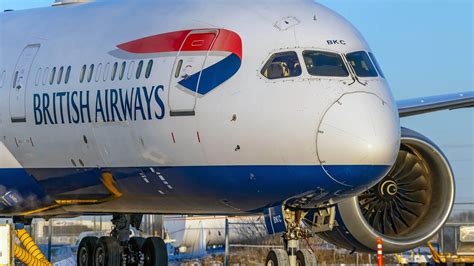
This prolonged absence from the Israeli market disrupts a vital bridge between Western Europe and Tel Aviv, which traditionally sees strong traffic during the summer months, particularly among leisure travelers and diaspora communities.
Air India, EasyJet, and Air Canada Signal Long-Term Strategy Shifts
From outside Europe, the picture remains equally cautious. Air India, which has long positioned itself as a crucial carrier between South Asia and the Middle East, will now remain absent from the Israeli airspace until June 18. This further complicates travel plans for thousands of passengers connecting via New Delhi and Mumbai.
Meanwhile, EasyJet, the budget carrier with a heavy presence across Southern and Central Europe, has delayed its return to Tel Aviv until the end of June, affecting its network of short-haul leisure travelers from destinations like Berlin, Milan, and Paris.
Perhaps the most notable shift comes from Air Canada, which has postponed its planned June 8 return until September 2025, effectively signaling a strategic withdrawal from the Israeli market for more than a year. This extended delay raises questions about the airline’s long-term commitment to Tel Aviv and whether market reentry will be reevaluated entirely.
Ryanair Takes a Hard Pause; Air Seychelles Follows Suit
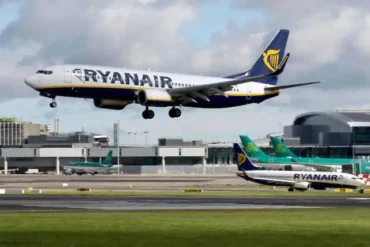
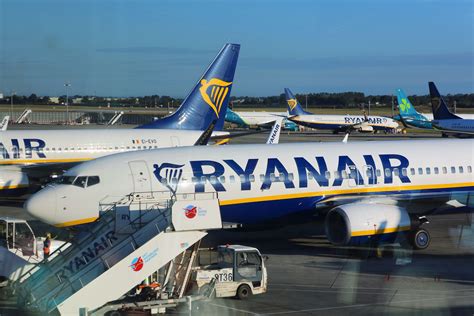
Ryanair, Europe’s largest low-cost carrier by passenger volume, and Air Seychelles, which provides critical links from the Indian Ocean region, have both opted to suspend services until July 31. Ryanair’s decision reflects broader concerns among low-cost operators, which typically operate on tighter margins and must manage route risk with greater precision.
Air Seychelles’ withdrawal, though representing a smaller passenger volume, is strategically significant as it cuts off a rare non-stop leisure link between Africa and Israel, further isolating Tel Aviv from inbound tourism markets.
United, Delta, and Others Resume Service — A Glimmer of Reconnection
Amid these widespread extensions and cancellations, a select group of airlines has resumed operations, offering a measured sense of optimism. Leading this effort is United Airlines, one of the first North American carriers to return to Tel Aviv. United’s decision to restart flights sends a signal of cautious confidence and reflects the airline’s established operational infrastructure in Israel.
Similarly, Delta Air Lines and European stalwarts Air France and KLM have re-entered the Israeli market, joining Aegean Airlines, Ethiopian Airlines, Air Baltic, and Transavia. These carriers have strategically timed their returns to coincide with incremental stability in air traffic control zones and enhanced airport security protocols.
While these resumed operations remain limited in scope, they provide a lifeline for essential travel, particularly for dual nationals, business travelers, and diplomats who require consistent access to Israel despite ongoing challenges.
Security Concerns Dictate Airline Decision-Making
At the heart of these decisions lies a common denominator: airspace security. The recent volatility in regional conflict zones, particularly the concerns over anti-aircraft activity and proximity to active military zones, continues to weigh heavily on airline route planning teams.
Airlines rely on real-time intelligence from national aviation authorities, including NOTAMs (Notices to Airmen) issued by the Israeli Civil Aviation Authority, the European Union Aviation Safety Agency (EASA), and the Federal Aviation Administration (FAA) in the U.S. When threat levels rise or remain indeterminate, the response is often to err on the side of caution, resulting in conservative scheduling or blanket suspensions.

Moreover, insurance premiums for flights entering potentially hazardous airspace can spike dramatically, making even low-frequency routes economically untenable. For many carriers, the risk calculus involves balancing passenger demand with the liability of flying into uncertain zones.
Economic and Diplomatic Repercussions of Prolonged Suspensions
The economic consequences of continued cancellations are multifaceted. For Israel, the decline in inbound tourism and business travel affects sectors ranging from hospitality to international trade. Hotels in Tel Aviv and Jerusalem, already operating below normal capacity, face further booking slumps as summer peak season approaches.
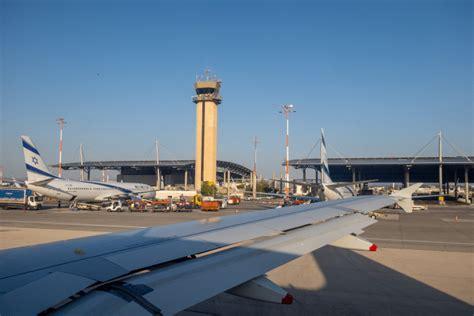
For airlines, the absence from a previously profitable route translates into lost revenue, reduced aircraft utilization, and a diversion of crew and maintenance resources. Additionally, slots at Ben Gurion Airport, once fiercely competitive among global carriers, now sit open, awaiting reinstated demand.
From a diplomatic standpoint, air connectivity often mirrors bilateral relations. The decision by some state-owned carriers to delay return flights may reflect not only security assessments but also governmental positions on regional developments. Conversely, the return of United and Delta could be interpreted as confidence-building signals aligned with broader foreign policy trends.
Future Outlook: Measured Optimism or Protracted Pause?
The current situation presents two parallel paths: one in which the resumption of flights gradually expands, restoring international air corridors to Israel, and another where ongoing tensions trigger fresh waves of cancellations. For now, the reality remains a fragmented tapestry of operational readiness, strategic withdrawal, and hesitant reengagement.
As the summer unfolds, passenger sentiment, real-time security data, and governmental advisories will all shape the recovery trajectory. Airlines with deeper historical ties to Israel—such as El Al, Lufthansa, and Air France—may lead the return, but low-cost carriers, operating under stricter financial parameters, are likely to remain on the sidelines longer.
Until then, passengers and travel agencies must navigate a dynamic and often confusing landscape where flight schedules remain subject to rapid change, and confirmed tickets can vanish overnight.