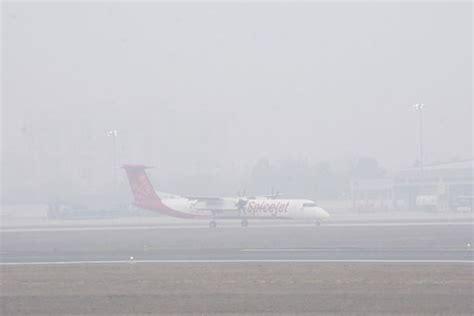
Severe weather has plunged Brazil’s aviation sector into crisis as LATAM Brasil, Aerolineas Argentinas, Azul, GOL, ITA, Sky Airline, Iberia, Azul Conecta, and Euroatlantic Airways face sweeping flight delays and cancellations across multiple airports. The storm’s effects have rippled through the country’s busiest terminals—including São Paulo-Guarulhos, Galeão, Congonhas, Brasília, Viracopos, Afonso Pena, Guararapes, and Salvador—impacting over 150 flights and leaving thousands of passengers stranded.
Brazilian Aviation Paralyzed by Freezing Rain and Winds
The source of the disruption is a powerful cold front moving northward from southern South America, bringing with it freezing rain, gusting winds, and dangerously low visibility. These conditions have crippled Brazil’s air travel network, forcing airlines to alter flight paths, reschedule operations, and cancel services altogether. While bad weather is not new to Brazil’s aviation system, the scale and intensity of this storm have created a rare convergence of operational breakdowns.

São Paulo-Guarulhos (GRU): The Epicenter of Disruption
São Paulo-Guarulhos International Airport, Brazil’s busiest aviation hub, has borne the brunt of the storm’s wrath. As of July 1, 39 flights were delayed, and 12 were outright canceled. Airlines like LATAM Brasil, Azul, and GOL were among the worst-hit, with passengers forced to wait for hours or seek alternative transportation. The magnitude of disruptions at Guarulhos created a domino effect, pushing operational chaos to other parts of the national air network.
The airport’s limited ability to handle diverted traffic worsened the crisis. With taxiways slick from freezing precipitation and visibility dropping below acceptable thresholds, airport authorities restricted runway access, causing inbound flights to circle or divert, while outbound flights sat grounded.
Galeão International (GIG): Rio Battles the Storm
Over in Rio de Janeiro, Galeão International Airport reported 17 delayed flights. While no cancellations were officially confirmed, the delays significantly impacted operations for Aerolineas Argentinas, Iberia, and Azul. Passengers connecting to international routes were particularly affected, with many missing overseas flights due to cascading delays from earlier domestic legs.
Galeão’s operations were somewhat insulated due to its coastal location, which provided slightly more stable wind patterns. However, bursts of horizontal rain and lightning activity temporarily shut down ground services, further slowing down departures.

Brasília (BSB): Capital Airport Sees Growing Delays
The Presidente Juscelino Kubitschek International Airport in Brasília suffered 16 delays and two cancellations. The storm’s movement inland meant that the capital faced frequent weather disruptions throughout the day. LATAM Brasil again reported the highest number of impacted flights, with operations to São Paulo, Belo Horizonte, and international hubs delayed up to three hours.
While the number of cancellations in Brasília was lower compared to other airports, infrastructure limitations, such as limited de-icing equipment and congested terminals, amplified the effects on passengers and crews.
Congonhas (CGH): Domestic Routes Grind to a Halt
At São Paulo-Congonhas Airport, delays reached critical mass with 22 flights behind schedule. The airport, which mainly services domestic routes, became logistically overwhelmed as passengers seeking connections to unaffected airports created mass bottlenecks in the terminal.
LATAM Brasil again topped the list of delayed departures. With visibility at runway threshold levels, flights were temporarily grounded for intervals of 30 minutes to an hour, during which flight schedules collapsed and recovery planning became nearly impossible.
Viracopos (VCP): A Hub Under Strain
The Viracopos International Airport, located in Campinas, reported 22 delays and four cancellations. The airport is a strategic secondary hub, and disruptions here had far-reaching consequences, especially for Azul, which maintains a significant operational presence. LATAM also reported rerouted flights and crew timing violations, which contributed to the operational logjam.
As flights were rerouted into and out of Viracopos, gate availability dwindled, forcing planes to hold on taxiways, while ground crews struggled to process incoming passengers.
Afonso Pena (CWB): Curitiba Freezes in the Wake
In the southern city of Curitiba, Afonso Pena International Airport suffered 11 delays and three cancellations. The lower temperatures in this region made freezing rain more persistent, complicating runway operations. LATAM Brasil and Azul both reported difficulty in maintaining normal departure sequencing, and several flights to Porto Alegre and São Paulo were rerouted.
The smaller scale of this airport meant fewer operational buffers, increasing the severity of even minor delays.
Guararapes (REC): Recife’s Storm Surge
Guararapes International Airport, serving Recife, saw 19 delayed and four canceled flights. Coastal winds created erratic conditions that affected approach paths, leading to missed landings and extended holds. Azul Conecta, the regional branch of Azul, and LATAM Brasil both recorded multiple service interruptions.
Several aircraft diverted to nearby airports, including João Pessoa and Maceió, which were themselves under increasing pressure from the redirected traffic.
Salvador (SSA): Delays Escalate
Deputado Luis Eduardo Magalhães International Airport in Salvador reported seven delayed and two canceled flights. While not as severely affected as the southeastern terminals, Salvador’s situation became more complicated by the ripple effect from delayed incoming flights. LATAM and Azul again emerged as the most affected carriers.
Flight crews reached maximum duty limits, resulting in flights being grounded for safety compliance reasons, regardless of weather conditions.
Meteorologists Warn of More Chaos Ahead
Weather experts are sounding the alarm that the cold front currently affecting southern Brazil is only gaining strength. With more freezing rain, heavy winds, and low visibility expected in the coming days, there is a growing likelihood of even deeper disruptions across the airspace.
Airports in Minas Gerais, Paraná, and São Paulo State are bracing for further operational challenges. Air Traffic Control (ATC) has already issued multiple warnings to pilots, urging heightened vigilance and preparing for possible airspace closures in the worst-hit areas.
Airlines React with Contingency Measures
Faced with mounting operational strain, airlines are deploying every available resource. LATAM Brasil, Azul, and GOL have initiated:
- Flexible rebooking policies allowing free itinerary changes
- Dedicated crisis response teams at major airports
- Crew reassignment operations to prevent schedule collapses
- Onboard delay kits to support passengers on tarmac holds
Nevertheless, these measures are temporary band-aids against a storm system that is still evolving in intensity and coverage.
Passengers Left in Limbo
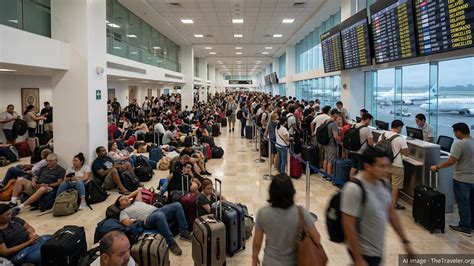
For travelers caught in the chaos, the situation is grim. Stories abound of missed connections, overnight stays on terminal floors, and multi-hour customer service waits. With poor weather expected to last at least another 72 hours, travelers have few guarantees.
What to Expect in the Coming Days
As airlines and airports adapt in real-time, passengers are advised to:
- Check flight status frequently via airline apps or websites
- Avoid unnecessary travel if flexibility exists
- Arrive early to navigate last-minute gate changes and extended security queues
- Stay updated with local news for storm progression updates
The Brazilian aviation sector is facing one of its most prolonged weather-related crises in recent years. As the skies darken further, all stakeholders—from airlines and airports to meteorologists and government agencies—will be tested in their ability to keep the system aloft.