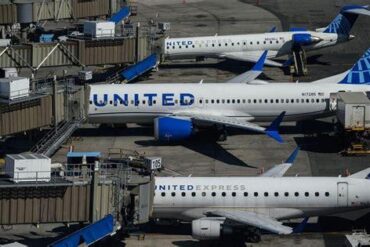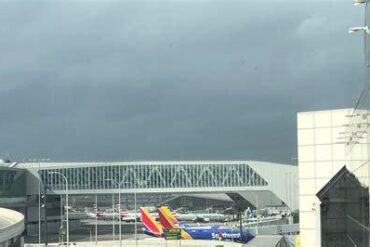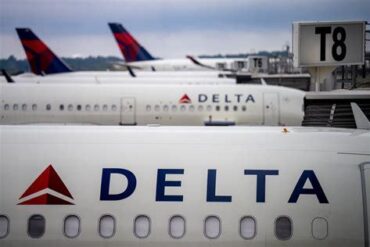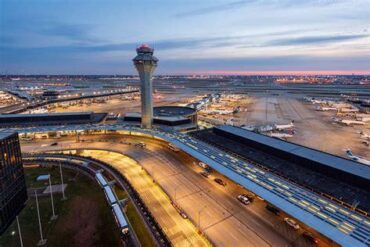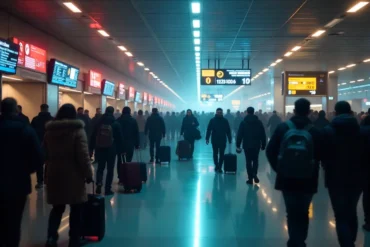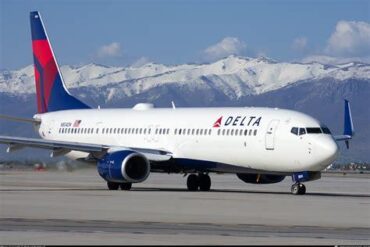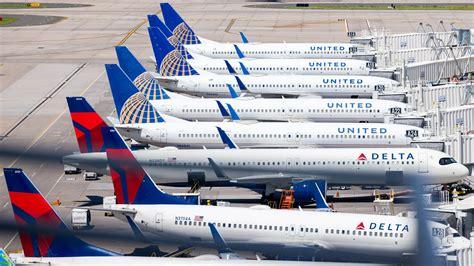
On July 14, 2025, the U.S. aviation network faced its most severe disruption of the year as American Airlines, United Airlines, and Delta Air Lines were forced into widespread operational collapse. Triggered by intense summer storms sweeping across the East Coast and Midwest, more than 1,000 flights were canceled or delayed across core hubs like Newark Liberty, Hartsfield-Jackson Atlanta, and Dallas-Fort Worth, stranding thousands of travelers amid logistical chaos.
Nationwide Chaos as Weather Paralyzes U.S. Airports
From Newark Liberty (EWR) to Dallas-Fort Worth (DFW), airports across the country saw their scheduling systems overwhelmed by lightning strikes, runway floods, and low visibility conditions. At the heart of the crisis were the major operators: United, American, and Delta, each struggling to maintain operational stability amid near-constant weather disruptions.
At Newark Liberty, United’s primary hub, cancellation rates soared as 86 flights were grounded and 89 delayed. Saturated runways and choked taxiways led to rolling delays throughout the afternoon and evening, causing widespread frustration. Equally severe disruptions were reported at LaGuardia, where regional bottlenecks trapped both American and Delta services in a continuous backlog.
At JFK International, while outright cancellations were lower, delay counts reached a staggering 293 flights, positioning JFK as the most delayed airport nationwide during the chaos. Delta’s high-frequency transatlantic services faced sustained turbulence in operations, particularly from mid-day onwards.
Delta’s Atlanta Hub Overrun Amid Peak Summer Operations
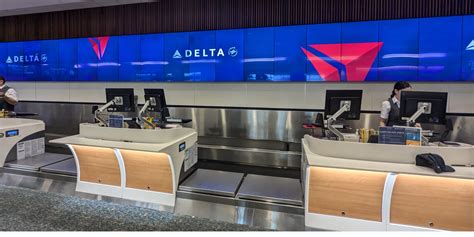
At Atlanta’s Hartsfield-Jackson International Airport (ATL) — Delta’s global control point — the crisis reached acute levels. The airport logged 326 delays, the highest in the nation for the day, combined with 37 outright flight cancellations. Tight aircraft turnaround schedules and the lack of available slots exacerbated the problem, trapping Delta’s southern network in operational paralysis.
Even for American Airlines, which relies heavily on its Dallas-Fort Worth (DFW) base, the day was catastrophic. With 42 cancellations and 293 delays registered at DFW, American’s domestic network buckled under the strain, creating a ripple effect that impacted transcontinental connections and regional flights alike.
Detailed Breakdown: Where Each Airline Failed
At Newark Liberty, the situation was particularly grim for United Airlines:
- United Airlines: 86 flights canceled (15%), 89 delayed (15%)
- American Airlines: 7 canceled (19%), 7 delayed (19%)
- Delta Air Lines: 3 canceled (7%), 8 delayed (19%)
LaGuardia Airport saw narrow runway configurations and limited recovery opportunities compounding airline troubles:
- Delta Air Lines: 13 canceled (7%), 18 delayed (10%)
- American Airlines: 4 canceled (4%), 17 delayed (17%)
- United Airlines: 2 canceled (3%), 6 delayed (10%)
At JFK, delays dominated:
- Delta Air Lines: 9 canceled (3%), 44 delayed (16%)
- American Airlines: 1 canceled, 24 delayed (17%)
Reagan National Airport also struggled as American Airlines bore the brunt of regional disruption:
- American Airlines: 9 canceled (5%), 20 delayed (12%)
- Delta Air Lines: 6 canceled (11%), 8 delayed (15%)
- United Airlines: 1 canceled (2%), 3 delayed (6%)
At Chicago O’Hare, shared impacts were recorded:
- American Airlines: 7 canceled (1%), 68 delayed (16%)
- United Airlines: 10 canceled (1%), 54 delayed (8%)
- Delta Air Lines: 2 canceled (2%), 13 delayed (17%)
Orlando and Denver: Vacation and Business Travel in Turmoil
Tourist-heavy Orlando International (MCO) saw family vacationers face extensive disruptions:
- American Airlines: 4 canceled (3%), 26 delayed (25%)
- Delta Air Lines: 4 canceled (3%), 29 delayed (26%)
- United Airlines: 2 canceled (1%), 7 delayed (10%)
At Denver International Airport (DEN), hub operations struggled to regain rhythm:
- United Airlines: 9 canceled (1%), 69 delayed (10%)
- American Airlines: 2 canceled (3%), 16 delayed (30%)
- Delta Air Lines: 1 canceled (1%), 6 delayed (8%)
United faced the greatest passenger impact here due to its significant Denver-based operations.
Numbers Tell the Story: Carrier Disruption Totals
- American Airlines: 53+ cancellations, 394+ delays (Worst Hub: Dallas-Fort Worth)
- United Airlines: 116+ cancellations, 300+ delays (Worst Hub: Newark Liberty)
- Delta Air Lines: 58+ cancellations, 366+ delays (Worst Hub: Atlanta Hartsfield-Jackson)
Why Recovery Failed: The Fragility of U.S. Aviation Networks
Airline experts point to an infrastructure stretched thin by summer demand and overly tight schedules. Recovery was impossible as air traffic control, saturated airspace, and relentless weather combined to overwhelm even seasoned carriers. Aircraft rotation windows were too narrow to absorb disruptions, and regional operations proved unable to handle mounting backlogs.
Delta’s issues at Atlanta, American’s gridlock at Dallas-Fort Worth, and United’s Newark meltdown revealed that hub-based operations amplify systemic risks during severe weather. Once bottlenecks formed, there were few options for rerouting or accelerating recovery.
What Travelers Can Do in Future Crises
As the U.S. aviation system reveals its limits, travelers must adapt to avoid becoming stranded:
- Monitor flights hourly using official airline apps for live updates.
- Choose morning departures to minimize the domino effect of accumulated delays.
- Allow generous connection times, especially through major hubs.
- Opt for refundable or flexible tickets, avoiding non-refundable fares during peak weather seasons.
Conclusion: A Warning Sign for U.S. Air Travel Stability
The events of July 14, 2025, mark a stark reminder: even the largest U.S. airlines can buckle under the weight of operational pressure when hit by the perfect storm of weather, airspace saturation, and scheduling constraints. For American, United, and Delta, the storm exposed critical vulnerabilities. With peak summer travel still underway, these disruptions might not be the last.
The question now facing airline executives and federal regulators alike is clear: Can the U.S. aviation network adapt, or will passengers remain vulnerable to future collapses?