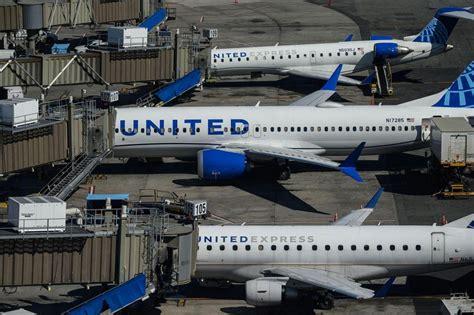
Fierce summer storms sweeping across key regions of the US triggered a massive wave of flight disruptions, grounding over 2,000 flights operated by American Airlines, Air Canada, United, JetBlue, Delta, Southwest, and other major airlines at top airports including Dallas-Fort Worth, Chicago O’Hare, LaGuardia, Newark, Boston Logan, and Washington Dulles. The widespread delays and cancellations were caused by severe weather systems bringing lightning, heavy rain, and poor visibility, overwhelming air traffic control and airport operations from Texas to the Northeast. With airlines already stretched thin amid peak summer demand, the sudden weather event pushed the U.S. air travel system into chaos, stranding thousands of passengers and rippling delays nationwide.
Dallas-Fort Worth Grinds to a Halt Under Severe Storms
Dallas-Fort Worth International Airport (DFW) emerged as one of the hardest hit locations in the country, with 509 flights delayed and 11 cancelled on a single day. The overwhelming majority of these disruptions came from American Airlines, which holds its largest hub at DFW. The airline reported a staggering 304 delays—impacting over a quarter of its daily operations from the airport—alongside 8 flight cancellations. Regional partners like PSA Airlines and SkyWest added another 25 and 31 delays respectively, compounding the situation. Even international operators were caught in the turmoil. Air France, Iberia, Japan Airlines, and Emirates all registered high delay percentages, some reaching 50%. Air Canada, Cathay Pacific, and Fiji Airways also experienced weather-related schedule slips, despite operating a smaller number of flights at the Texas hub. Thunderstorms passing through North Texas forced multiple ground stops and created severe airspace congestion, resulting in missed departure windows, diverted aircraft, and hold patterns that burned into crew duty times—pushing many crews past legal limits and leading to additional last-minute cancellations.
O’Hare Faces Major Disruptions as Midwest Storm Front Moves East
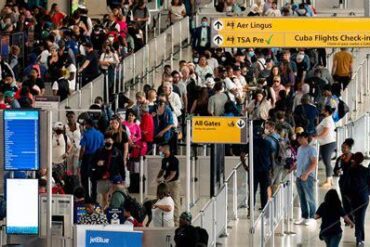
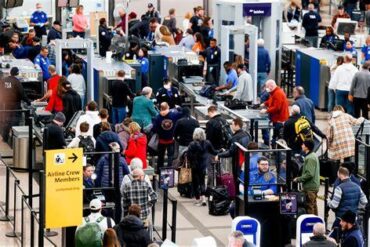
Chicago O’Hare International (ORD), one of the busiest hubs in the Midwest, did not escape the wrath of the storm system either. It recorded 317 delays and 10 cancellations as unstable weather patterns moved into the region. United Airlines, based out of Chicago, reported 57 delayed flights and 8 cancellations, struggling to maintain its tight regional and long-haul connections. American Airlines fared no better, with 93 delays and 1 cancellation, as its regional feeder network fell into disarray. Smaller carriers such as GoJet, Republic, and SkyWest contributed dozens of additional delays. International carriers serving O’Hare also took a hit. Swiss, TAP Air Portugal, Lufthansa, and China Southern Airlines each registered delay rates between 30% and 75%. The chaos extended beyond just operations—passengers faced long lines at security checkpoints, jammed gate areas, and confusion around boarding announcements due to real-time schedule changes that left little room for adjustment.
New York Area Airports Paralyzed as Weather Batters the Northeast
As the storm front reached the East Coast, LaGuardia Airport (LGA) and Newark Liberty International (EWR) buckled under pressure. LaGuardia logged 303 delayed flights and 20 cancellations, making it one of the worst single-day performances this summer. Republic Airways, one of the major regional feeders at LaGuardia, bore the heaviest operational burden with 90 delays and 10 cancelled flights. Southwest Airlines also suffered a blow, with 25 delayed flights and 4 cancellations, while American Airlines experienced 31 delays and 2 cancellations. JetBlue, which is headquartered in New York, added another 8 delays to its growing operational backlog. Newark, serving as another major Northeast gateway, wasn’t spared. It recorded 276 delays and 10 cancellations, with United Airlines again at the center—suffering 118 delays and 2 cancellations. Smaller international and regional carriers such as Jazz Aviation, Porter Airlines, Lufthansa, Dreamjet, and Swiss reported disruption rates as high as 50%. Porter’s short-haul routes into Canada were particularly affected as conditions worsened in both countries’ airspace. Passengers at these New York hubs posted photos and videos of overcrowded terminals, long baggage claim delays, and customer service lines stretching down corridors. Many reported spending more time waiting than flying, as rerouted crews and aircraft struggled to make up for lost time.
Boston Logan and Washington Dulles Add to the National Gridlock
Boston Logan International (BOS) saw its own share of weather-related meltdown, with 394 delays and 17 cancellations. JetBlue, a key player in Boston, was among the most affected airlines, clocking 123 delayed flights. Regional airline Cape Air cancelled 13 flights, representing 5% of all its operations from Logan. Several other carriers such as Delta, Spirit, Republic, and Southwest faced delay percentages between 20% and 50%. With visibility dropping and thunderstorms impacting takeoffs and landings, Logan Airport’s air traffic slowed to a crawl. Washington Dulles International (IAD) reported 134 delays and 8 cancellations, with United Airlines leading the numbers at 41 delays and 5 cancelled flights. British Airways cancelled 2 flights, while smaller carriers like Breeze Airways, Frontier, CommuteAir, and Sun Country Airlines also posted delays ranging between 25% and 75%. Even international airlines like KLM, ITA Airways, Etihad, and Iberia struggled to maintain schedules as lightning warnings and high winds forced temporary runway closures and emergency go-arounds.
Airlines Struggle to Cope with a Perfect Storm of Weather and Scheduling Stress
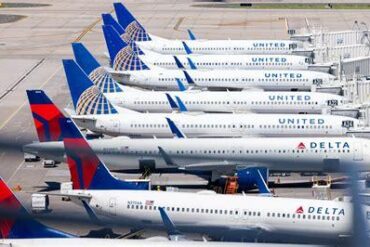
In total, the six airports accounted for 1,933 delayed flights and 76 cancellations, but when adding disruptions from surrounding airports and missed connections across the network, the real number of affected flights exceeded 2,000. This mass disruption hit at least two dozen major airlines, bringing the national air traffic system to its knees. American Airlines, the most heavily affected overall, struggled to recover throughout the day due to its vast dependency on DFW and LaGuardia operations. United Airlines, with its dual-hub exposure at O’Hare and Newark, saw a similar breakdown in efficiency. JetBlue, despite smaller market share in some cities, saw some of the highest delay percentages in Boston and New York. Southwest Airlines, Air Canada, Delta, and even international operators like Swiss, Emirates, and Air France faced systemwide challenges. Ground crews across multiple cities reported backlogs in rebooking, fueling, and baggage handling, while some passengers reported spending over five hours on the tarmac or waiting for replacement crews to be flown in from other cities.
Ripple Effects Across the US Air Travel Network
The widespread delays had a domino effect. Missed connections, crew timing out, aircraft repositioning, and gate limitations created system bottlenecks far beyond just the affected cities. Airports such as Atlanta, Philadelphia, Charlotte, and Denver began to feel the ripple effect by mid-afternoon, even though they had no direct weather impact. The Federal Aviation Administration (FAA) issued multiple airspace flow programs throughout the day to attempt to balance traffic volumes, but by evening, the backlog had snowballed into overnight flight cancellations and next-day delays. Airlines scrambled to find open hotel rooms for passengers and replacement crews to staff early-morning flights.
Travelers Face Long Waits, Missed Vacations, and Frustration
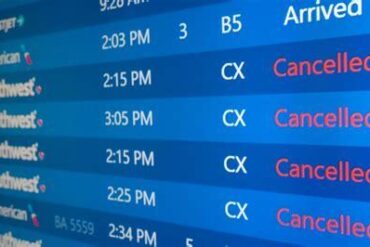
With this level of operational breakdown, tens of thousands of passengers found themselves stranded in terminals, sleeping on chairs, or rerouted to unexpected destinations. For families trying to reach vacation spots or travelers connecting to international departures, the day was filled with confusion, changing gates, and unavailable customer service reps. Some airlines offered food vouchers or travel credits, while others simply issued blanket rebooking notices via email or app alerts. But for many, the emotional and financial toll of the delays was already too high. Social media erupted with angry posts, photos of departure boards lit up with “DELAYED” notifications, and passengers venting about unresponsive helplines. The general sentiment among travelers was one of frustration, especially given the premium fares many paid during peak summer travel season.
What’s Next? Airlines Brace for More Delays as Storms Linger
Looking ahead, the National Weather Service continues to forecast unstable conditions across the Midwest and Northeast for the next several days, raising concerns that the recovery may stretch through the weekend. Airlines have issued waivers for flight changes and cancellations without fees for affected routes. The FAA has warned that any additional severe weather—especially lightning or flooding—could trigger another wave of ground stops. Meanwhile, airline operations teams are working overtime to rebalance aircraft and crew assignments, with many planes and pilots out of position. Passengers with upcoming flights are advised to monitor their flight status closely, arrive at the airport early, and consider flexible travel options if their schedules allow.
This latest meltdown has once again exposed the vulnerability of the US aviation system. With passenger demand surging past pre-pandemic levels but airline staffing, maintenance resources, and scheduling models still lagging behind, the industry remains one lightning storm away from gridlock. The travel chaos of this week sends a clear message: even in 2025, when airline technology is more advanced than ever, the system still breaks easily when pressure builds —especially when it’s weather versus a packed summer flight schedule.