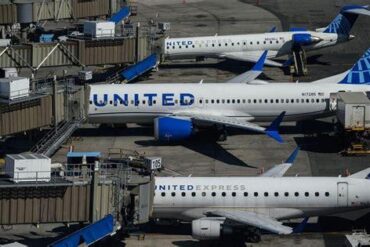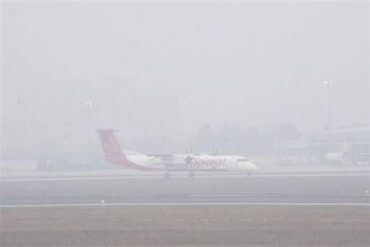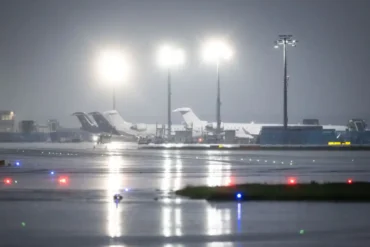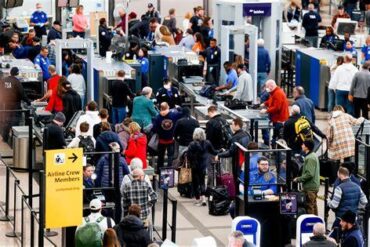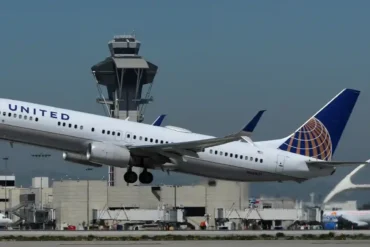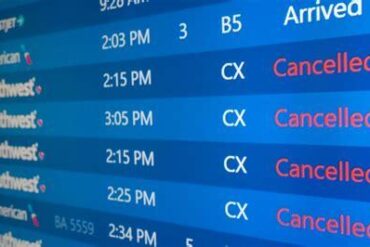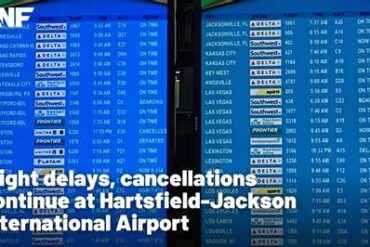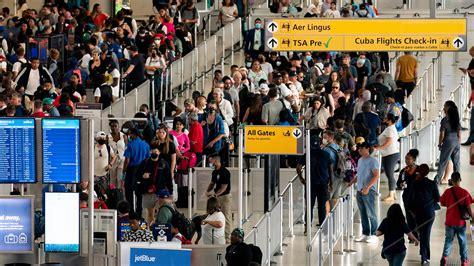
Severe weather has plunged European air travel into disarray, triggering a massive chain reaction across the continent’s busiest airports. More than 2,000 flights were canceled or delayed on Monday, June 23, 2025, as violent thunderstorms, high winds, and low visibility battered aviation hubs from London Heathrow to Frankfurt, Paris, Amsterdam, Berlin, Munich, and beyond.
The effects rippled across both short-haul and long-haul networks, stranding thousands of passengers and throwing airline schedules into complete turmoil. Affected carriers ranged from national giants like Lufthansa, British Airways, KLM, and Air France to global long-haul operators like Emirates, Qatar Airways, American Airlines, and even regional players such as Emerald Airlines and CityFlyer.
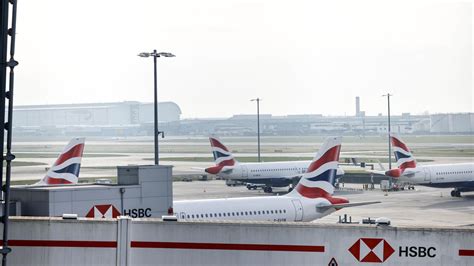
London Heathrow: Crosswinds Bring Britain’s Busiest Airport to a Standstill
London Heathrow, Europe’s largest airport by international passenger numbers, endured widespread flight chaos as strong crosswinds and low cloud ceilings caused critical delays. By mid-afternoon, 212 flights were delayed and 9 canceled, with British Airways—Heathrow’s anchor airline—bearing the brunt. Over 100 of BA’s services were delayed, and six grounded entirely.
Transatlantic operators including United Airlines, American Airlines, and Delta also faced widespread disruption, with missed connections, reroutes, and airport tarmac congestion contributing to the growing backlog. Airlines such as Singapore Airlines, Virgin Atlantic, Qatar Airways, and Etihad reported significant deviation from schedule, with up to 50% of services impacted.
Frankfurt Airport: German Aviation Backbone in Turmoil
Germany’s primary aviation hub, Frankfurt International Airport, recorded 347 delayed flights and 9 cancellations, a blow to the central European traffic network. Flagship carrier Lufthansa saw over 150 of its flights delayed, many across its subsidiaries Lufthansa Cityline and Air Dolomiti. These delays affected routes to Zurich, Vienna, Rome, Paris, and other major capitals.
Carriers from Asia and the Middle East such as Singapore Airlines, Royal Jordanian, Qatar Airways, and Oman Air experienced reroutes and extended holding patterns. By early evening, Emirates and United had confirmed delays of over three hours, while Air Astana, Vietnam Airlines, and Smart Lynx faced outright cancellations due to lightning and runway saturation.
Berlin Brandenburg: Thunderstorms Paralyze Airspace
At Berlin Brandenburg Airport, 105 flights were delayed and 6 canceled. Lufthansa and easyJet, both operating significant domestic and EU services from BER, were heavily disrupted. Conditions deteriorated rapidly as lightning strikes and strong downdrafts forced temporary ground stops.
Carriers like Swiss, Air France, KLM, and LOT Polish Airlines were all impacted. Reports indicated that City Airlines and Air Cairo saw near-total operational halts. Runway congestion required manual traffic coordination by air traffic controllers, intensifying delays for smaller carriers.
Munich: Europe’s Worst-Affected Airport
Munich International Airport was hit the hardest. Logging 348 delays and 20 cancellations, it became the epicenter of the European aviation meltdown. Lufthansa’s southern hub saw Cityline services decimated, with up to 40% of all flights delayed or canceled. Severe winds at ramp level made pushbacks unsafe, grounding aircraft for hours.
Disruption cascaded through services by Air France, Swiss, Brussels Airlines, and Air Baltic, while Thai Airways, Oman Air, and Gulf Air experienced hours-long shutdowns. Regional carriers like Helvetic and Air Europa Express canceled multiple services, worsening the backlog.
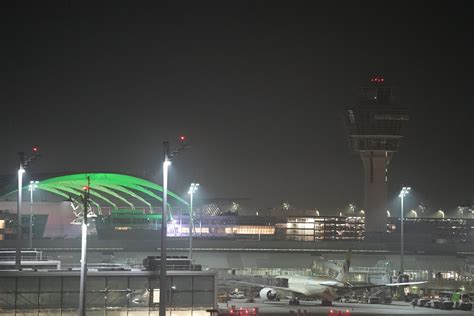
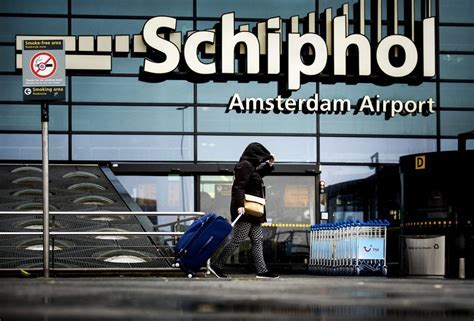
Amsterdam Schiphol: Dutch Hub Battles Gusts and Diversions
Amsterdam Schiphol Airport recorded 247 delayed flights and 27 cancellations, mostly triggered by persistent high wind gusts and shifting storm cells. KLM, Schiphol’s main carrier, reported over 100 delayed flights, primarily affecting European short-haul services. Some incoming flights were diverted to Antwerp, Brussels, and Hamburg.
Affected airlines included Delta, JetBlue, United, and Qatar Airways, while regional operators such as BA CityFlyer, Croatia Airlines, and Sky Express were forced to adjust operating schedules, some by more than 6 hours.
Paris Charles de Gaulle: French Airspace Suffers Under Pressure
Paris CDG, France’s primary international gateway, reported 276 delays and 7 cancellations. Air France, operating from its home hub, endured the worst of it, with over 130 of its flights delayed. The impact spread to Emirates, American Airlines, Qatar Airways, and regional players like Nouvelair and Cyprus Airways.
Several runways were temporarily shut down due to powerful wind bursts, forcing incoming aircraft into airborne holding patterns. Ground crews struggled to maintain normal aircraft handling procedures under unstable weather conditions.
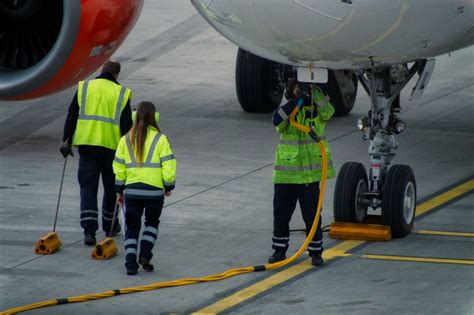
Dublin Airport: Atlantic Gusts Ground Flights
At Dublin International, 128 flights were delayed and 15 canceled. Emerald Airlines, a regional partner for Aer Lingus, reported 13 cancellations alone, a dramatic percentage of its total operations.
Aer Lingus, Ryanair, and British Airways experienced multi-hour disruptions. International partners like Etihad, Qatar Airways, and WestJet also reported slowdowns on long-haul and short-haul routes alike.
Manchester and Birmingham: UK Regional Hubs Hit Hard
Manchester Airport faced 110 delays and 3 cancellations, with Jet2 and easyJet logging dozens of affected flights. Etihad, Ryanair, and Air Canada also faced delays that forced extensive passenger rebookings and overnight accommodations.
In Birmingham, 72 delays and 4 cancellations were recorded. Carriers including Emirates, KLM, Sun Express, and Wizz Air Malta faced reduced flight frequencies and forced schedule reshuffles to comply with crew duty time limits.
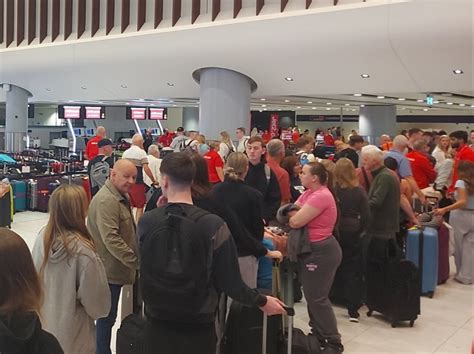
Dusseldorf: Crosswinds Disrupt Western Germany’s Flights
Dusseldorf International Airport registered 123 delays and 3 cancellations, with heavy impacts on Eurowings, Lufthansa, and Condor. Qatar Airways, Swiss, and Middle East Airlines all reported disruptions ranging from 30% to 60% of scheduled flights.
Operational instability led to flight stacking over western Germany and slot loss penalties, further worsening airline and airport recovery efforts.
Airline Impacts by the Numbers
Lufthansa led all disruptions with over 200 delays across four major hubs and 15 total cancellations, followed by British Airways, KLM, and Air France with widespread network delays.
Low-cost carriers like easyJet and Ryanair reported dozens of delays, particularly across Ireland, Germany, and France, where short-haul demand remains high during summer travel peaks.
Long-haul operators such as Emirates, Qatar Airways, and American Airlines saw delays on key transatlantic and intercontinental routes, affecting both inbound and outbound flows.
Ripple Effects and Residual Chaos Expected
Weather radar data shows further storm activity moving across western and central Europe, likely prolonging residual delays into midweek. Ground handlers, air traffic controllers, and airline schedulers have already implemented emergency plans, but backlogs remain extensive.
Passengers are advised to recheck bookings, use airline mobile apps, and consider flexible travel arrangements. Major airlines including Lufthansa, British Airways, easyJet, and Ryanair have already enacted waiver policies and free rebooking options for affected flights.
Conclusion: A Fragile European Air Travel System Exposed
This storm system highlights the fragility of Europe’s air traffic infrastructure. With interconnected hubs and heavily interdependent routes, weather-related failures at one airport easily cascade into continental-scale delays. The June 23rd crisis affected over 2,071 flights and created a ripple felt across global aviation corridors.
Until air traffic systems are better weather-hardened—through AI-assisted routing, increased holding capacity, and dynamic rebooking networks—these types of disruptions will remain an unfortunate reality of modern aviation.