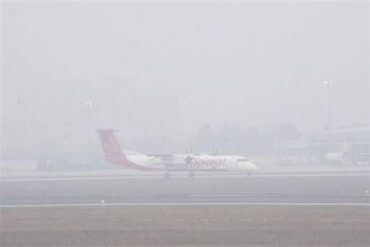
Air travel across the United States has been thrown into disarray this week as a brutal combination of record-breaking heatwaves and severe thunderstorm activity paralyzes airports from coast to coast. With temperatures climbing into the upper 90s Fahrenheit and humidity driving heat indices into dangerously high territory, thousands of flights have been delayed or canceled. Philadelphia International Airport is among the most severely affected, with ground stops, overburdened terminals, and travel chaos rippling across the national aviation network.
Philadelphia in Crisis: Heat and Storms Bring Airport to a Standstill
Philadelphia International Airport, one of the busiest hubs in the Northeast, experienced one of the worst disruptions this past Sunday. A temporary ground stop halted all inbound and outbound flights as oppressive heat, followed closely by violent thunderstorms, rendered flight operations unsafe. Terminal boards filled with red-texted delays and cancellations, while frustrated travelers found themselves stranded with little guidance and fewer options.
The situation on the tarmac has been equally alarming. Ground crews, exposed to asphalt temperatures far exceeding 100°F, have faced unsafe working conditions. Airlines were forced to slow down operations, rotate personnel more frequently, and extend aircraft turnaround times. Meanwhile, aircraft systems—particularly those sensitive to temperature fluctuations—struggled to function optimally under such stress.
AAA’s Urgent Advice: Early Morning Flights and Traveler Flexibility
In response to the unfolding crisis, AAA has issued a travel advisory, urging passengers to book early morning flights whenever possible. Cooler temperatures and more stable weather patterns typically make early hours less susceptible to cancellations and turbulence. AAA also emphasized the importance of flexibility and proactive preparation as key strategies for managing the volatile travel environment.
Travelers are encouraged to:
- Download airline apps to receive immediate flight updates.
- Pack essentials—including medications, phone chargers, snacks, and an extra change of clothes—in carry-ons.
- Consider alternate airports or transportation modes in the event of prolonged delays.
Nationwide Fallout: Weather Chaos Spreads Across Major Hubs
While Philadelphia is among the most visibly impacted, the problem is far from localized. Major airports across the Midwest and East Coast—including Chicago O’Hare, New York’s JFK and LaGuardia, Washington D.C.’s Reagan National, and Atlanta Hartsfield-Jackson—have all reported severe weather-induced disruptions.
The Federal Aviation Administration (FAA) has been issuing delay maps and advisories, showing widespread congestion across these hubs. Weather-related ground stops and traffic management initiatives have been enacted to reduce risks to both safety and infrastructure. Airlines, already stretched thin from summer demand, are now grappling with:
- Crew scheduling breakdowns caused by cascading delays.
- Equipment malfunctions due to prolonged exposure to extreme heat.
- Maintenance setbacks from overstressed support systems like jet bridges and baggage belts.
The Science Behind the Slowdown: How Heat Impacts Aviation
High temperatures have a direct and scientifically measurable impact on aircraft performance. As air warms, its density decreases, which in turn:
- Reduces engine efficiency.
- Increases required takeoff distances.
- Triggers aircraft weight limitations.
This means airlines must sometimes offload passengers or cargo to meet safety thresholds. Combined with thunderstorm-related diversions, reroutings, and missed crew rotations, even small hiccups can escalate into hours-long system-wide gridlocks.
Moreover, jet fuel can expand in heat, affecting fuel system pressures. Avionics, air conditioning systems, and even runway surfaces can become less reliable or require operational caution.
Heatwave Forecast: Disruptions Likely to Continue Through Midweek
According to meteorologists, the current heatwave enveloping the Northeast and Midwest shows no sign of abating before midweek. Forecasts predict sustained highs in the upper 90s with humidity pushing the heat index well above 105°F in some regions. Thunderstorms, a frequent side effect of such heat surges, are expected to recur across flight corridors.
This means that airports in Boston, Detroit, Cincinnati, and Charlotte could soon see similar levels of disruption. For airline passengers, this translates into longer security lines, overcrowded terminals, and increased chance of overnight layovers.
Operational and Human Strain: Behind the Airport Curtain
The ripple effect of the extreme weather has not only paralyzed systems—it has placed immense physical and mental strain on the aviation workforce. Ramp agents, baggage handlers, aircraft mechanics, and fuelers are among the frontline workers confronting dangerous work environments.
Many airlines have adopted heat safety protocols, including:
- Mandatory hydration and shade breaks.
- Heat-related staffing rotations.
- Adjusted ramp operations to prioritize safety over speed.
These protective measures, while essential, inevitably slow down overall airport throughput, contributing further to delays. Travelers may notice longer wait times between landing and gate arrival or extended tarmac holds as crews cautiously navigate unsafe heat levels.
August Outlook: Bracing for a Brutal Summer Travel Peak
As the calendar approaches August—the peak month for summer travel—concerns are growing over how the aviation industry will manage the dual threats of extreme weather and peak demand. Airlines have already warned of limited flexibility due to high booking volumes, meaning rebookings or standby accommodations may be harder to secure.
Travel insurance with weather disruption coverage is becoming a necessity rather than an optional add-on. Passengers are urged to read the fine print and choose plans that explicitly include coverage for delays, cancellations, and missed connections caused by extreme heat or weather.
Actionable Tips: How Travelers Can Minimize Disruption
In light of current conditions, passengers flying in the coming days should consider these strategies:
- Fly as early as possible to avoid afternoon heat buildups and thunderstorms.
- Pack patience and mentally prepare for delays.
- Avoid tight connections—build in buffer time or consider nonstop options.
- Follow official airline and FAA communication channels for real-time updates.
Being informed and adaptable can be the difference between a nightmarish layover and a manageable delay.
Conclusion: The New Reality of Weather-Driven Air Travel Disruptions
This week’s air travel paralysis highlights the growing vulnerability of the U.S. transportation system to climate-related events. As extreme heat and volatile storms become more frequent, travelers must learn to navigate a new normal marked by unpredictability, longer waits, and greater demand on strained aviation infrastructure.
With forecasts indicating continued high temperatures and storm activity through midweek—and potentially beyond—AAA’s warnings are timely and essential. The best defense against disruption in this volatile season is a combination of preparation, flexibility, and resilience.
Passengers flying through affected regions, particularly the Northeast and Midwest, should expect continued turbulence—both in the air and on the ground—as the country copes with one of the most disruptive summer weather patterns in recent memory.