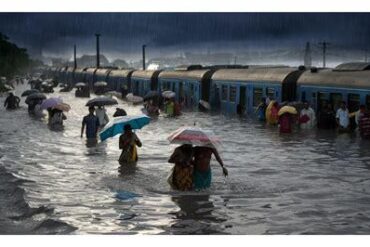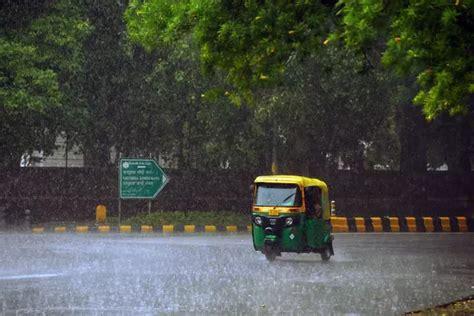
Delhi is currently grappling with a relentless heatwave, with temperatures consistently surpassing 40°C. On Monday, the mercury hit a staggering 41°C, exacerbated by high humidity levels and overcast skies that offered little respite from the oppressive conditions. Despite the scorching heat, sporadic showers and thunderstorms have intermittently graced the city, providing brief moments of relief and signaling the impending arrival of the much-anticipated monsoon season.
As the capital continues to endure this extended heatwave, temperatures have routinely reached or exceeded 45°C, creating challenging living conditions for its residents. On June 16, the minimum temperature was recorded at 33°C, while the maximum soared close to 42°C by afternoon. Although the clouds occasionally provided shade, the lingering humidity made outdoor activities uncomfortable and even hazardous for many.
The India Meteorological Department (IMD) has issued forecasts indicating that these sweltering conditions are likely to persist in the coming days. According to their predictions, temperatures are expected to hover around 42–43°C until June 19. However, there is hope on the horizon, as scattered showers and occasional thunderstorms are anticipated to provide temporary relief. From June 20 onward, a noticeable drop in temperature to around 36°C is expected as overcast skies and more frequent rain begin to dominate the weather pattern.
The arrival of the southwest monsoon is eagerly awaited by all. It has already made its way through the southern states, and forecasters expect it to reach Delhi by June 25. This development brings not only cooler temperatures but also the promise of consistent rainfall, a welcome change for residents who have been enduring weeks of blistering heat.
While Delhi suffers under extreme heat, the weather across the rest of India remains sharply divided. Northern states, including Jaipur, Patna, and Delhi, continue to bake under extreme conditions, with temperatures ranging between 38°C and 43°C. These regions are locked in a persistent heatwave that challenges daily life and well-being. In stark contrast, southern India, particularly Kerala, Karnataka, and Tamil Nadu, is already experiencing the full impact of the monsoon, with heavy rainfall bringing temperatures down to a more comfortable range of 25°C to 33°C.
In central and western India, including states like Gujarat and Maharashtra, the monsoon’s advance has been slow. Coastal regions such as Konkan and Goa have received substantial rainfall, but the interior areas still face high temperatures. As the monsoon progresses northward, more regions are expected to undergo a transformation in weather, cooling down significantly while rainfall becomes more consistent.
Eastern India, which includes cities like Kolkata and Bihar, is also experiencing pre-monsoon showers. These initial rains are vital as they pave the way for the monsoon front to fully arrive in the coming days. The monsoon plays a crucial role in India’s agricultural cycle, providing the majority of the country’s annual rainfall. This rain is essential for crops such as rice, wheat, and sugarcane, particularly in regions that rely heavily on irrigation.
The arrival of the monsoon not only serves agricultural needs but also replenishes reservoirs and groundwater supplies, ensuring that water is available throughout the year. For millions of farmers, the onset of the monsoon symbolizes hope, indicating that the upcoming months will bring fruitful harvests and water security.
For Delhi’s residents, the monsoon is especially welcomed. The city’s summers are notoriously hot, with temperatures frequently exceeding 40°C. The arrival of the monsoon brings a much-needed respite, cooling the air and washing away accumulated dust and pollutants. Additionally, the monsoon showers significantly improve air quality, which often deteriorates during the summer months due to air conditioning, traffic congestion, and construction activities. The rains cleanse the atmosphere, leaving behind fresher, cleaner surroundings for the city’s inhabitants.
Beyond merely offering cooling effects, the monsoon rejuvenates the environment in a remarkable way. As the rains begin to fall, Delhi’s parks, gardens, and streets transform into vibrant, lush green spaces. Trees burst into bloom, revitalizing the landscape and enhancing the overall aesthetic of the city. Moreover, the monsoon aids in replenishing the water supply for residents, ensuring their daily needs are met.
While Delhi eagerly awaits the monsoon’s arrival, southern India is already feeling its effects. States like Kerala, Karnataka, and Tamil Nadu are experiencing heavy rains that have brought both relief and challenges. Although the downpours provide respite from the heat, they have also led to flooding in certain areas, particularly in Kerala. Conversely, in Tamil Nadu, the rains have proven beneficial for agriculture, supplying much-needed water for crops dependent on seasonal rains.
In western and central India, the monsoon’s advancement has been uneven. Coastal regions like Goa and Konkan have experienced heavy rainfall, while inland areas of Gujarat and Maharashtra continue to endure high temperatures. This slow progression means that while coastal areas enjoy the cooling benefits of rain, inland regions must wait longer for relief.
As the monsoon continues to spread across the country, eastern regions are beginning to receive pre-monsoon showers. These early rains are expected to intensify, particularly in places like Kolkata and Bihar, as the monsoon front moves further north. For farmers in these areas, the arrival of the monsoon signifies a fresh start for their crops and an assurance of irrigation water in the months ahead.
Delhi’s residents are all too familiar with the hardships brought on by the summer heat. Each year, the city witnesses soaring temperatures that often result in power outages, water shortages, and health concerns related to extreme heat. Consequently, the arrival of the monsoon is a highly anticipated event. The rains provide a welcome break, both physically and mentally, offering relief from the relentless heat and instilling a sense of renewal among the populace.
In conclusion, as Delhi and much of northern India continue to endure extreme heat, the monsoon is steadily advancing, bringing with it the promise of cooler temperatures and much-needed rainfall. The monsoon’s arrival will not only provide relief to the capital but also to agricultural regions across India. These rains will alleviate the oppressive heat, enhance air quality, and replenish vital water resources. While southern India has already begun to experience the monsoon’s full impact, other parts of the country, particularly in the east and west, will soon witness its arrival, making this seasonal shift one of the most awaited times of the year.