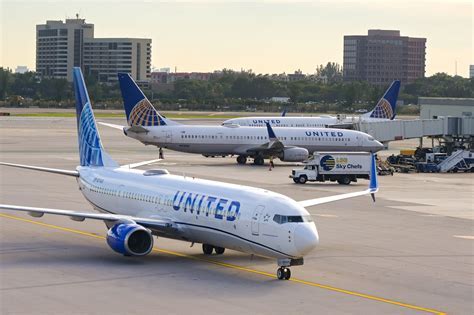
The aviation industry is once again under intense scrutiny as United Airlines finds itself embroiled in controversy following a harrowing incident at Chicago O’Hare International Airport, where passengers were subjected to extreme cabin temperatures, exposing critical gaps in safety protocols and passenger care.
The troubling event unfolded on June 29, 2025, when a United Express regional jet prepared for departure from Chicago to Portland, Maine. With the outside temperature nearing 90°F, the aircraft became a sweltering furnace, leading to widespread distress among passengers.
Cabin Turns into a Health Hazard: The Chicago Incident in Detail
As passengers boarded the United Express flight, what should have been a routine process quickly spiraled into a dangerous ordeal. The aircraft’s Auxiliary Power Unit (APU)—responsible for providing air conditioning and ventilation while on the ground—was reportedly inoperable. Though airlines are permitted to operate under such “deferrable” conditions if other systems remain functional, the consequences for passengers on this flight were severe.
Boarding delays exceeding 45 minutes exacerbated the situation, trapping passengers in what many described as an “oven-like” cabin. Families, including a father traveling with his 15-month-old child, were left battling rising temperatures and mounting anxiety. His Garmin smartwatch issued health alerts as his heart rate soared, while his infant exhibited visible signs of heat distress—flushed skin, lethargy, and rapid breathing.
Despite desperate pleas to the flight attendants, passengers were met with indifference. Requests for water or assistance were largely ignored. Only after persistent demands did the crew provide a single bag of ice—an inadequate response given the escalating heat.
Deferrable Maintenance: Legal Loophole or Passenger Safety Risk?
The Federal Aviation Administration (FAA) allows airlines to defer certain mechanical issues, such as a faulty APU, provided that core flight systems remain operational. Airlines defend this policy, citing tight schedules, maintenance logistics, and cost considerations. However, as demonstrated in Chicago, this regulatory gray area can lead to potentially hazardous conditions for passengers, especially during extreme weather.
While airlines may legally operate flights with an inoperable APU, the lack of onboard cooling during ground delays leaves passengers vulnerable—particularly infants, the elderly, and individuals with medical conditions. Industry experts warn that what is classified as “minor” from a mechanical standpoint can translate into a significant health risk for those inside the cabin.

Industry-Wide Problem: United Airlines Not Alone
Though United Airlines is currently in the spotlight, they are far from the only carrier facing scrutiny for similar incidents. Major global airlines—including American Airlines, British Airways, and Emirates—have all operated flights under comparable conditions, often citing the same deferrable maintenance policies.
The practice reflects a broader industry trend where operational efficiency and profitability are prioritized, sometimes at the expense of passenger comfort and safety. Airlines argue that canceling flights for minor mechanical issues could lead to cascading delays, logistical nightmares, and significant financial losses.
However, growing public awareness and social media outrage have shifted the conversation. Passengers, emboldened by viral accounts of poor conditions, now demand transparency, accountability, and reforms that place human welfare above profit margins.
Social Media Outcry and the Erosion of Passenger Trust
In the digital age, incidents like the Chicago heat debacle rapidly escalate beyond isolated events. Platforms such as Twitter, Instagram, and TikTok have been inundated with furious posts, images, and firsthand accounts from affected passengers.
The father at the center of the incident shared his story online, triggering an avalanche of criticism directed at United Airlines. Hashtags like #UnitedHeatCrisis and #PassengerRights trended globally, amplifying calls for reform and further damaging the airline’s reputation.
For airlines, the cost of poor passenger experiences is no longer confined to isolated PR challenges. The erosion of consumer trust, coupled with fierce competition in the travel sector, threatens long-term brand loyalty. Industry analysts warn that airlines ignoring these warning signs do so at their peril.
Regulatory Pressure and Calls for Reform Intensify
As public outrage mounts, so does the pressure on regulatory bodies to address these glaring gaps in passenger safety standards. Aviation watchdogs, consumer advocacy groups, and lawmakers have begun calling for urgent reforms to close the loopholes around deferrable maintenance, particularly concerning critical comfort systems like APUs.
Proposals on the table include:
- Mandatory alternative cooling solutions for aircraft during ground delays in extreme weather.
- Stricter limits on the duration passengers can remain onboard without adequate ventilation.
- Enhanced transparency requirements, compelling airlines to disclose mechanical issues affecting cabin conditions prior to boarding.
Airlines warn that such reforms could introduce operational challenges and additional costs. Nonetheless, the prevailing public sentiment suggests that continuing with the status quo is no longer an acceptable option.
The Bigger Picture: Passenger Safety as the New Industry Litmus Test
The United Airlines incident underscores a troubling reality: despite significant advancements in aviation technology, basic passenger care remains vulnerable to oversight, negligence, and profit-driven decision-making.
Travel, especially during peak summer months, exposes passengers to extreme weather risks long before takeoff. Without functioning APUs or contingency plans, airlines gamble with passenger health, hoping delays resolve quickly—a bet that, as seen in Chicago, can backfire disastrously.
This incident forces a broader reckoning within the aviation sector. The questions it raises—about corporate responsibility, regulatory rigor, and the sanctity of passenger rights—are likely to shape the industry’s trajectory for years to come.
The Road Ahead: Reform or Reputational Freefall?
For United Airlines, the path forward is fraught with challenges. The airline faces investigations, reputational damage, and potential legal ramifications stemming from the incident. More critically, they must confront the deeper question: will they lead industry reform, or become a cautionary tale of corporate complacency?
Passengers, too, are adjusting their expectations. Travelers are increasingly informed, vocal, and unwilling to tolerate substandard conditions. Booking decisions, loyalty memberships, and public perception hinge on airlines demonstrating tangible commitments to safety, transparency, and human dignity.
Summer 2025 serves as a stark reminder: in aviation, safety isn’t solely defined by mechanical soundness or timely departures. It encompasses the total passenger experience, from boarding gate to final destination.
Conclusion: The Stakes for Airlines and Travelers Have Never Been Higher
The United Airlines heat incident is more than an isolated misstep—it’s a wake-up call for the entire aviation ecosystem. With public patience wearing thin, regulatory reform imminent, and social media fueling rapid accountability, airlines face an undeniable choice.
Prioritize passenger welfare, invest in contingency planning, and foster transparency—or risk losing the trust of an increasingly empowered traveling public.
As temperatures soar this summer, so do expectations for change. The world is watching to see whether United Airlines—and the aviation industry at large—can rise to meet the moment.