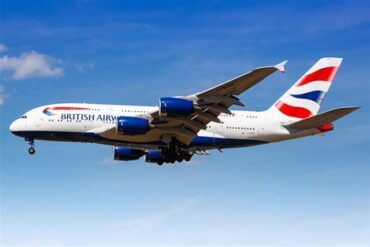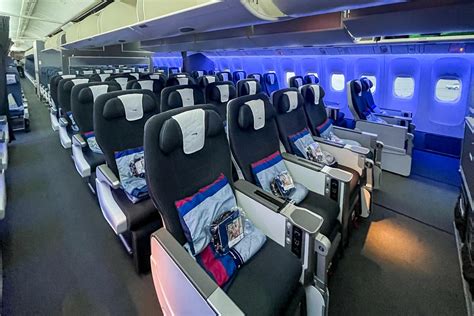
A long-haul journey aboard British Airways turned into a deeply unsettling experience when a passenger died shortly after takeoff, leaving hundreds onboard to complete a 13-hour flight under extraordinary circumstances. The incident, which unfolded on flight BA32 from Hong Kong International Airport to London Heathrow Airport, has reignited scrutiny over how airlines manage in-flight fatalities and the emotional toll such events impose on passengers and crew.
The deceased traveler, a woman believed to be in her 60s, reportedly passed away approximately one hour after departure. Despite the gravity of the situation, aviation protocol does not automatically classify natural deaths onboard as emergencies requiring diversion. As a result, the captain elected to continue the transcontinental journey to London, a decision aligned with standard operating procedures but one that would soon prove controversial among those onboard.
Passengers described a somber and increasingly uncomfortable atmosphere as the flight progressed. With 331 individuals aboard, the aircraft’s confined environment amplified the emotional strain, particularly for the deceased woman’s family, who were traveling with her. Their grief unfolded in full view of a cabin unable to escape the reality of the situation.
Handling Death at 38,000 Feet: Protocol Meets Reality
In aviation, the management of a passenger death mid-flight follows established guidelines designed to preserve dignity while maintaining operational stability. Typically, the deceased remains seated and covered, or is discreetly relocated away from public view. On BA32, however, these options proved unworkable.
According to reports, crew members initially considered placing the body in a lavatory, a method sometimes used when feasible. This option was ultimately rejected, likely due to practical constraints or safety concerns. Instead, the body was moved to the rear galley—an area not designed for such circumstances.
This decision introduced a new set of complications. As the flight wore on, several passengers reported detecting an odor emanating from the galley. The issue was exacerbated by the presence of heated flooring in that section of the aircraft, which may have accelerated decomposition. For those seated nearby, the experience became increasingly distressing, blending discomfort with a growing awareness of the unusual situation unfolding behind the scenes.
Flight Path and Timeline: A Journey Without Diversion
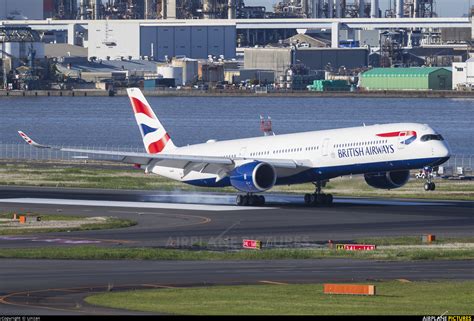
Operated by an Airbus A350-1000, flight BA32 departed Hong Kong slightly behind schedule, pushing back at 11:07 p.m. local time. After takeoff, the aircraft climbed to a cruising altitude of 38,000 feet, charting a course across mainland Asia and into Europe.
At the approximate time of the passenger’s death, the aircraft was flying over Guiyang, a major city in southwestern China. From there, the journey continued uninterrupted across Kazakhstan, the Caspian Sea, and Eastern Europe before descending into London.
Despite the onboard emergency, the flight landed ahead of schedule at Heathrow at 4:46 a.m. the following morning. The early arrival underscored the captain’s decision to prioritize completing the journey over initiating a diversion, which could have introduced logistical challenges and further complications for passengers.
Aircraft and Capacity: Inside the Airbus A350 Operating BA32
The aircraft assigned to the flight, registered as G-XWBC, represents one of the most advanced long-haul jets in commercial aviation. Delivered to British Airways in late 2019, the A350-1000 is configured to accommodate 331 passengers across three cabin classes.
Powered by Rolls-Royce Trent XWB-97 engines, the aircraft is designed for efficiency, range, and passenger comfort. Its modern cabin features improved air quality and reduced noise levels, attributes that typically enhance long-haul travel but could not mitigate the psychological impact of this particular incident.
The aircraft’s design, however, also highlights a critical limitation: commercial airliners are not equipped with dedicated facilities for handling fatalities. This reality forces crews to make difficult decisions in real time, balancing respect for the deceased with the practical constraints of an airborne environment.
Arrival and Aftermath: Investigation and Emotional Toll
Upon landing in London, authorities met the aircraft, and passengers were instructed to remain seated while officials conducted an initial investigation. Such procedures are standard in cases involving in-flight deaths, ensuring that all circumstances are properly documented before disembarkation.
In the days following the incident, reports emerged that several crew members had taken leave due to emotional distress. The psychological burden of managing such a situation—while continuing to perform safety-critical duties—cannot be understated. For passengers, too, the experience left a lasting impression, with many describing it as deeply unsettling.
A Rare but Revealing Incident in Modern Aviation
While in-flight deaths are relatively rare, they are not unheard of, particularly on ultra-long-haul routes where passengers may have underlying health conditions. What sets this incident apart is not the occurrence itself, but the handling and its prolonged visibility to those onboard.
The BA32 ordeal underscores a broader challenge within commercial aviation: the absence of standardized, humane solutions for managing death in confined, high-altitude environments. As airlines continue to push the boundaries of long-haul travel, such incidents may prompt renewed discussion about onboard protocols, crew training, and passenger care.
In the end, the flight serves as a stark reminder that even in an era of advanced aviation technology, human vulnerability remains an inescapable reality—one that can transform an ordinary journey into an unforgettable and profoundly sobering experience.