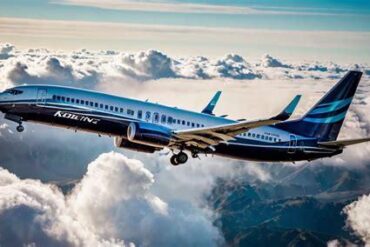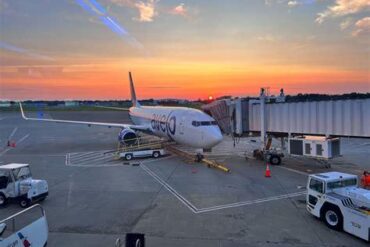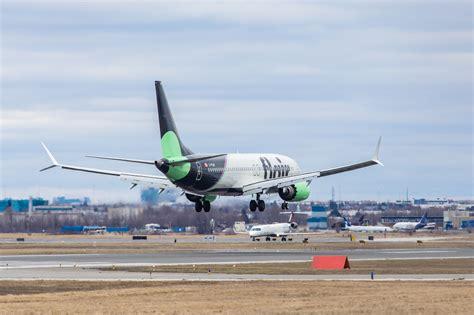
Flying long-haul on a narrowbody jet like the Boeing 737 MAX 8 once seemed implausible. Yet, the aviation industry is evolving, and with it, so are our expectations of what defines comfort, range, and endurance at 35,000 feet. As routes stretch further, particularly with aircraft like Oman Air’s 737 MAX 8 operating flights from Muscat to Copenhagen via Baghdad, the question becomes pressing: Can passengers truly endure 10 hours aboard a Boeing 737?
A New Era of Long Narrowbody Routes
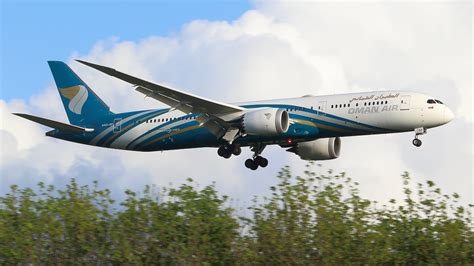
In December 2025, Oman Air surprised the aviation world with the launch of a fifth-freedom route connecting Muscat to Copenhagen, with a stopover in Baghdad. Notably, the route is operated by a 162-seat two-class Boeing 737 MAX 8, a narrowbody aircraft traditionally used for medium-haul flights. The journey spans 5,219 kilometers (2,818 nautical miles), making it one of the longest routes flown by this type of aircraft.
The full itinerary includes two segments:
- Muscat to Baghdad: 2 hours 55 minutes
- Baghdad to Copenhagen: 5 hours 30 minutes
For passengers flying round-trip, the total time spent on the aircraft can approach 10 hours, making comfort, in-flight service, and cabin layout key to the experience.
Cabin Comfort: Does the 737 MAX 8 Make the Cut?
Despite its narrowbody label, the 737 MAX 8 is not your average short-haul workhorse. Oman Air’s configuration includes business class with lie-flat seats, offering luxury akin to widebody jets. For premium passengers, the experience is entirely survivable, even enjoyable. The challenge, however, lies in economy class.
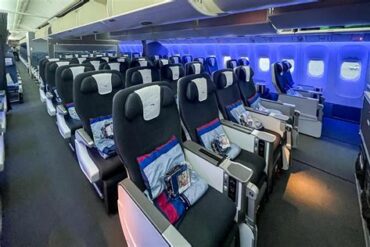
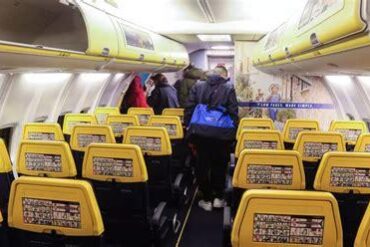
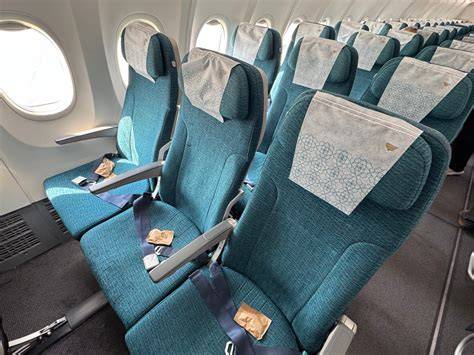
In economy, passengers face slimmer seats, narrower aisles, and reduced legroom compared to widebody aircraft like the Boeing 787 or Airbus A350. For a flight pushing 10 hours, this can be taxing. The lack of space to stretch or walk around is exacerbated by reduced cabin amenities—no expansive galleys, fewer lavatories, and minimal seat recline.
Yet, not all is bleak. Oman Air’s 737 MAX 8s feature modern Boeing Sky Interiors, enhanced lighting, and quieter engines. These innovations mitigate fatigue, making the long journey tolerable for seasoned flyers.
The Strategic Logic Behind the Route
The Muscat–Baghdad–Copenhagen route is more than just a curiosity—it’s a calculated move. Oman Air is leveraging fifth freedom rights to offer ticketing flexibility between all segments. In essence, travelers can book Baghdad–Copenhagen, Copenhagen–Muscat, or the full journey.
What truly drives this decision is demand from the Iraqi diaspora in Denmark. With nearly 30,000 round-trip passengers traveling between Baghdad and Copenhagen in the year leading up to October 2025, there is a clear market need. With Iraqi Airways halting its Copenhagen service, Oman Air seizes an opportunity to serve this underserved corridor.
From a business standpoint, the choice of the 737 MAX 8 is brilliant. Its fuel efficiency, lower operating costs, and suitability for thin routes make it ideal for testing niche markets without the risk of deploying a widebody jet.
Why a 10-Hour Ride Might Be Worth It
Despite the obvious downsides, such as less legroom and limited movement, the economics and convenience of a single-ticket itinerary might outweigh the discomfort. For diaspora travelers, diplomatic personnel, and niche leisure tourists, the ability to fly Baghdad to Copenhagen directly, avoiding lengthy layovers, is invaluable.
Furthermore, attractive fares play a pivotal role. Oman Air offers competitive pricing, particularly between Muscat and Denmark, drawing passengers who might otherwise endure more layovers with legacy carriers. Even business travelers, enticed by lie-flat seats and direct service, are beginning to view long-haul narrowbody flights more favorably.
737 MAX 8: A Growing Player in Long-Haul European Routes
Oman Air’s shift toward the 737 MAX 8 is not an isolated case. In Q1 2026, the aircraft is expected to operate 41% of the airline’s European routes. Destinations such as Rome, Munich, Moscow, and Istanbul will be served using this narrowbody platform.
This trend reflects a larger movement within aviation, where airlines use long-range narrowbodies like the A321XLR and 737 MAX to unlock new direct routes that would be unsustainable with larger aircraft. It provides access to secondary cities, supports point-to-point travel, and minimizes the reliance on hub-and-spoke models.
Passenger Survival Tips for a Long 737 MAX Flight
For those facing 10 hours in economy, preparation is essential. Passengers should:
- Choose aisle seats for easier mobility.
- Bring noise-cancelling headphones to counter engine hum.
- Pack compression socks and a neck pillow to enhance comfort.
- Maximize entertainment by downloading media, as seatback options may be limited.
Hydration, strategic movement, and light meals also go a long way in ensuring passengers remain alert and well throughout the journey.
Final Verdict: Yes, You Can Survive It—With the Right Mindset
The Boeing 737 MAX 8 wasn’t designed for luxury long-haul travel, but its deployment on routes like Muscat–Baghdad–Copenhagen reflects a calculated adaptation to modern travel demands. For travelers who value efficiency, price, and direct access, enduring 10 hours on a narrowbody can be not only bearable but rewarding.
While not ideal for every flyer, especially those prioritizing space and onboard amenities, the 737 MAX 8 proves that the boundaries of air travel are being redrawn. What once seemed uncomfortable is now strategic, economic, and—yes—survivable.