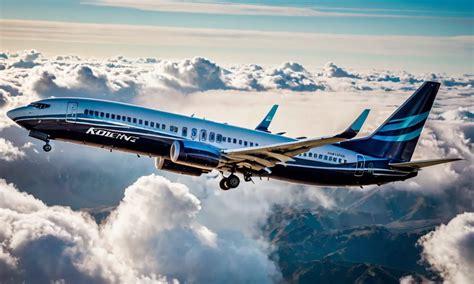
The Boeing 737 has become one of the most recognizable aircraft in modern aviation. Since its introduction in the late 1960s, the narrow-body jet has evolved into the backbone of short- and medium-haul airline operations worldwide. From low-cost carriers operating high-frequency routes to legacy airlines managing complex global networks, the aircraft has proven itself to be adaptable, efficient, and economically practical.
Yet despite its reputation for efficiency, the real question often asked by aviation enthusiasts, analysts, and industry professionals is straightforward: how much does it actually cost to operate a Boeing 737? The answer is far from simple. Operating costs depend on a wide range of variables including fuel prices, maintenance schedules, crew compensation, aircraft ownership structure, and daily utilization rates.
Understanding these costs requires examining aviation economics at a deeper level. Airlines rarely think of costs in terms of a single number. Instead, they evaluate operating expenses per flight hour, per flight, and even per seat mile. These metrics allow operators to compare aircraft performance and profitability across different routes and business models.
The Boeing 737 sits at the center of this discussion because it strikes a careful balance between capacity, range, and operating efficiency. When deployed effectively, it can generate strong margins for airlines while maintaining relatively manageable operational expenses compared with larger wide-body aircraft.
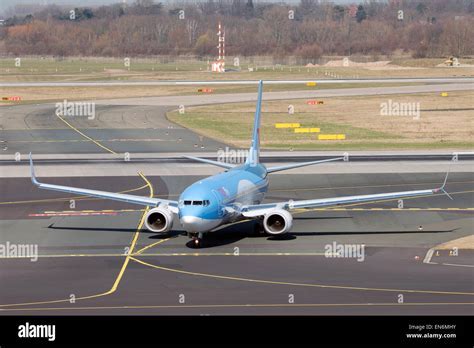
In typical airline operations, a Boeing 737-800 costs roughly $5,000 to $8,500 per flight hour to operate. However, this figure is only a general estimate. The real cost can shift dramatically depending on operational context. A high-utilization low-cost airline may operate the aircraft far more efficiently than a premium carrier with more complex service models.
To understand where these costs originate, it is necessary to examine the structure of aircraft operating expenses, the dominant role of fuel consumption, the long-term impact of maintenance cycles, and how airline business models influence the economics of the aircraft.
Understanding The Structure Of Boeing 737 Operating Costs
Aircraft operating expenses are generally divided into two primary categories: fixed costs and variable costs. This classification helps airlines evaluate how expenses change depending on flight activity.
Fixed costs remain relatively constant regardless of how often the aircraft flies. These include major financial commitments such as:
- Aircraft lease or financing payments
- Insurance
- Certain crew salaries
- Administrative overhead
Even if an aircraft remains on the ground for an extended period, these costs still exist.
Variable costs, on the other hand, scale directly with aircraft usage. The more an aircraft flies, the higher these expenses become. Key variable costs include:
- Jet fuel consumption
- Maintenance reserves and inspections
- Crew hourly pay
- Airport and navigation fees
Because of this structure, aviation analysts typically evaluate aircraft economics using cost per flight hour or cost per available seat mile (CASM). These metrics provide meaningful comparisons between aircraft types and airline operating strategies.
For the Boeing 737-800, industry data suggests that direct operating costs alone typically range from $4,000 to $7,000 per flight hour. Once ownership expenses are included, the total operating cost usually increases into the $5,000 to $8,500 per hour range.
Ownership costs can significantly influence these numbers. Airlines rarely purchase aircraft outright using cash. Instead, they rely on leasing arrangements or long-term financing structures. Monthly lease payments for a Boeing 737 can range from $250,000 to more than $1 million, depending on the aircraft’s age, configuration, and market demand.
When distributed across thousands of annual flight hours, these ownership costs may add several hundred to several thousand dollars per hour to the aircraft’s operating expenses.
Fuel: The Largest Expense In Boeing 737 Operations
Fuel represents the single most influential factor in aircraft operating economics. For most airlines, jet fuel accounts for 25% to 40% of total operating costs, making it the largest expense associated with operating a Boeing 737.
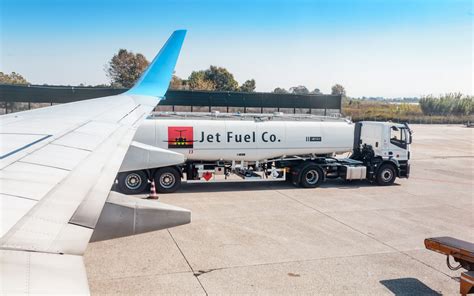
A Boeing 737-800 typically burns 800 to 850 gallons of jet fuel per hour during cruise flight. This consumption rate varies depending on factors such as:
- Aircraft weight
- Flight altitude
- Weather conditions
- Route distance
- Engine efficiency
Assuming a fuel price of $4.50 per gallon, the hourly fuel cost alone may reach approximately $3,600 to $3,800 per hour. Because fuel prices fluctuate with global energy markets, these expenses can change rapidly.
Geopolitical events, refinery capacity, and seasonal demand all influence jet fuel pricing. Airlines must therefore implement strategies to manage this volatility. Many carriers use fuel hedging contracts, allowing them to lock in fuel prices months or even years in advance.
Route structure also influences fuel efficiency. Short flights often require proportionally more fuel because takeoff and climb consume significantly more energy than cruise flight. Airlines operating frequent short sectors may therefore experience higher fuel costs per mile compared with carriers operating longer routes.
Operational events can also increase fuel consumption. A go-around, when a pilot aborts a landing and climbs for another approach, can burn hundreds of additional gallons of fuel. While these situations are routine and built into planning margins, they illustrate how sensitive airline economics are to fuel efficiency.
Maintenance Costs Across The Aircraft Lifecycle
Maintenance represents the second major expense associated with operating a Boeing 737. While aircraft are designed for durability and reliability, strict safety regulations require continuous inspection, repair, and component replacement.
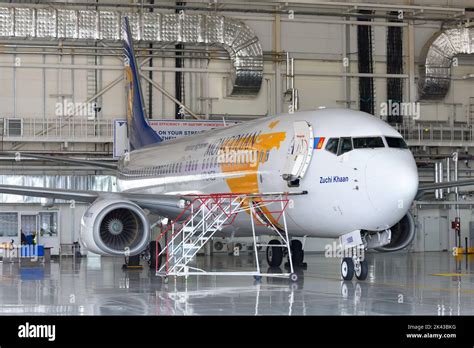
Aircraft maintenance occurs in several structured phases throughout the lifecycle of the aircraft.
Line Maintenance
This type of maintenance includes routine inspections performed between flights or overnight. Technicians check essential systems such as hydraulic lines, avionics equipment, and landing gear components. Though relatively inexpensive individually, these inspections accumulate significant costs over time.
A-Checks
A-checks occur every few hundred flight hours. These inspections involve more detailed system evaluations and component replacements. Airlines schedule them frequently to ensure the aircraft remains fully compliant with safety regulations.
C-Checks
One of the most expensive maintenance milestones for a Boeing 737 is the C-check, which typically occurs every 18 to 24 months depending on usage. During this process, the aircraft is taken out of service for extensive structural inspections and system testing.
A typical C-check costs between $1.5 million and $2.5 million. When amortized across operational hours, these events contribute several hundred dollars per flight hour to overall operating costs.
Engine Overhauls
Jet engines represent some of the most complex mechanical systems in aviation. Overhaul intervals for engines on the Boeing 737 often occur after 20,000 to 30,000 flight hours. Engine overhauls can cost several million dollars, which airlines prepare for by setting aside maintenance reserves per flight hour.
Overall, maintenance costs for a Boeing 737 frequently fall within the range of $1,000 to $2,000 per flight hour depending on aircraft age and operational intensity.
Crew Costs And Operational Expenses
Operating a commercial aircraft requires highly trained personnel. Even though automation has advanced significantly, airlines must employ pilots, cabin crew, dispatchers, and ground personnel to maintain safe and efficient operations.

Pilot salaries represent one of the largest labor expenses. Compensation varies significantly between airlines and geographic regions, but experienced Boeing 737 captains at major airlines may earn well over $200,000 annually. First officers earn less but still command substantial salaries due to the specialized skills required.
Cabin crew salaries add another layer of expense. Although individual wages may be lower than pilot salaries, airlines typically operate Boeing 737 aircraft with three to six flight attendants, depending on configuration and regulatory requirements.
When these labor expenses are converted into hourly operational costs, crew costs can range from $500 to $1,200 per flight hour.
Other operational expenses include:
- Airport landing fees
- Air traffic control charges
- Ground handling services
- Catering and onboard supplies
These costs vary depending on the airport and route structure but can collectively add several hundred dollars per flight hour.
How Airline Business Models Affect Boeing 737 Costs
One of the most fascinating aspects of aircraft economics is how dramatically costs can vary depending on airline strategy. Two airlines operating the exact same aircraft may produce very different cost structures.
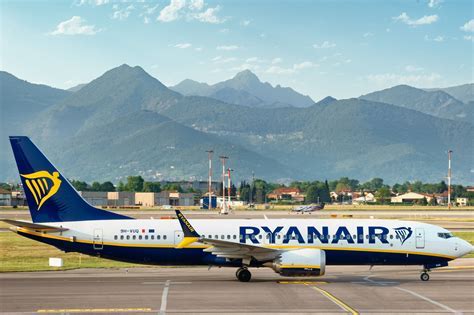
Low-cost carriers such as Ryanair have built their entire business model around maximizing efficiency. These airlines typically operate a single aircraft type, reducing training and maintenance complexity. Their Boeing 737 aircraft often fly 10 to 12 hours per day, spreading fixed costs across more flights.
Short turnaround times further enhance efficiency. Aircraft may spend less than 30 minutes on the ground between flights, allowing airlines to maintain extremely high utilization rates.
Legacy carriers operate under a different economic model. Airlines such as United Airlines or Lufthansa maintain complex networks with connecting flights, multiple aircraft types, and premium service offerings.
These factors introduce additional costs:
- Larger crew staffing requirements
- Longer turnaround times
- Premium cabin service expenses
- More complex scheduling
Although legacy airlines may generate higher revenue per passenger, their per-flight operating costs often exceed those of low-cost carriers.
Ownership And Financing Of Boeing 737 Aircraft
Aircraft acquisition represents one of the most significant financial commitments for any airline. The list price of a Boeing 737-800 once exceeded $100 million, though airlines rarely pay full list price due to negotiated discounts.
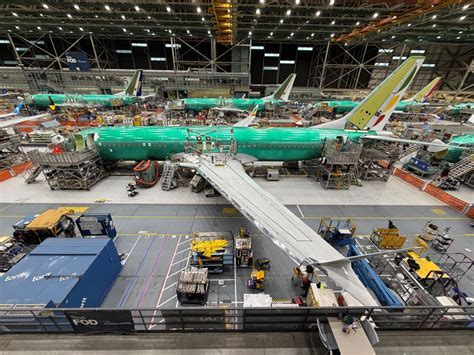
Airlines typically acquire aircraft through three primary methods:
- Direct purchase
- Bank financing
- Operating leases
Leasing has become the most common method in modern aviation. Leasing companies purchase aircraft and rent them to airlines under long-term agreements.
Lease rates depend heavily on aircraft age and market conditions. A relatively new Boeing 737 may command monthly lease payments between $300,000 and $400,000, while older aircraft may lease for significantly less.
When converted into hourly operating costs, ownership expenses can add $1,000 to $3,000 per flight hour, depending on utilization levels.
The Unique Economics Of The Boeing Business Jet
Not all Boeing 737 aircraft operate within traditional airline environments. The Boeing Business Jet (BBJ) represents a specialized variant designed for private and government use.
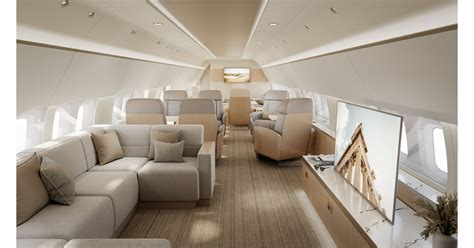
These aircraft feature highly customized interiors, often including private bedrooms, conference rooms, and luxury lounges. While visually impressive, these modifications significantly alter the economics of the aircraft.
Unlike commercial airliners that may fly 3,000 to 4,000 hours annually, a BBJ may operate only 200 to 400 hours per year. Because fixed costs remain relatively constant, the reduced utilization dramatically increases hourly operating expenses.
Industry estimates suggest that operating a Boeing Business Jet can cost $10,000 to $15,000 per flight hour, far higher than commercial airline operations.
These aircraft are not designed to maximize efficiency. Instead, they prioritize privacy, range, and executive mobility, making cost considerations secondary.
Why The Boeing 737 Remains Economically Competitive
Despite fluctuations in fuel prices and maintenance expenses, the Boeing 737 continues to dominate global aviation for one simple reason: balanced operating economics.
The aircraft offers a combination of advantages that airlines value highly:
- Efficient fuel consumption for short- and medium-haul routes
- Moderate maintenance complexity
- Strong reliability and dispatch performance
- High passenger capacity relative to operating cost
Modern variants such as the Boeing 737 MAX have further improved fuel efficiency through advanced engines and aerodynamic refinements. These improvements allow airlines to reduce fuel consumption by up to 14% compared with previous generations.
For airlines seeking profitability in competitive markets, the Boeing 737 remains one of the most practical aircraft choices available.
Final Cost Estimates For Operating A Boeing 737
The cost of operating a Boeing 737 ultimately depends on numerous operational variables. However, industry data consistently places commercial airline operating expenses within a recognizable range.
Typical estimates include:
- Fuel: $3,000–$4,000 per hour
- Maintenance: $1,000–$2,000 per hour
- Crew: $500–$1,200 per hour
- Ownership and financing: $1,000–$3,000 per hour
When combined, these figures produce a total operating cost of approximately $5,000 to $8,500 per flight hour for most airline operations.
For private Boeing Business Jet configurations, the cost may exceed $10,000 to $15,000 per hour due to lower utilization and luxury customization.
Ultimately, the Boeing 737’s operating cost cannot be summarized by a single universal figure. Instead, it reflects a complex interplay of fuel markets, maintenance planning, operational strategy, and financial structure. What remains clear, however, is that the aircraft’s efficient design and operational flexibility have allowed it to remain one of the most economically successful commercial jets in aviation history.