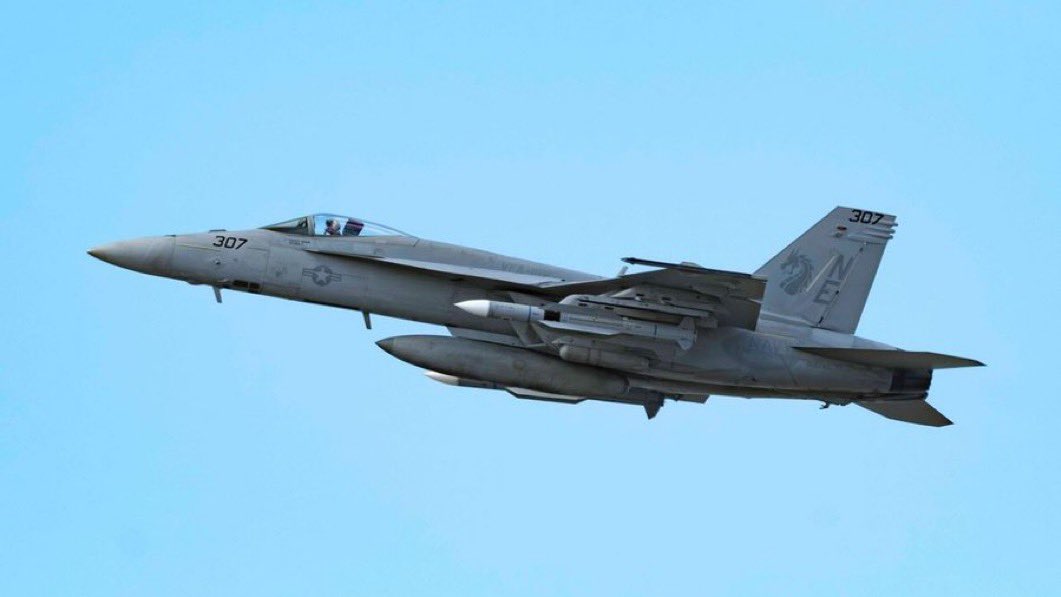
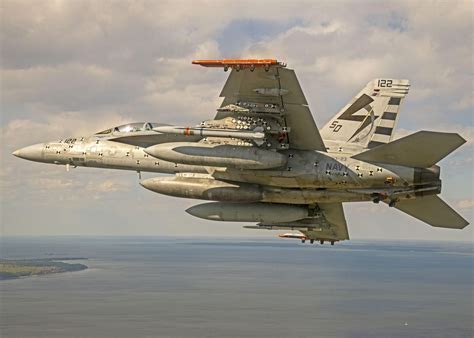
The F/A-18 Hornet and its advanced variant, the F/A-18E/F Super Hornet, serve as crucial fighter jets for the United States Navy (USN) and various allied air forces. One of the most critical factors in assessing these aircraft is their cost per flight hour (CPFH), which reflects operational expenses, maintenance requirements, and deployment logistics. This article provides an in-depth analysis of the CPFH of the F/A-18 series, including its cost variations, comparisons with other aircraft, and long-term trends.
Understanding the Cost Per Flight Hour (CPFH) of the F/A-18
CPFH is a key metric in military aviation, encompassing fuel costs, maintenance, spare parts, and logistical support. This cost varies significantly based on whether the aircraft operates from a land-based airstrip or an aircraft carrier. Several factors influence these costs, including airframe age, mission type, and support requirements.
F/A-18C Hornet CPFH
The F/A-18C, an early but widely used model, has varying CPFH based on its operational environment:
- $10,000 per hour for land-based operations (according to a 2011 U.S. Department of Defense Comptroller’s report).
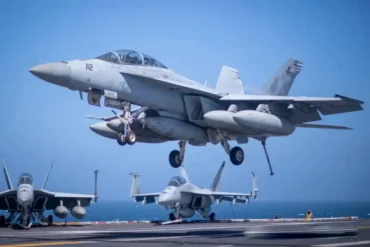
- $18,000 per hour when deployed on an aircraft carrier, accounting for additional expenses such as specialized maintenance crews and aerial refueling.
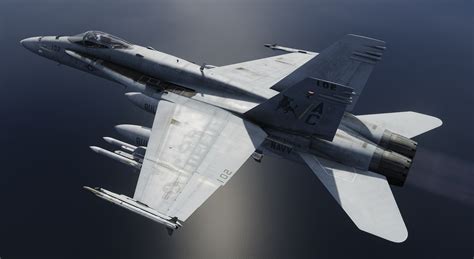
Operating from a carrier deck is inherently more expensive due to the need for catapult-assisted takeoff, arrested landing gear maintenance, and constant exposure to harsh maritime conditions. This higher cost is standard across carrier-based aviation, where operational readiness is paramount.
F/A-18E/F Super Hornet CPFH
The F/A-18E/F Super Hornet represents a significant advancement over its predecessor. Although exact CPFH figures vary, reports suggest that it is cheaper to operate than the older F/A-18A-D models due to improved design efficiencies and reduced maintenance complexity.
Key cost-saving improvements in the Super Hornet include:
- Fewer maintenance hours per flight hour compared to legacy F/A-18s.
- Enhanced durability with corrosion-resistant materials.
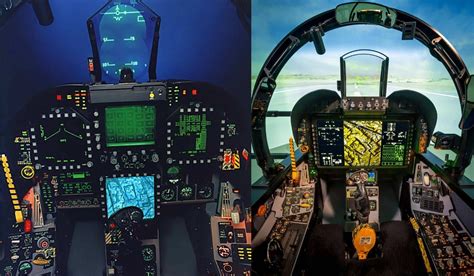
- Advanced avionics and diagnostics systems, reducing manual inspections.
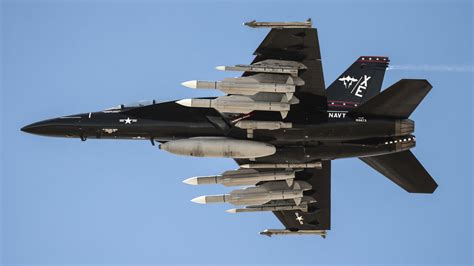
Despite these enhancements, CPFH remains higher than land-based aircraft but lower than next-generation stealth fighters like the F-35 Lightning II.
Comparison: F/A-18 vs. F-35 CPFH
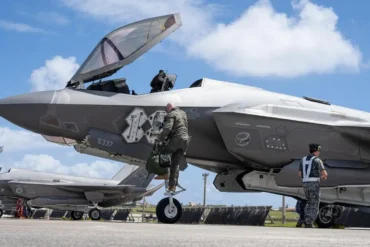
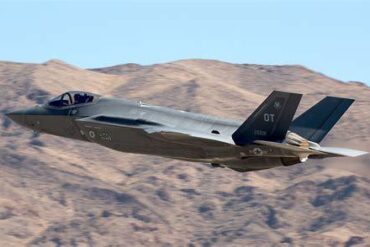
The F/A-18E/F Super Hornet is frequently compared to the F-35C, the carrier-variant of the F-35 Lightning II. Leaked Navy documents estimated the F-35’s CPFH at approximately $30,000 per hour, making it 30-50% more expensive than the F/A-18’s carrier-based cost.
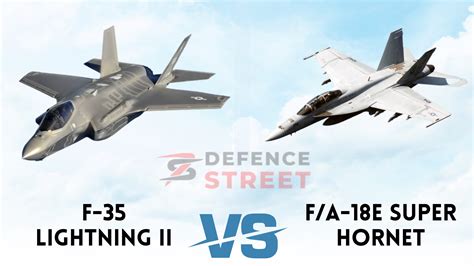
While the F-35 offers superior stealth capabilities, its operational costs are significantly higher due to its complex maintenance requirements and sustainment challenges. Over time, however, advancements in technology and production scaling could lead to a reduction in the F-35’s CPFH.
Factors Affecting F/A-18 CPFH
Several variables impact the CPFH of the F/A-18 series, including:
1. Maintenance and Aging Aircraft
Older F/A-18A-D models face rising sustainment costs due to structural fatigue, parts obsolescence, and increased repair frequency. The Super Hornet, being newer, was specifically designed for easier maintenance and longer service life.
2. Carrier vs. Land-Based Operations
Aircraft deployed on carriers experience higher operational strain, requiring specialized support systems, aerial refueling, and rapid-response maintenance teams, all of which increase CPFH.
3. Fuel Consumption and Logistics
Fuel costs are a major component of CPFH, with naval aviation demanding additional tanker support for extended missions. The Super Hornet’s fuel efficiency improvements help mitigate some of these costs.
Long-Term CPFH Trends for the F/A-18 Series
Increasing Costs for Older Models
As aircraft age, their sustainment costs rise. The F/A-18A-D models, having been in service since the 1980s, are progressively more expensive to maintain and operate.
Efficiencies in the Super Hornet Program
The F/A-18E/F is expected to remain in service well into the 2040s, with the Block III upgrade bringing further cost-saving efficiencies, improved avionics, and enhanced stealth coatings.
Future Fleet Considerations
The U.S. Navy continues to evaluate the next-generation carrier aircraft, but the Super Hornet remains a cost-effective workhorse for carrier operations until the F/A-XX program fully materializes.
Frequently Asked Questions (FAQ)
1. Why does the F/A-18 cost more per hour on an aircraft carrier?
Carrier-based operations require specialized launch and recovery equipment, additional maintenance, and logistical support, all of which increase CPFH compared to land-based operations.
2. How does the F/A-18 compare to the F-35 in terms of cost?
The F/A-18E/F Super Hornet is 30-50% cheaper to operate per hour than the F-35C, making it a more cost-efficient choice for carrier-based missions despite the stealth and sensor advantages of the F-35.
3. Will the cost of operating the F/A-18 decrease over time?
For older F/A-18A-D models, costs are increasing due to aging airframes and higher maintenance needs. However, the Super Hornet Block III upgrades aim to reduce sustainment costs and extend operational efficiency well into the future.