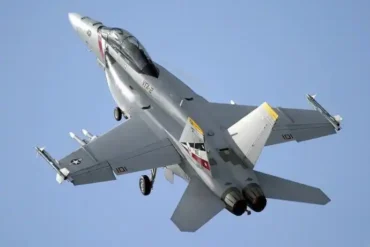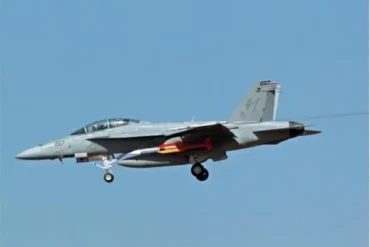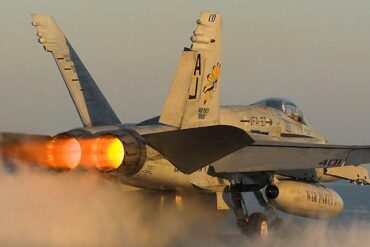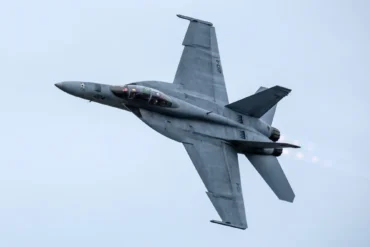
Overview of F-18 Super Hornet Operating Costs
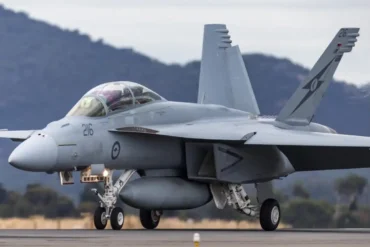
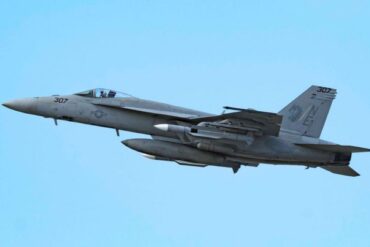
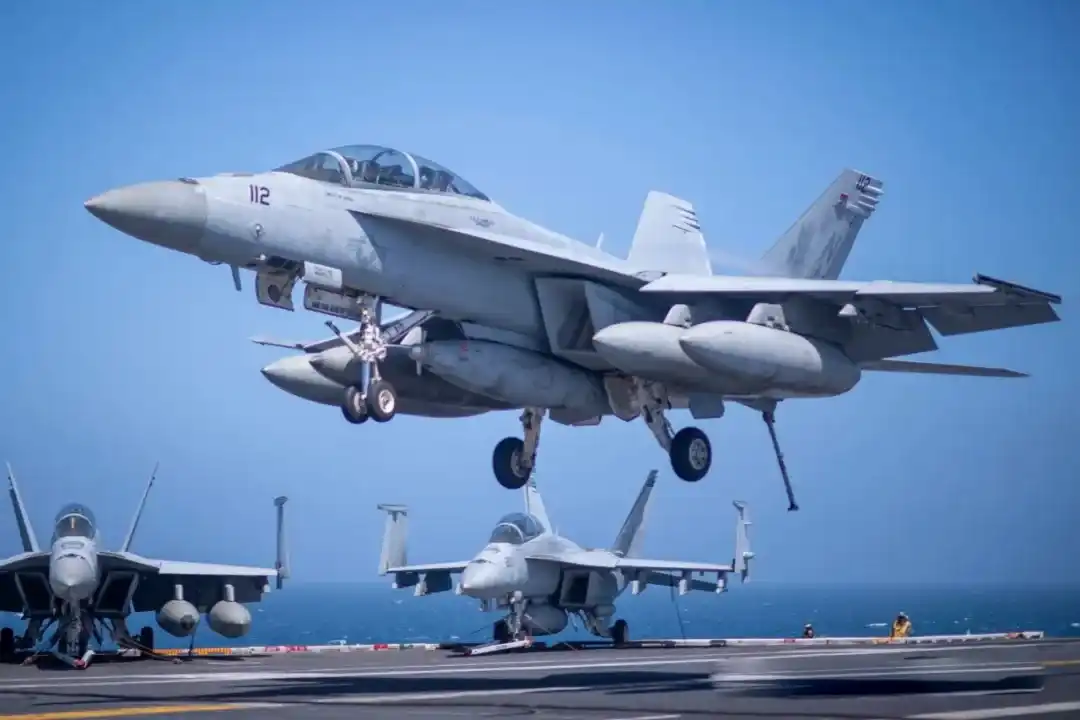
The F/A-18 Super Hornet, a multirole fighter aircraft extensively used by the United States Navy, has an operational cost that reflects its advanced capabilities and mission flexibility. The cost per flight hour for this aircraft varies based on the specific variant, with the F/A-18F (two-seat variant) costing approximately $22,266 per hour, while the F/A-18E (single-seat variant) incurs $17,584 per hour in expenses. These costs are derived from the latest Department of Defense (DoD) reimbursement rates, which include expenditures on fuel, maintenance, crew compensation, and other operational factors.
Breakdown of Costs by Variant
The operational costs of the Super Hornet are influenced by several factors, including variant type, mission profiles, and maintenance demands. The FY2024 reimbursement rates provide a structured insight into these expenses:
| Aircraft | Other DoD Component User Rate | Other Federal User Rate | FMS User Rate | All Other User Rate |
|---|---|---|---|---|
| F/A-18E | $17,584 | $17,710 | $17,714 | $18,418 |
| F/A-18F | $22,266 | $22,519 | $22,528 | $23,420 |
The two-seat F/A-18F variant has a notably higher operational cost due to increased crew requirements and mission complexity. This variant is frequently used for roles requiring additional personnel, such as electronic warfare and extended combat operations.
Historical Trends in F-18 Super Hornet Costs
Cost Evolution Since 2016
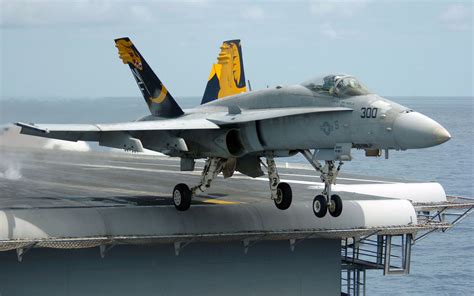
In 2016, the operational cost for the F/A-18F Super Hornet was reported at $10,507 per hour, according to Department of Defense data. Comparing this with the FY2024 figure of $22,266, there has been a substantial cost increase. Key factors contributing to this rise include:
- Inflationary impact: A 2% annual inflation rate from 2016 to 2025 would account for a 20% cost increase, bringing the 2016 figure to approximately $12,608.
- Maintenance expenses: Aging aircraft require more extensive repairs, overhauls, and parts replacement.
- Fuel price fluctuations: Variability in fuel costs affects all military aviation expenses.
- Operational intensity: Increased deployments and high-stress missions accelerate component wear and tear.
Unexpected Cost Considerations
A notable detail is that independent estimates in 2016 suggested a “true” operational cost of approximately $22,000 per hour. This aligns closely with the current DoD reimbursement rate of $22,266, suggesting that prior published rates may have underestimated full operational costs. The discrepancy in earlier reports could have stemmed from incomplete accounting practices, where certain costs such as capital expenses and long-term maintenance planning were not fully reflected.
Key Cost Components
1. Fuel Consumption and Costs
The F/A-18 Super Hornet consumes approximately 1,100 gallons of fuel per hour, depending on mission parameters. With jet fuel prices fluctuating, fuel remains a major cost driver.
2. Maintenance and Spare Parts
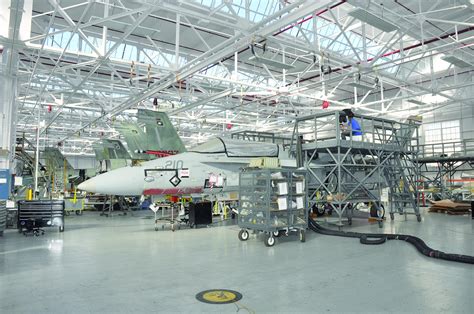
Maintenance accounts for a significant portion of operating expenses. Rotables, consumables, and labor costs contribute heavily, with each aircraft requiring frequent inspections, component overhauls, and engine servicing.
3. Crew and Training
For the F/A-18F, pilot and Weapons Systems Officer (WSO) salaries and training further increase costs. The dual-crew requirement makes this variant inherently more expensive.
The Role of Inflation and Budgeting in Cost Analysis
While inflation plays a significant role in cost escalation, it does not fully account for the increase from $10,507 in 2016 to $22,266 in 2024. Factors such as increased mission intensity, extended service life, and new maintenance protocols have all contributed to rising expenditures. Additionally, military budgeting processes often rely on outdated cost models, leading to gaps between published reimbursement rates and actual operational spending.
Conclusion
The F/A-18 Super Hornet remains a crucial asset for the United States Navy, offering a balance of multirole capabilities and carrier suitability. However, its operating costs have nearly doubled since 2016, reflecting a combination of inflation, maintenance demands, and changing operational requirements. The current cost per flight hour is $22,266 for the F/A-18F and $17,584 for the F/A-18E, making it one of the more expensive carrier-based fighter aircraft in service today.
Frequently Asked Questions (FAQ)
1. Why is the F/A-18F more expensive than the F/A-18E?
The F/A-18F (two-seat variant) incurs higher costs due to additional crew requirements, increased maintenance complexity, and mission-specific modifications. The presence of a Weapons Systems Officer (WSO) increases salary and training expenses, contributing to the $22,266 per hour cost.
2. Has the cost per hour of the F-18 Super Hornet increased over time?
Yes. In 2016, the reported operating cost was $10,507 per hour for the F/A-18F variant. By FY2024, this figure had risen to $22,266, reflecting inflation, increased fuel costs, and higher maintenance demands.
3. What factors contribute the most to the operating cost of an F-18 Super Hornet?
The primary cost components include:
- Fuel consumption: Approximately 1,100 gallons per hour, with fluctuating fuel prices impacting costs.
- Maintenance and parts: Includes rotables, avionics, and airframe inspections.
- Crew and training: Salaries, training, and mission-specific costs contribute significantly.
- Depreciation and capital expenses: The amortized cost of the aircraft itself.
The F/A-18 Super Hornet remains a highly capable carrier-based fighter, but its operational costs require careful budgeting and cost management to ensure fleet sustainability.