American Airlines Reverts to Standard DOT Refund Rules
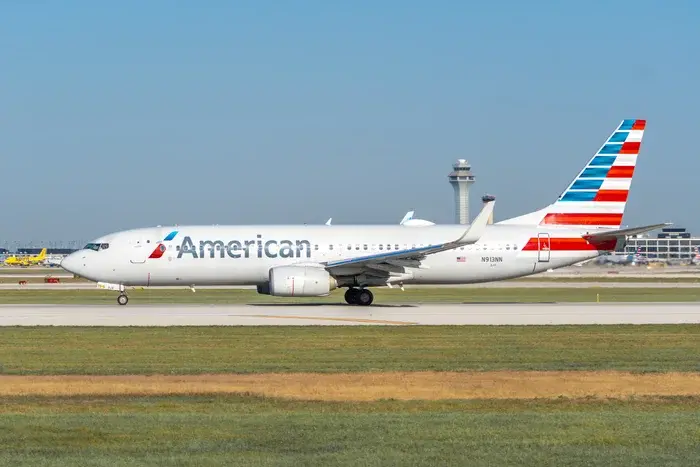
American Airlines has quietly removed one of its most flexible customer-friendly booking protections, ending the ability for travelers to receive a full refund within 24 hours when purchasing flights less than seven days before departure. The change brings the carrier in line with most major US airlines that follow the minimum requirements established by the US Department of Transportation (DOT).
For years, American Airlines offered a broader cancellation window than federal rules required. Travelers could book a flight only a few days before departure and still cancel within 24 hours for a complete refund. That flexibility became especially valuable for business travelers, families managing uncertain schedules, and passengers waiting for last-minute plans to become clear.
The airline’s updated policy now means passengers booking flights close to departure must carefully review their fare conditions before completing a purchase. Under the federal rule introduced in 2012, airlines are required to provide a 24-hour refund option only when tickets are purchased at least seven days before the scheduled departure date.
Pandemic-Era Flexibility Comes to an End
American Airlines’ previous refund approach was largely shaped by the extraordinary conditions created during the COVID-19 pandemic. As travel demand collapsed and passengers faced unpredictable restrictions, airlines temporarily introduced more generous cancellation policies to rebuild customer confidence.
During that period, American converted many bookings into fully refundable reservations within 24 hours rather than simply maintaining traditional ticket holds. The policy remained after the worst travel disruptions ended, giving passengers an advantage that went beyond the standard industry practice.
However, as airlines continue focusing on profitability and operational recovery, many of those temporary customer protections have disappeared. American’s decision reflects a broader industry movement toward restoring stricter fare rules while increasing revenue control.
With this change, Delta Air Lines becomes one of the few major US carriers still offering a more flexible approach for certain last-minute bookings. American now joins airlines including United Airlines, JetBlue, and Southwest Airlines in following the basic federal refund framework.
What American Airlines Passengers Can Expect
Although the full refund option has been removed for flights booked within seven days of departure, American Airlines passengers still have some flexibility depending on the fare type. Main Cabin tickets generally remain changeable without traditional change fees for flights originating in North America.
However, cancellations will typically not result in money returned directly to the original payment method. Instead, eligible passengers receive an American Airlines flight credit representing the remaining ticket value. These credits are usually valid for one year and must be used toward future travel.
Basic Economy passengers face much stricter conditions. These fares are designed for travelers seeking the lowest possible price and usually come with limited flexibility. American Airlines allows some AAdvantage members to cancel eligible Basic Economy tickets for a fee, but non-members may receive no usable value after cancellation restrictions apply.
Airlines Tighten Basic Economy Restrictions
The rollback of American’s refund policy is part of a larger trend across the airline industry. Since 2020, carriers have increasingly adjusted their ticket structures to balance customer flexibility with financial recovery.
In August 2020, United Airlines eliminated change fees on many standard economy and premium tickets. American and Delta quickly followed to remain competitive. These changes transformed the traditional airline model, where passengers often paid significant fees to modify travel plans.
Today, airlines are separating flexibility based on fare categories. Travelers purchasing Main Cabin or higher-class tickets receive more options, while Basic Economy customers accept stricter limitations in exchange for lower prices.
This has created a common recommendation among frequent travelers: passengers with uncertain schedules should avoid the cheapest fare categories. A slightly more expensive ticket may provide significantly better protection when plans change unexpectedly.
Third-Party Protection Offers Limited Alternatives
Some travelers may consider using travel insurance or credit card protections to replace lost airline flexibility. Premium credit cards such as those offering trip cancellation benefits can sometimes cover eligible cancellations caused by emergencies, severe weather, medical issues, or other qualifying situations.
However, these protections are not a direct replacement for an airline refund policy. Insurance claims often require documentation, and many situations that cause passengers to change plans may not qualify.
Booking platforms may also offer additional protection packages, but these services frequently add extra costs and may require travelers to cancel rather than modify their original reservation.
For many passengers, selecting a more flexible American Airlines fare remains the simplest solution. Business travelers, families, and anyone with uncertain schedules may find that paying slightly more upfront avoids complications later.
A Changing Balance Between Flexibility and Revenue
American Airlines’ decision highlights the continuing shift in airline pricing strategies. During the pandemic, flexibility became a major selling point as travelers prioritized security and adaptability. Today, airlines are returning to policies designed around operational efficiency and revenue management.
For passengers, the lesson is clear: understanding fare rules before booking is more important than ever. While low-cost tickets may appear attractive, the cheapest option can become expensive when plans change.
American Airlines has not removed all flexibility from its network, but the end of its expanded 24-hour refund policy marks another step toward the stricter booking environment that existed before the pandemic.