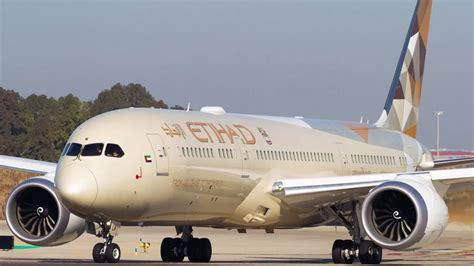
When an airline reshuffles an itinerary in the early hours of the morning, it can create a chain reaction of stress, uncertainty, and expensive consequences for the traveler involved. Etihad’s sudden schedule revision on this Bangkok–Abu Dhabi–Amsterdam–Newcastle journey is one of those situations where a routine trip transforms into a 32-hour endurance run. We explore the practical realities of airline obligations, the limits of compensation frameworks, and the best strategies for securing support during a disrupted long-haul connection.
The original routing was straightforward, with modest layovers and a clean 21-hour door-to-door plan. Everything appeared on track during online check-in the prior evening. Then, a series of overnight emails—sent at approximately 3 a.m. and again just before 6:30 a.m.—drastically altered the traveler’s expectations. The first flight’s delay forced a complete rebooking, changing the path to Abu Dhabi, then on to Paris Charles de Gaulle, and finally Newcastle. Even the screens at Suvarnabhumi Airport and the Etihad website disagreed on the new departure time. In situations like this, misinformation and timing inconsistencies deepen the frustration.
For a traveler already facing a visa deadline, refusing the flight wasn’t an option. The unintended detour through the UAE and then France meant sacrificing a day of comfort, losing hours to airport limbo, and stretching an already ambitious itinerary into a 32-hour trek.
How Etihad Handles Extended Layovers During Last-Minute Disruptions
Long, unexpected layovers raise legitimate questions about what support an airline must provide. In Abu Dhabi, Etihad’s first line of assistance generally includes meal vouchers, lounge access, and in some cases hotel accommodation. These offerings, however, are not guaranteed—especially when the cause of the delay lies outside the airline’s control.
In this traveler’s case, Etihad did ultimately provide a five-hour hotel room, meals, and an airport voucher, which softens but does not erase the impact of a 14-hour wait before the onward flight to Paris. Extended overnight stops tend to fall into a gray zone: long enough to justify rest, yet short enough that some airlines hesitate to offer full accommodation without prompting.
The uncertainty at the bag-drop counter—where staff indicated they could “probably” arrange a lounge or hotel but wouldn’t commit—illustrates how inconsistent these practices can feel from the traveler’s perspective.
EU261, UK261, and Why They Don’t Apply to This Situation
Compensation frameworks such as EU261 (or its UK equivalent, UK261) are widely known but frequently misunderstood. These rules provide fixed cash compensation for long delays, cancellations, and denied boarding, but they only apply in specific circumstances. For this routing, the regulations unfortunately offer no protection.
Because the journey began in Bangkok—outside the EU—and the operating carrier, Etihad Airways, is not an EU or UK airline, this itinerary does not fall under EU261 or UK261. Even though the final destination is Newcastle, the rules only apply to EU departure airports or to EU-based airlines operating flights into the UK or EU. Brexit further complicates matters, severing EU protections for non-EU carriers flying into the UK.
Travelers in similar situations often assume the destination country gives them coverage, but legally, origin and airline nationality govern the regulations. That leaves passengers reliant on the airline’s internal policies rather than external legal guarantees.
What Airlines Are Actually Obligated to Deliver
Airline tickets are contracts of carriage, and buried within their policies is an important truth: airlines guarantee transportation, not schedules. This means an airline must get a person from point A to point B, but not necessarily via the original timings or even the original routing. Whether the itinerary goes via Amsterdam or Paris, or involves a 1-hour or 14-hour layover, the carrier remains within contractual limits.
When delays stem from factors outside airline control—weather disruptions, airport restrictions, safety concerns—the carrier has even fewer obligations beyond rebooking passengers on the next available option. When disruptions arise from operational issues within the airline’s control, such as crew timing or certain mechanical problems, airlines often offer support like meals or accommodations as a matter of policy, even when no law requires them to do so.
Etihad’s decision to provide a hotel room and meal vouchers in Abu Dhabi goes beyond strict contractual requirements. While this does not compensate for lost time or additional expenses such as previously booked hotels, it demonstrates the airline’s willingness to support travelers when feasible.
Navigating Long Layovers: Practical Strategies for Future Trips
Unexpected overnight layovers strain patience, energy, and budget. Travelers facing long delays can improve their experience by engaging proactively with airline staff, documenting all schedule changes, and requesting accommodations that align with industry norms. Even when no law mandates compensation, many airlines respond to clear, reasonable requests—particularly when passengers reference official delay notifications and itinerary changes issued by the airline itself.
When trapped between email alerts, boarding passes with outdated times, and inconsistent signage at the airport, the best approach is to speak directly with ground staff and request clarification. Airlines prefer orderly solutions, and a calm but firm request often secures amenities such as meal vouchers, lounge access, or temporary hotel accommodation.
Should Travelers Expect Cash Compensation for This Kind of Delay?
In this scenario, cash compensation is not supported by EU261, UK261, or similar consumer-protection frameworks. That means no legally enforceable payment for lost time. While this may feel unsatisfying, it is common for long-haul itineraries beginning outside regulated regions.
Some passengers pursue goodwill compensation through the airline’s customer service channels after completing their trip. Results vary widely, and such gestures are not guaranteed. The airline may offer miles, vouchers, or apology credits depending on internal policy and the specifics of the disruption.
The most effective approach is to present a clear timeline of events, include screenshots of delayed-flight notifications and revised itineraries, and outline any reasonable expenses incurred directly due to the disruption.
Final Thoughts: Managing Expectations and Advocating for Fair Treatment
Etihad’s last-minute schedule overhaul transformed a routine journey into a 38-hour odyssey involving an unexpected detour through Abu Dhabi and Paris. While the airline ultimately provided a hotel room and meal support, the incident highlights how quickly long-haul travel can unravel—and how limited legal protections become when flying from non-EU origins with non-EU carriers.
Travelers navigating similar disruptions benefit from understanding the boundaries of airline obligations and the limitations of widely cited compensation laws. Knowledge empowers travelers to ask for the right support at the right moment, whether that means negotiating for lounge access, securing a hotel room, or pursuing goodwill compensation after the ordeal.
The broader lesson is straightforward: long-haul travel requires flexibility, but it also rewards passengers who know their rights, understand the constraints airlines operate under, and advocate confidently when their carefully planned itineraries suddenly shift.