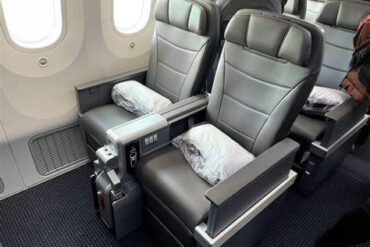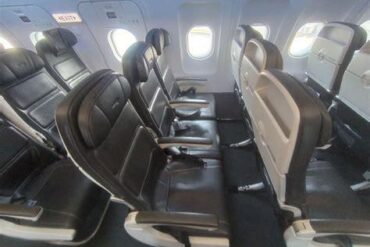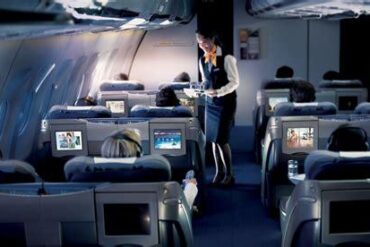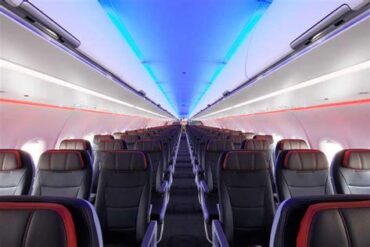
Securing a business class seat at the last minute using miles feels like bending the rules of air travel. While most travelers assume premium cabins demand early booking and sky-high fares, a quieter reality exists behind airline pricing algorithms—one where unsold seats quietly transform into valuable award inventory just days before departure. Understanding how and why this happens is the difference between paying thousands in cash and gliding into a lie-flat seat for a fraction of the cost in miles.
The concept isn’t about luck. It’s about recognizing patterns in airline behavior, decoding loyalty program mechanics, and moving quickly when opportunities surface. Airlines operate on complex revenue management systems designed to maximize profit per seat. When premium cabins don’t fill as expected, those systems often pivot—releasing last-minute business class award tickets to avoid flying empty seats across continents.
This dynamic creates a narrow but powerful booking window, typically within two to three weeks of departure, and sometimes even within days. For flexible travelers, this window can unlock remarkable value—if they know where to look and how to act.
What Business Class Award Tickets Really Are
At their core, business class award tickets allow travelers to exchange frequent flyer miles or points for premium cabin seats instead of paying cash. These tickets are offered through airline loyalty programs such as Emirates Skywards, Singapore Airlines KrisFlyer, and Air Canada Aeroplan, each with its own pricing logic and availability rules.
The appeal is straightforward: a seat that might cost $3,000–$6,000 in cash could instead be booked for 60,000 to 90,000 miles, plus taxes and fees. However, the mechanics behind these redemptions are anything but simple.
Airlines typically divide award inventory into tiers:
- Saver awards: Require fewer miles but are highly limited
- Standard or Advantage awards: Easier to find but significantly more expensive
Availability depends on multiple factors, including route demand, seasonality, and how well the flight is selling. Importantly, award tickets are distinct from upgrades. An upgrade requires an existing paid ticket, while an award ticket replaces the fare entirely with miles.
Even when redeeming miles, travelers should expect to pay taxes, airport charges, and carrier-imposed surcharges, which can vary dramatically depending on the airline and booking channel.
Why Last-Minute Award Availability Exists
Airlines are not in the business of generosity—they are in the business of optimization. Every seat represents potential revenue, and unsold business class seats are among the most expensive losses an airline can incur.
As departure approaches, algorithms reassess demand. If premium seats remain unsold, airlines may:
- Release additional award inventory
- Lower mileage requirements dynamically
- Open seats to partner airline programs
This creates a fascinating paradox: while cash prices for business class often spike last-minute, award pricing can move in the opposite direction. A seat that cost 120,000 miles weeks ago might suddenly appear for 70,000 miles—or become available at all.
This behavior is especially common on:
- Midweek flights
- Off-peak travel seasons
- Routes with historically inconsistent premium demand
Understanding this timing is critical. Booking too early can mean overpaying in miles, while waiting too long risks missing the window entirely.
The True Cost of Last-Minute Business Class Awards
There is no fixed price for last-minute business class award tickets, but consistent patterns provide a useful framework.
On major long-haul routes, typical mileage ranges include:
- Transcontinental (U.S.): 45,000–70,000 miles
- Transatlantic: 60,000–90,000 miles
- Transpacific (Asia): 70,000–110,000 miles
- Australia routes: 80,000–120,000+ miles
In extreme cases—especially with dynamic pricing—awards can exceed 200,000 miles or more. But these are often outliers rather than the sweet spot savvy travelers aim for.
Some programs add additional costs. For example, certain airlines require:
- Co-pays for upgrades (e.g., $350 on long-haul routes)
- Variable surcharges depending on fuel pricing
- Higher taxes when booking through specific partners
Interestingly, the same exact seat can cost vastly different amounts depending on which loyalty program is used. A United Airlines flight might be cheaper when booked through Air Canada Aeroplan or Avianca LifeMiles, even though the seat itself is identical.
Partner Airlines: The Hidden Advantage
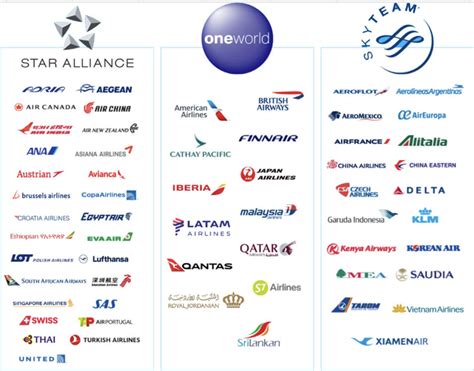
Airline alliances are where the real magic happens. Programs within Star Alliance, Oneworld, and SkyTeam allow members to book flights operated by partner airlines, often unlocking inventory not visible on the airline’s own website.
For example, a United Airlines flight might:
- Show no availability on United’s site
- Appear instantly through Aeroplan or ANA Mileage Club
This discrepancy exists because each program controls its own award pricing charts, routing rules, and seat access.
Some platforms are particularly valuable for last-minute searches:
- Air Canada Aeroplan: Known for flexibility and no close-in booking fees
- United MileagePlus: Strong availability visibility
- British Airways Executive Club: Useful for short-haul premium segments
However, not all programs display the same data. Some, like American Airlines or Delta, may limit partner visibility, requiring travelers to cross-check multiple platforms.
Upgrade vs Award Ticket: A Critical Distinction
Many travelers blur the line between award tickets and mileage upgrades, but the difference can significantly impact strategy.
- Award ticket: Entire fare is paid with miles
- Upgrade: Miles are used to move from one cabin to another
Upgrades often come with restrictions:
- Not all fare classes are eligible
- Some airlines only allow upgrades to the next cabin level
- Certain programs do not permit upgrades on award tickets at all
For instance, buying the cheapest economy fare with the intention of upgrading later can backfire if that fare is non-upgradable. In contrast, booking a premium economy ticket may provide a clearer path to business class using miles.
This makes fare selection just as important as timing.
Advanced Search Strategies That Actually Work
Finding last-minute business class award seats requires persistence and precision. Casual searches rarely uncover the best opportunities.
Instead, effective strategies include:
- Searching multiple dates and nearby airports
- Checking partner airline programs individually
- Using specialized tools like ExpertFlyer or Seats.aero
- Monitoring availability daily as departure approaches
Flexibility is your strongest ally. Shifting departure by even one day can reveal entirely different inventory.
Another overlooked tactic involves searching segment by segment. A direct route may show no availability, while splitting the journey into connections can unlock seats that weren’t visible before.
Cash vs Miles: When Last-Minute Booking Flips the Equation
In most travel scenarios, booking early yields better prices. Business class is one of the few exceptions where last-minute dynamics can invert expectations.
Airline pricing algorithms attempt to distinguish between:
- Business travelers (less price-sensitive, booking late)
- Leisure travelers (more price-sensitive, booking early)
As a result, one-way, last-minute business fares are often priced aggressively high in cash. However, award pricing may not follow the same logic, creating a rare arbitrage opportunity.
In some cases:
- A one-way business class ticket costs $4,000
- The same seat is available for 70,000 miles
That’s not just a discount—it’s a strategic advantage for those who understand the system.
Why Round-Trip Searches Still Matter
Even when focusing on last-minute travel, round-trip pricing logic plays a surprising role.
Airlines often discount return itineraries to:
- Encourage longer stays
- Differentiate leisure from business travelers
- Fill seats in both directions
Sometimes, a round-trip business class fare can be cheaper than a one-way ticket, even if the return leg goes unused. While this tactic is more relevant for cash bookings, it highlights how airline pricing is driven by behavior modeling rather than simple distance or demand.
The Role of Risk in Last-Minute Booking
Let’s be honest—this strategy isn’t foolproof. Waiting for last-minute award availability introduces uncertainty.
Flights can:
- Sell out completely
- Release no additional inventory
- Offer only high-mileage redemption options
Routes with consistently high demand—such as major business corridors or peak holiday travel—are less likely to yield last-minute deals. Airlines have little incentive to discount seats they are confident will sell at full price.
That said, on less predictable routes, the payoff can be extraordinary.

A Strategy That Rewards Flexibility and Precision
Booking last-minute business class award tickets sits at the intersection of timing, knowledge, and adaptability. It’s not about chasing every deal—it’s about recognizing the right moment and acting decisively.
Travelers who succeed with this approach tend to share a few traits:
- Flexible travel dates and destinations
- Familiarity with multiple loyalty programs
- Willingness to monitor availability frequently
They treat miles not as static currency, but as dynamic leverage—deploying them when the value peaks rather than when it’s convenient.
And that’s the real takeaway: the system isn’t random. It’s reactive. When you learn how it reacts, you stop chasing upgrades—and start anticipating them.