The Business Class Award Ticket Shortage In 2026 Is Not An Accident
For travelers who have spent years collecting airline miles, booking a business class award ticket in 2026 feels dramatically different from the golden era of points travel. A redemption that once required careful planning and a healthy mileage balance now often results in empty calendars, unpredictable pricing, or award costs that rival the cash price of an economy ticket. Many travelers assume the problem is simply increased competition, but the reality is far more complex.
The disappearance of easily available premium award seats is the result of a fundamental transformation in how airlines manage loyalty inventory. The shift from traditional award charts to dynamic award pricing systems, combined with the explosive growth of credit card rewards, has changed the economics of airline miles. Airlines now have the ability to control both the price and availability of business class awards at the same time, creating a system that naturally limits access.
A decade ago, travelers could rely on predictable redemption rates. A business class seat between major cities often had a fixed mileage price regardless of how expensive the ticket became in the cash market. If an airline released award space, customers knew approximately how many miles they needed. The challenge was finding availability, not dealing with constantly changing prices.
In 2026, that relationship has been completely reshaped. Airlines increasingly treat award seats as another form of revenue management inventory. When business class demand rises, cash fares increase, and award prices often rise alongside them. At the same time, airlines become less willing to release premium cabin seats for mileage redemption because those same seats may generate thousands of dollars in direct revenue.
The result is what many frequent flyers describe as a double barrier: fewer seats available and more miles required to book them.
How Dynamic Award Pricing Changed The Entire Business Class Redemption Game
The biggest turning point in airline loyalty programs was the gradual disappearance of fixed award charts. Under the old model, airlines published redemption tables that showed exactly how many miles were needed for different regions and cabin classes. A business class flight from the United States to Europe might cost the same number of miles whether the cash ticket was selling for $2,000 or $8,000.
That predictability created opportunities for travelers who understood how to maximize their points. A passenger could transfer credit card points to a partner airline, search for saver-level availability, and secure a premium cabin experience at a reasonable mileage cost.
Dynamic pricing removed that stability.
Major carriers began moving away from traditional award charts because they wanted loyalty programs to better reflect real-time market demand. Instead of separating cash pricing from award pricing, airlines connected the two systems. A flight with strong commercial demand could now become more expensive in both dollars and miles.
For travelers, this created a completely different environment. The question was no longer simply, “Does the airline have a business class award seat?” The more important question became, “Does the airline consider releasing this seat as an award financially worthwhile at this exact moment?”
This subtle change explains why travelers searching for the same route on different days can see dramatically different mileage prices. A business class ticket that costs 80,000 miles one day may suddenly require 200,000 miles a few days later without any formal loyalty program announcement.
The airline has not necessarily changed the rules. Instead, the pricing engine has adjusted according to demand.
The Massive Growth Of Points Supply Is Making Premium Awards Scarcer
At first glance, the explosion of airline miles and credit card rewards should have created more opportunities for travelers. More people earning points should theoretically mean more loyalty inventory and more competition between airlines for redemptions.
The opposite has happened.
The number of people holding large points balances has grown dramatically since the pandemic. Banks have aggressively expanded premium credit card programs, offering enormous welcome bonuses that can provide hundreds of thousands of points after meeting spending requirements.
For many consumers, earning enough points for a business class redemption is no longer the difficult part. The real challenge is finding an airline willing to accept those points for a valuable premium seat.
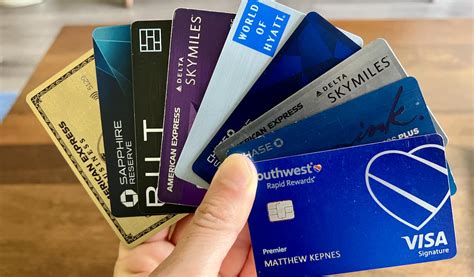
Airlines receive significant revenue from selling miles to banks. These partnerships have become some of the most profitable parts of modern loyalty programs. However, when a passenger redeems miles for a business class seat, the airline gives up the opportunity to sell that seat to a high-paying customer.
This creates a conflict.
Airlines want customers to collect miles because selling points generates revenue. But they also want to protect premium cabin inventory because business class passengers often pay much higher fares.
As the number of points holders increases, airlines face greater pressure on their award inventory. Their solution has generally not been releasing more business class seats. Instead, many carriers have become more selective about when and where they make premium awards available.
The most affected routes are usually the ones travelers want most: major international business markets connecting financial centers and global hubs. Flights between cities such as New York and London, Los Angeles and Tokyo, or Chicago and Paris often have strong paid business class demand, reducing the incentive for airlines to release seats as awards.
Why Business Class Award Space Appears Only At Specific Times
Although business class award availability has become more difficult, it has not disappeared completely. The biggest difference in 2026 is that successful award booking requires understanding exactly when airlines release inventory.
The most valuable window is usually when the booking calendar opens. Many airlines allow customers to reserve flights approximately 11 to 12 months before departure. During this early period, airlines have not yet finalized how strong demand will be for every departure.
Because of that uncertainty, some carriers release a limited amount of premium award inventory when schedules first become available.
Experienced award travelers often monitor these opening dates because the best opportunities can disappear quickly. A desirable business class seat on a popular route may be available for a reasonable mileage amount in the morning and gone by the afternoon.
The second opportunity appears closer to departure.
If a flight still has unsold business class seats, some airlines may release additional award inventory shortly before departure. However, this strategy is far less reliable because it depends heavily on route demand.
A flight between smaller cities may suddenly offer excellent availability. A premium international route operated between two major financial centers may remain completely unavailable until departure.
This means travelers can no longer depend on waiting strategies alone. Flexibility, timing, and knowledge of airline programs have become essential.
The Loyalty Programs That Still Offer Real Business Class Award Opportunities
While many airline programs have become more restrictive, some loyalty programs remain valuable because they provide access to partner airline inventory and maintain more predictable redemption structures.
Programs connected to large airline alliances often provide an advantage because travelers are not limited to searching a single carrier. A passenger may find availability through a partner program even when the operating airline’s own website shows nothing useful.
Air Canada Aeroplan remains popular among award travelers because it provides access to a large Star Alliance network. This can open opportunities on airlines such as Lufthansa, Singapore Airlines, and United Airlines, depending on availability.
Air France-KLM Flying Blue is another major player because it offers access to European routes and regularly provides promotional discounts through its loyalty program. These discounts can significantly reduce mileage requirements for selected destinations.
Virgin Atlantic Flying Club is also known for unusual redemption opportunities, particularly through airline partnerships. Some partner flights can require significantly fewer points compared with booking through the operating airline’s own loyalty program.
However, these programs also require more knowledge. The cheapest redemption options often come with restrictions, limited availability, fuel surcharges, or complicated booking rules.
The most effective strategy in 2026 is usually not collecting one airline’s miles exclusively. Instead, many experienced travelers focus on flexible bank reward currencies and transfer points only after confirming that award space exists.
This approach reduces the risk of being trapped with millions of points that cannot be used effectively.
Why Booking Two Business Class Award Seats Has Become Even Harder
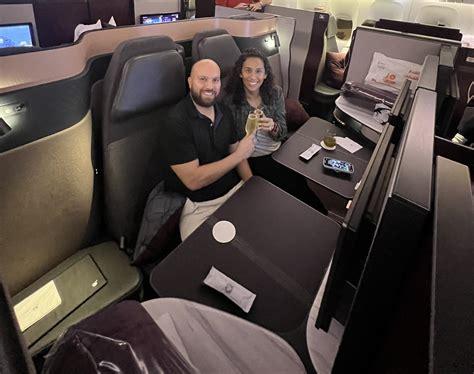
Finding one business class award seat is challenging. Finding two or more seats on the same flight is an entirely different problem.
Airlines rarely release large blocks of premium award inventory. Instead, they often release one seat at a time based on their revenue forecasts. A couple traveling together may find one available business class seat while the second passenger faces a completely different price or no availability.
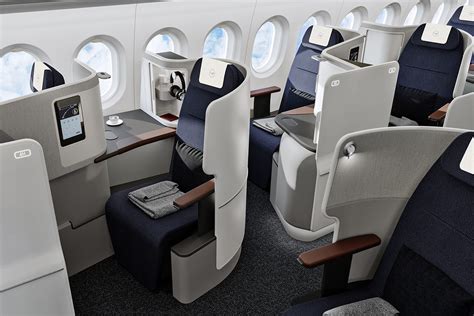
This problem has become especially noticeable on popular international routes. Historically, airlines might release several premium seats because demand forecasting was less sophisticated. Today, advanced revenue management systems allow airlines to predict potential buyers more accurately.
A business class cabin with several empty seats a few days before departure does not automatically mean award space will appear. Airlines may prefer selling discounted cash fares, upgrading elite members, or preserving inventory for last-minute business travelers.
For families and couples, flexibility has become almost mandatory. Some travelers now book separate flights, mix airline partners, or accept different aircraft products to complete their journey.
The traditional idea of using miles to easily book two premium seats together has become one of the biggest casualties of the modern loyalty landscape.
The Real Reason Business Class Awards Feel Impossible In 2026
The difficulty of booking business class award tickets in 2026 is not caused by one single factor. It is the result of several forces working together: dynamic pricing, massive points inflation, stronger premium cabin demand, and increasingly sophisticated airline revenue systems.
The most important change is that airlines now have the ability to adjust both sides of the equation simultaneously. They can increase the number of miles required while reducing the number of seats available for redemption.
Under the old award chart system, airlines could restrict inventory, but the mileage price remained predictable. Dynamic pricing removed that protection. The airline now controls the entire redemption experience.
For travelers, this means having a large mileage balance is no longer enough. The winning strategy has changed from simply collecting points to understanding airline behavior.
Successful business class award booking in 2026 requires searching early, using multiple loyalty programs, maintaining flexibility, and knowing which partners provide the best access to premium cabins.
The future of award travel will likely continue moving toward more personalized and demand-based pricing. Unless airlines decide to restore stronger redemption protections, the days of casually finding cheap business class awards are unlikely to return.
The travelers who succeed will not necessarily be those with the most miles. They will be the ones who understand the system behind the miles.