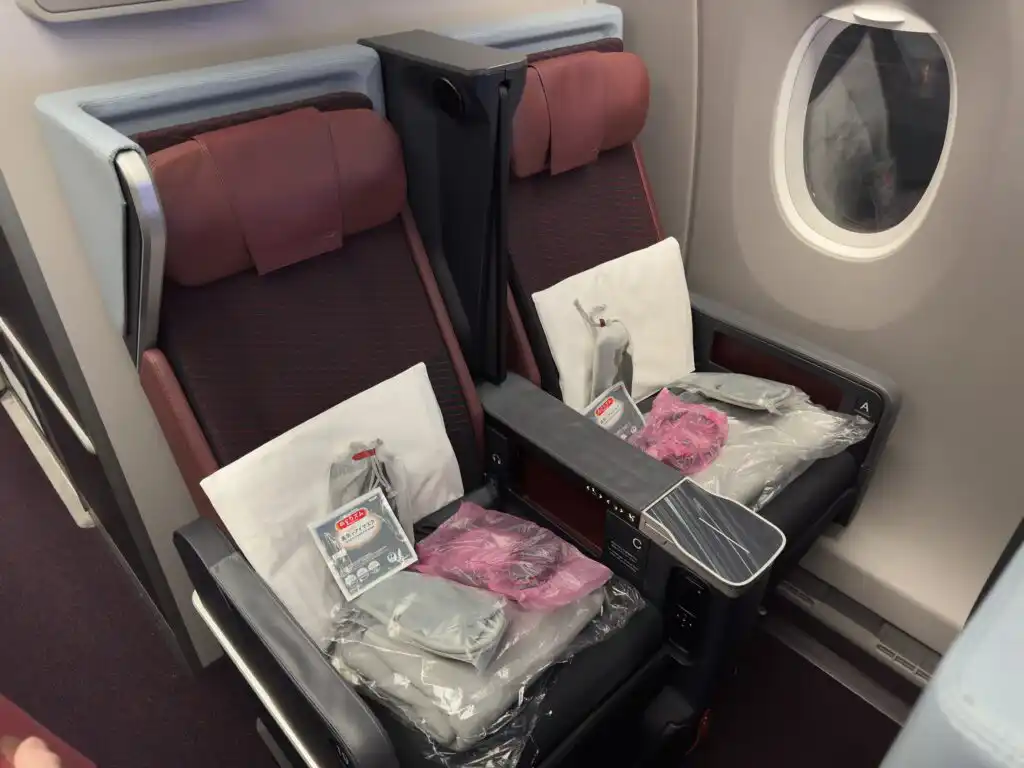
Japan Airlines has quietly engineered one of the most disruptive cabin products in the transpacific market, and it is not the one most passengers would expect. The carrier’s Airbus A350-1000 Premium Economy cabin, introduced alongside the aircraft’s debut in late 2023 and now flying on a handful of flagship long-haul routes, has become so compelling that it is functionally poaching passengers who would ordinarily book business class. This is not marketing spin or a slight tweak to an existing product. It represents a deliberate recalibration of what premium economy can be when an airline decides to stop treating it as a mere buffer between coach and the front cabin and instead builds something that feels like a destination in its own right.
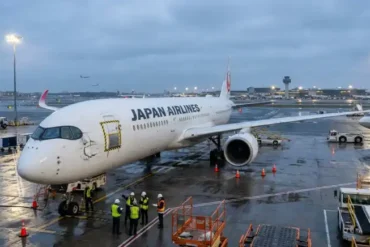
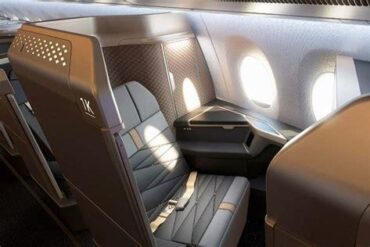
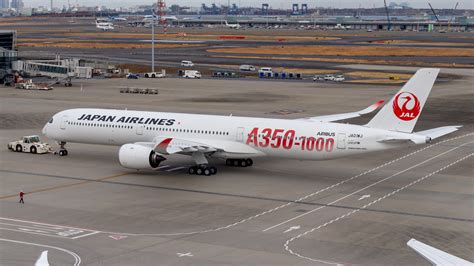
The strategic logic behind this shift becomes clear when you examine how Japan Airlines has positioned the A350-1000 within its broader fleet. The carrier took delivery of its first A350-1000 in December 2023, debuting the aircraft on the Tokyo Haneda to New York JFK route the following January. Today, with 11 of an eventual 13 A350-1000s in service, the type serves as the flagship of JAL’s international long-haul operation. It is configured for just 239 passengers across four cabins: six first, 54 business, 24 premium economy, and 155 economy. That is a dramatically lower density than the 369- or 391-seat A350-900s that handle high-demand domestic and regional missions. The reduced capacity signals intent. Japan Airlines is not chasing volume with this aircraft. It is courting higher-paying premium passengers on the world’s longest and most competitive routes, and it has given its premium economy cabin an outsized share of attention in that pursuit.
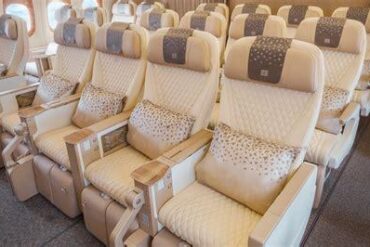
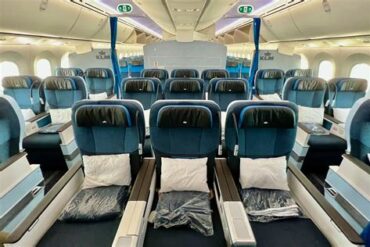
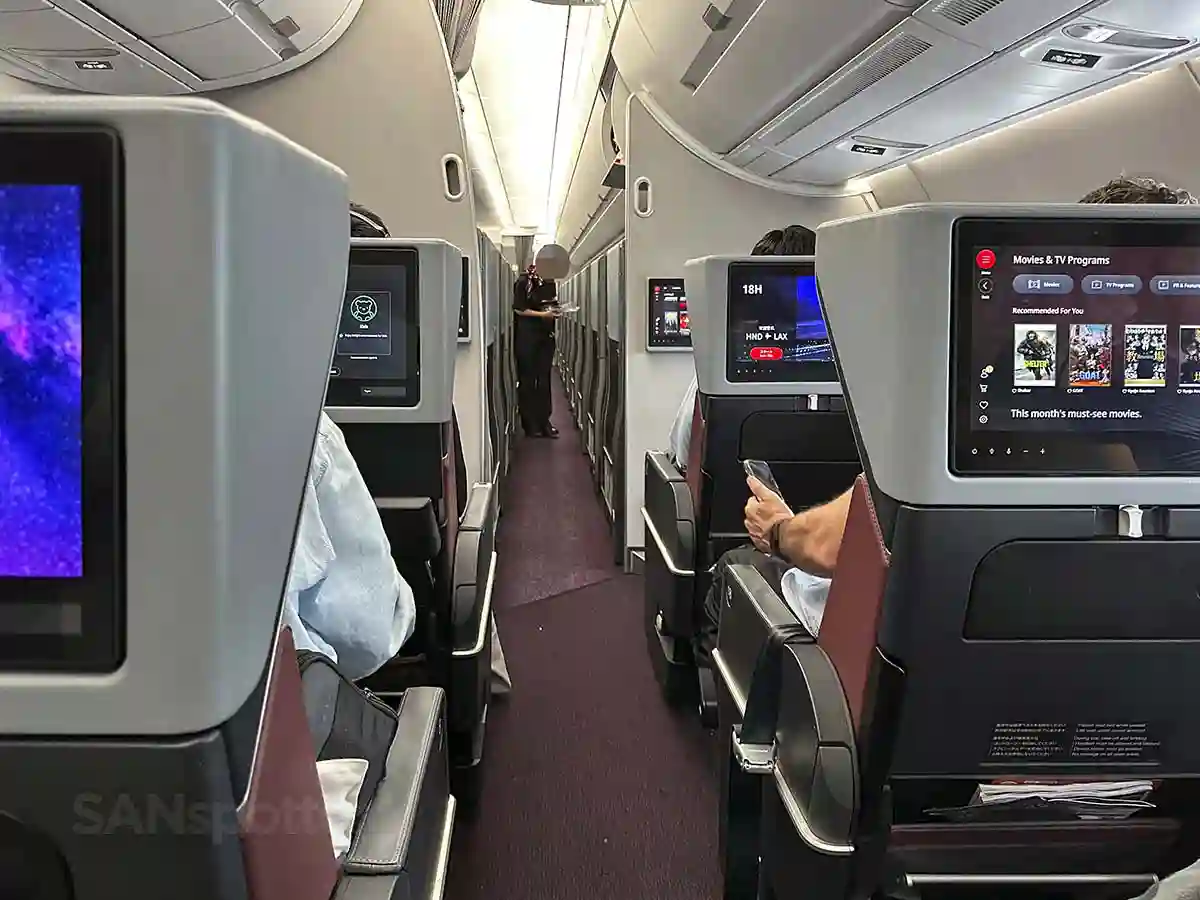
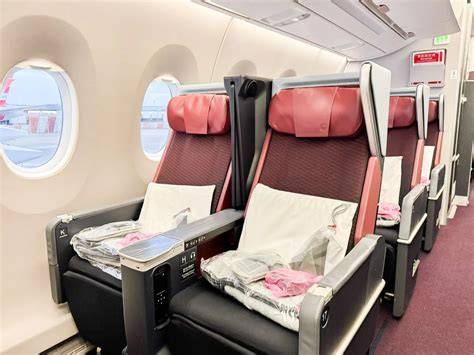
What makes this cabin so effective at luring business class regulars is the combination of hard product improvements and soft product inclusions that, on most other airlines, would be unthinkable at the premium economy price point. The seat itself is a hard-shell design with a maximum pitch of 42 inches and a width of 19 inches, consistent with JAL’s premium economy offerings on the 787-9 and 777-300ER. But the A350-1000 version introduces motorized controls, replacing the manual recline mechanisms found on older aircraft, along with larger partitions between neighboring seats that materially enhance privacy. The entertainment system has also been upgraded to a 16-inch 4K screen, which JAL notes is 1.3 times larger than the displays on its other long-haul aircraft. These are not incremental improvements. They are the kind of touches that, when combined, shift the passenger experience from “elevated economy” to something that genuinely resembles a business-lite proposition.
Where Japan Airlines truly separates itself from the pack, however, is in the airport experience it extends to premium economy passengers. At Tokyo Haneda and Narita, Osaka Kansai, and Nagoya Chubu Centrair, premium economy travelers get dedicated check-in counters. At other stations, they are permitted to use business class check-in areas. Each passenger receives two checked bags up to 23 kilograms apiece, priority boarding that follows business class, and priority baggage claim on arrival. In some cases, priority security screening is also available. These are the kinds of perks that, on most carriers, are reserved for business class and above, and they materially reduce the friction of long-haul travel in ways that a slightly wider seat cannot.
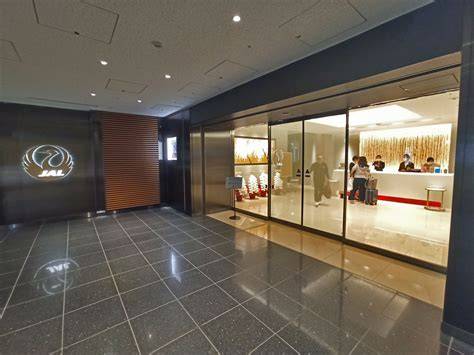
The most striking inclusion, though, is lounge access. On Japan Airlines, premium economy passengers receive complimentary access to the carrier’s Sakura Lounges, along with specific partner lounges such as the Lounge Ryurin at Naha Airport in Okinawa and the China Airlines Mei Yuan Lounge at Taiwan Taoyuan International Airport. Critically, this access is granted regardless of fare type. That distinction matters enormously. Many US carriers market unbundled premium economy fares that strip away perks to attract price-sensitive buyers, meaning the passenger in the next seat may have paid less but also receives far less. Japan Airlines does not play that game. Whether a customer books the most restrictive or the most flexible premium economy fare, the airport and onboard experience remains identical. The only variables are change and refund flexibility. This flat-rate approach to service removes the guesswork and the resentment that comes with tiered premium economy pricing, and it makes the cabin far more attractive to business travelers who are accustomed to consistency.
When you place Japan Airlines’ premium economy against its transpacific competitors, the gap becomes even more pronounced. The transpacific market is brutally competitive, with All Nippon Airways, Singapore Airlines, and EVA Air vying for the same premium leisure and business travelers on the Asian side, and United, Delta, and American competing from the US. EVA Air’s 787-9 premium economy cabin, with its hard-shell seat and 42-inch pitch, is widely regarded as one of the best in the world. All Nippon Airways is among the few carriers that extend lounge access to premium economy passengers. But the US legacy carriers lag considerably. Seat pitch across Delta, United, and American’s long-haul premium economy cabins hovers closer to 38 inches, and lounge access is absent from the perk list entirely. On those airlines, premium economy remains what it was originally intended to be: an intermediate step between coach and business class, not a genuine alternative to the front cabin.
Japan Airlines has effectively closed that gap. By offering a seat with business-class-adjacent dimensions, a 4K entertainment system, priority handling at every stage of the airport journey, and lounge access that rivals what business class passengers receive on many carriers, the airline has created a product that makes the jump to business class feel less necessary for a significant segment of travelers. A business traveler who values lounge access, priority boarding, and a comfortable seat but cannot justify the business class fare will find that Japan Airlines’ premium economy checks nearly every box. The only meaningful sacrifices are the lie-flat bed and the more elaborate meal service. For daytime transpacific flights or for travelers who prioritize budget flexibility, those sacrifices are increasingly easy to accept.
The catch, and it is a significant one, is availability. With only 11 A350-1000s in the fleet, Japan Airlines can deploy its newest premium economy cabin on just five routes, all originating from Tokyo Haneda. These are New York JFK, with twice-daily service each way; Dallas Fort Worth, once daily each way; Los Angeles, once daily each way; London Heathrow, twice daily each way as of the 2026 winter season; and Paris Charles de Gaulle, once daily each way. That is a remarkably limited footprint for a product this compelling. By contrast, United alone operates 13 daily flights between the continental US and four Japanese airports this winter season. Japan Airlines does serve the transpacific market with its 787-9 and 777-300ER fleets, both of which feature premium economy cabins, but those seats lack the motorized controls, the larger partitions, and the 16-inch 4K screens. The gap between the A350-1000 premium economy experience and the older premium economy experience is wide enough that savvy travelers will actively seek out the newer aircraft, and securing a seat on one of those five routes is no small feat.
This scarcity, paradoxically, reinforces the cabin’s allure. When a product is both excellent and difficult to book, it acquires a reputation that spreads organically among frequent flyers. The travelers who manage to secure a seat in Japan Airlines’ A350-1000 premium economy cabin become vocal advocates, and their accounts of lounge access, priority treatment, and a seat that rivals business class on other carriers circulate through flyer forums and social media. That word-of-mouth marketing is precisely what poaches business class passengers over time. A traveler who books business class out of habit may try premium economy on a Japan Airlines A350-1000 once, discover that the experience meets their needs at a fraction of the cost, and never look back. The airline has essentially created a feeder system that converts business class regulars into premium economy loyalists, and it has done so without devaluing its business class product, which remains a genuinely superior experience with lie-flat seats and enhanced dining.
The broader implication for the industry is that premium economy is no longer a monolithic category. Japan Airlines has demonstrated that the cabin can be configured and serviced in ways that make it a legitimate business class substitute on long-haul routes, not merely a consolation prize for travelers who cannot afford the front cabin. The combination of a hard-shell seat with motorized controls, a 4K entertainment system, flat-rate perks regardless of fare type, and lounge access has produced a product that competes on dimensions that actually matter to business travelers. Competitors will inevitably respond, and the transpacific premium economy segment is likely to see a wave of enhancements as a result. For now, though, Japan Airlines holds a distinct advantage on the handful of routes where its A350-1000 flies, and the passengers who have discovered that advantage are increasingly unwilling to pay business class prices for a marginally better seat and a slightly better meal. The airline’s newest premium economy cabin is not just poaching business class passengers. It is redefining what those passengers should expect from a premium cabin in the first place.