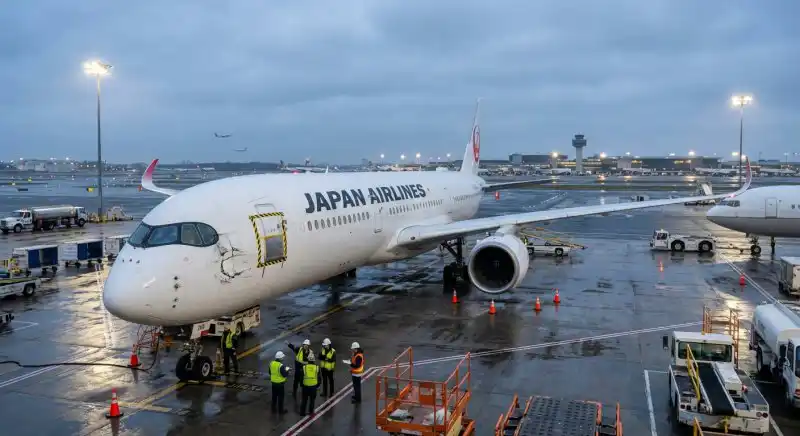
Japan Airlines’ Airbus A350-1000 registered JA10WJ has returned to the skies for the first time in more than seven months after suffering significant damage in a ground collision at New York John F. Kennedy International Airport (JFK). The aircraft completed a test flight on July 29, 2026, marking a major milestone in its long repair process and bringing one of JAL’s newest international flagship aircraft closer to returning to passenger operations.
The A350-1000 operated under flight number JL8181, departing JFK at 12:39 PM before returning to the airport at 4:21 PM. The aircraft remained airborne for approximately three hours and 43 minutes, completing a JFK-to-JFK route that strongly indicated the flight was conducted as a post-maintenance evaluation rather than a commercial service.
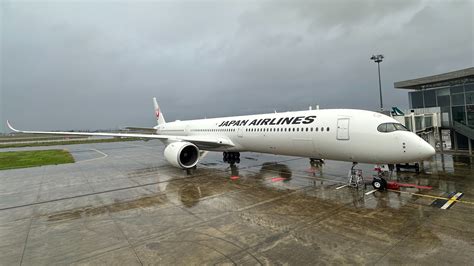
The successful flight represents the first time JA10WJ has flown since arriving at JFK from Tokyo Haneda Airport in December 2025. The aircraft originally operated as Japan Airlines flight JL4 before being damaged while undergoing scheduled maintenance at the airport. The July 29 test flight occurred 227 days after the collision and marked an important step toward restoring the aircraft to JAL’s international network.
However, the completion of a test flight does not automatically mean the aircraft is ready for commercial service. Engineers and maintenance teams must analyze flight data, perform additional inspections, and confirm that all repaired systems meet regulatory and operational requirements before JA10WJ can carry passengers again.
A Complex Repair Process After A Ground Collision At JFK
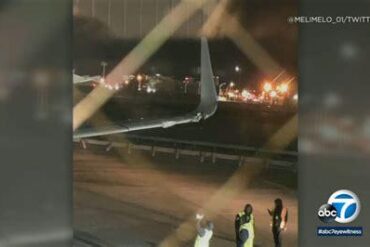
The incident involving JA10WJ occurred in the early hours of December 14, 2025, while the aircraft was parked in a designated maintenance area at JFK. According to Japan Airlines, an Airbus A330 operated by another airline was being towed when it struck the parked A350-1000.
The collision was not a high-speed accident, but the location and nature of the impact created a complicated repair challenge. The A330’s wing reportedly contacted the A350’s left-side cockpit window area, causing damage beyond the initial visible impact point.
The aircraft sustained damage to its cockpit windows, left pitot tube, and the lower area surrounding the first left passenger door. These components are critical for flight safety, navigation, and aircraft operation, requiring detailed inspections and specialized repairs before the aircraft could return to service.
The aircraft involved in the collision was identified by the Aviation Safety Network as Hi Fly Airbus A330-200 9H-ALC, operating for Israeli airline Arkia at the time of the incident. Although no injuries were reported, the damage left JAL with one of its newest long-haul aircraft unavailable for nearly eight months.
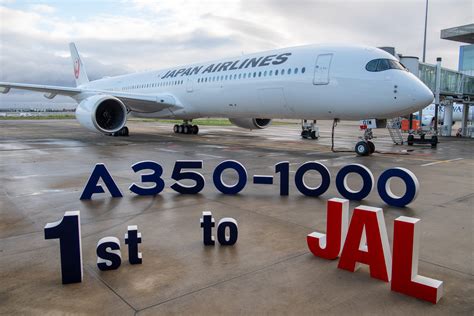
The extended grounding period highlights the complexity of maintaining modern composite aircraft away from their primary maintenance bases. The Airbus A350-1000 uses advanced composite materials and highly integrated systems, meaning repairs require careful structural inspections, specialized equipment, and extensive certification procedures.
For JAL, what initially appeared to be a localized ground incident developed into a lengthy recovery project involving engineering assessments, replacement parts, inspections, and operational planning.
JA10WJ Grounding Created Challenges For Japan Airlines’ Flagship Fleet
The loss of JA10WJ was particularly significant because Japan Airlines is still expanding its relatively small fleet of Airbus A350-1000 aircraft. The type serves as the airline’s international flagship, replacing older Boeing 777 aircraft on some of its most important long-haul routes.
Japan Airlines currently operates 11 A350-1000 aircraft, with two additional aircraft scheduled to join the fleet in the future. The carrier also operates 17 A350-900 aircraft, primarily serving high-capacity domestic routes, with more A350-900s planned for future expansion.
The temporary loss of one A350-1000 reduced operational flexibility on premium international routes. Shortly after the incident, JAL announced delays affecting 16 flights, with the longest delay reaching nearly 16 hours and more than 3,000 passengers impacted.
The disruption continued as the airline adjusted schedules, announced additional cancellations, and replaced aircraft on routes connecting Tokyo with major international destinations including New York, London, Chicago, Dallas/Fort Worth, and Paris.
Because the A350-1000 fleet remains relatively limited, each aircraft plays an important role in maintaining schedule reliability. The return of JA10WJ will give JAL additional capacity and reduce pressure on the remaining aircraft.
Japan Airlines Plans A350-1000 Return To International Operations
While Japan Airlines has not officially announced the exact date when JA10WJ will resume passenger service, recent scheduling information suggests the aircraft is expected to return during the fall of 2026.
The aircraft is reportedly planned to operate on the airline’s Tokyo Haneda–London Heathrow route beginning October 1. If final inspections and certification proceed successfully, JA10WJ could soon return to one of JAL’s most important international markets.
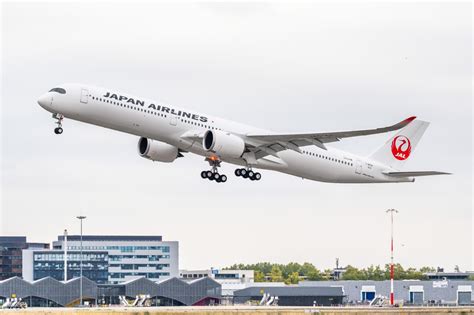
The aircraft’s return is also strategically important as JAL continues modernizing its long-haul fleet. The A350-1000 provides improved fuel efficiency, advanced passenger comfort, and a quieter cabin compared with the Boeing 777 aircraft it replaces.
The successful JFK test flight demonstrates that the extensive repair process has reached a critical stage. While additional work remains before commercial operations resume, JA10WJ’s first flight in more than seven months signals that Japan Airlines is close to restoring one of its newest flagship aircraft to active service.
For JAL, the return of this A350-1000 is more than a single aircraft recovery. It represents the restoration of valuable fleet capacity, operational flexibility, and confidence in one of the airline’s most important future aircraft programs.