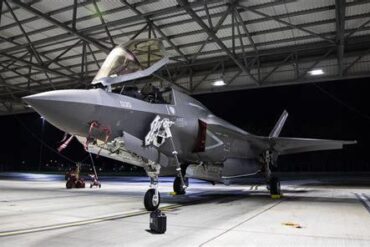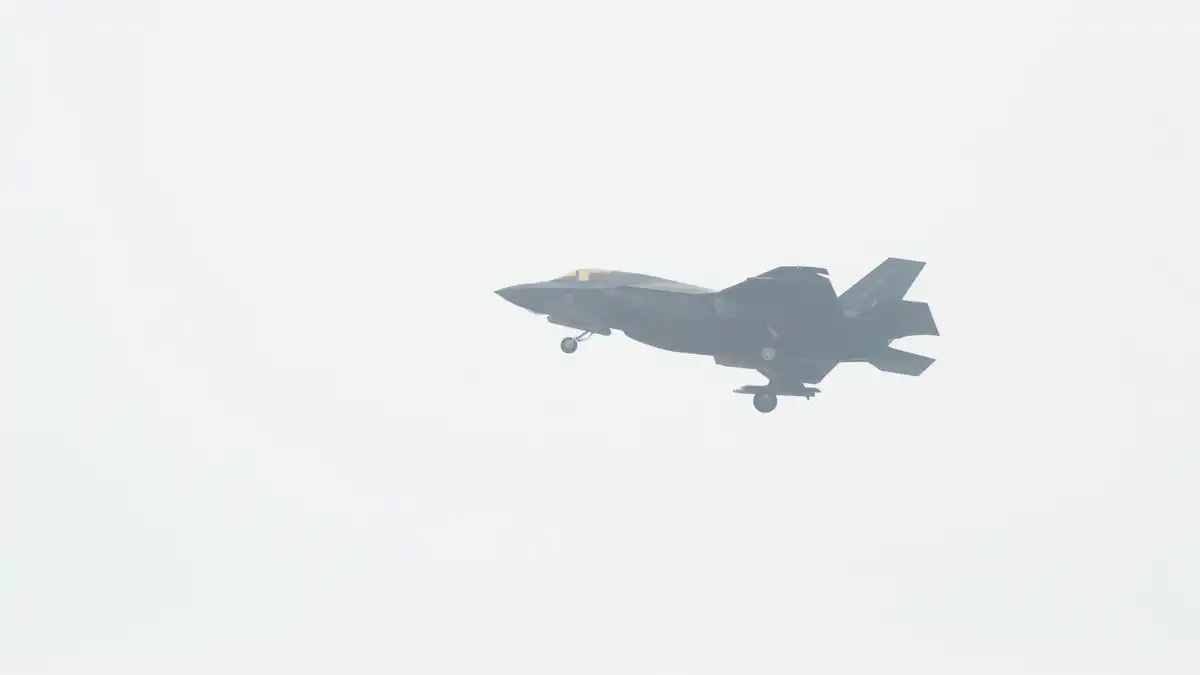
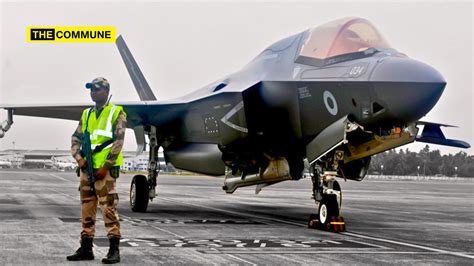
After more than five weeks of grounding, the Royal Air Force’s F-35B Lightning II fighter jet, which had remained stationed at Thiruvananthapuram International Airport in Kerala since June 14, 2025, has finally taken off. The aircraft departed on July 22 for Darwin, Australia, concluding a tense and prolonged maintenance episode that captured international and local attention alike.
Unexpected Emergency Landing in Thiruvananthapuram
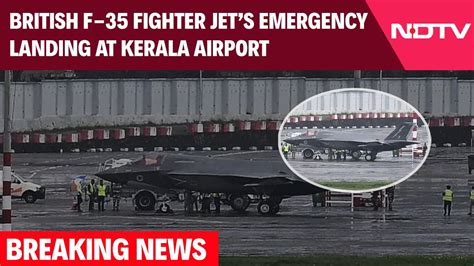
The high-profile fifth-generation stealth fighter jet, built by Lockheed Martin, made an unscheduled emergency landing on the night of June 14, after reportedly running critically low on fuel during a sortie. The aircraft was part of the operational fleet on board the HMS Prince of Wales, a British aircraft carrier deployed in the Indian Ocean at the time. The decision to divert to Thiruvananthapuram was based on operational urgency and proximity.
Initial troubleshooting attempts by the crew proved futile. The aircraft was then towed into a hangar within the airport premises and left idle, awaiting a specialist recovery team dispatched from the United Kingdom.
Arrival of UK Maintenance Crew and Restoration Work
The British Ministry of Defence (MoD) sent a specialized engineering team to Kerala, who arrived on July 6, 2025. Over the next two weeks, the team worked within the AI Engineering Services Ltd. (AIESL) hangar to identify and rectify the fault.
Sources close to the operation indicated that the auxiliary power unit (APU) of the F-35B had encountered a significant technical snag, one that required delicate and classified technical procedures to repair. Given the highly sensitive nature of the aircraft’s internals, Indian authorities allowed the work to proceed under tight security protocols, ensuring the aircraft’s stealth technology remained protected.
British High Commission Acknowledges India’s Cooperation
In an official statement following the departure of the aircraft, a spokesperson from the British High Commission expressed gratitude to Indian authorities:
“The U.K. remains very grateful for the support and collaboration of the Indian authorities and airport teams throughout the repair and recovery process. We look forward to continuing to strengthen our defence partnership with India.”
The incident, though unexpected, served as a testament to the growing strategic military cooperation between India and the U.K., particularly in the Indo-Pacific region.
F-35B: Cutting-Edge Stealth with Unique Capabilities
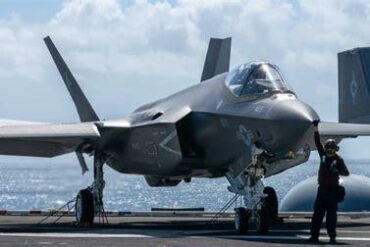
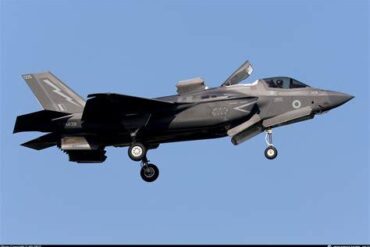
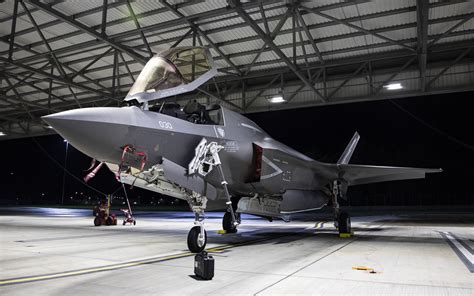
The F-35B Lightning II, one of three variants in the Joint Strike Fighter program, is tailored for Short Takeoff and Vertical Landing (STOVL) operations. It is the only stealth fighter in the world capable of vertical landing, making it ideal for carrier operations and missions from short or improvised runways.
Key features of the F-35B include:
- Radar-evading stealth profile
- Advanced sensor fusion for situational awareness
- Supersonic capability (Mach 1.6)
- Integrated electronic warfare suite
This aircraft forms the backbone of the U.K.’s Carrier Strike Group and plays a pivotal role in NATO’s forward-deployed posture.
Financial and Logistical Ramifications of Grounding
The prolonged stay came at a significant cost. The British authorities are liable to pay approximately ₹5 lakh (about £4,700) as parking fees for the extended grounding. Charges were calculated based on aircraft dimensions, weight, and duration of the stay. The Bird Group, a Delhi-based ground handling agency, will process the payment on behalf of the British side.
Additional fees related to hangar usage and engineering support will be invoiced separately by AI Engineering Services Ltd., the national Maintenance, Repair, and Overhaul (MRO) facility.
The incident also required continuous security and logistical support, with airport staff and local authorities working in tandem to ensure operational safety and secrecy.
Media Spotlight and Public Fascination
The fighter jet’s extended presence in Kerala caught public imagination and became something of a social media phenomenon. Spotters, aviation bloggers, and curious locals turned the parked stealth fighter into a viral subject, giving Kerala’s tourism a surprising publicity boost.
Local news and global defense publications monitored the jet’s status regularly. The hashtag #F35B trended across platforms such as Twitter and Instagram, drawing comparisons with earlier incidents involving Western aircraft landing in unexpected locations.
Geopolitical and Strategic Context
The Royal Air Force’s deployment of the F-35B in the Indian Ocean region underlines the U.K.’s renewed interest in Indo-Pacific security affairs. The incident in Kerala occurred during the HMS Prince of Wales’ tour, aimed at engaging regional allies and showcasing the U.K.’s strategic reach.
That a British stealth jet could safely land, be housed, and later serviced in Southern India reflects both India’s growing aviation infrastructure capabilities and the mutual trust between the two nations.
The U.K. has been pushing to strengthen defense ties with India, offering technological collaboration, joint military exercises, and cooperation in maritime security. The temporary F-35B grounding incident, though unplanned, became a real-world demonstration of this evolving relationship.
Successful Takeoff and Route to Darwin
On July 22, with technical issues resolved and all clearances obtained, the F-35B taxied out of the AIESL hangar and lifted off from Runway 32 of Thiruvananthapuram International Airport. It then proceeded toward Darwin, Australia, its originally intended waypoint.
This marked the end of a chapter that combined aviation complexity, military secrecy, geopolitical nuance, and logistical endurance.
Aviation officials confirmed that all systems performed flawlessly during takeoff. No further stops are expected before the fighter reunites with its naval group in the Pacific theater.
Broader Lessons for India’s Aviation Infrastructure
India’s ability to accommodate and support one of the world’s most advanced military aircraft sends a powerful signal to the international defense community. The country is rapidly transforming from a defense equipment buyer to a regional aviation enabler, equipped to assist allies when operational hiccups arise.
The successful resolution of the F-35B incident will likely serve as a case study for future joint defense operations, especially as India expands its own fifth-generation aircraft ambitions with the AMCA program.
Conclusion: A Stealth Exit After a High-Profile Stay
The Royal Air Force’s F-35B has now left Indian soil, but its presence has left an indelible mark—both in military diplomacy and public consciousness. What began as a technical emergency turned into a unique episode of international cooperation, media frenzy, and symbolic partnership between two nations deeply invested in global maritime security.
From the tarmac of Thiruvananthapuram to the skies over Darwin, the journey of this jet will be remembered not just as a tale of hardware recovery—but as a landmark moment in modern military logistics and diplomacy.