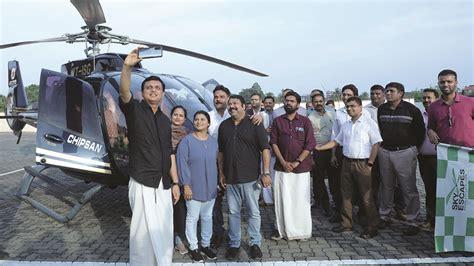
In recent years, Kerala, known for its breathtaking landscapes and vibrant tourism sector, has made ambitious strides to enhance its appeal as a premier travel destination in India. One of the most exciting initiatives proposed is the heli-tourism project, aimed at providing aerial connectivity between the state’s most iconic tourist spots. However, this initiative is currently facing significant turbulence as it struggles to gain traction amidst a myriad of challenges, including a lack of interest from helicopter operators, unclear business incentives, and repeated policy delays.
The heli-tourism initiative, officially launched by Kerala’s tourism department in December 2023, was envisioned to offer a seamless travel experience by connecting high-footfall destinations such as Kochi, Munnar, Thekkady, Kumarakom, Vagamon, and Bekal through aerial routes. This project aimed not only to reduce travel time but also to align with Kerala’s vision of promoting high-value, low-impact tourism. However, despite its promise, the plan has yet to attract robust interest from potential operators.
One of the primary obstacles hindering the launch of the heli-tourism services is the absence of guaranteed demand. Without a predictable forecast or financial assurances, many helicopter service providers remain hesitant to invest in deploying aircraft and personnel for routes that may not see sufficient usage. This apprehension has led the state government to extend the Expression of Interest (EoI) deadline three times, underscoring the lackluster response from operators and highlighting deeper systemic issues within the project.
To compound matters, industry experts have noted that the operational framework necessary for a successful launch has been inadequately defined. The lack of clarity regarding business incentives, operational protocols, and logistical support has deterred many aviation companies from engaging with the initiative. In response to these challenges, the Kerala government took significant steps to address stakeholder concerns by formulating a comprehensive heli-tourism policy, approved in December 2024. This policy aims to establish standard operating procedures, safety regulations, partnership models, and potential subsidy structures to attract service providers.
Despite the policy’s approval, the transition from planning to implementation remains fraught with difficulties. Currently, there are approximately 20 operational helipads across Kerala, strategically located to facilitate helicopter movements. However, having the physical infrastructure alone is insufficient; experts emphasize the necessity for enhanced last-mile connectivity, customer booking platforms, maintenance facilities, and robust coordination between tourism and civil aviation authorities to ensure a smooth operational experience.
Moreover, the concept of heli-tourism remains relatively niche in India, necessitating a concerted effort to educate potential travelers about its benefits. Many tourists are unaware that helicopter services can provide time-saving convenience, unique aerial sightseeing experiences, and a hassle-free way to explore multiple destinations quickly. Developing targeted marketing campaigns, offering traveler subsidies, and creating bundled packages with luxury resorts could be crucial strategies to build demand for these services once they become operational.
Kerala’s aspirations in the heli-tourism sector are part of a broader trend across India, where various states are innovating within the tourism landscape by exploring premium and sustainable travel options. States like Himachal Pradesh, Uttarakhand, and Maharashtra have also experimented with aerial tourism services, yielding mixed results. For Kerala to distinguish itself, stakeholders believe that aligning the heli-tourism initiative with the state’s unique selling propositions—such as Ayurveda wellness tourism, eco-travel experiences, and famous houseboat offerings—could strengthen its appeal to both operators and prospective travelers.
As the Kerala government continues to refine its approach, the focus will likely shift toward improving the business model, increasing private sector participation, and ensuring that policy commitments translate into actionable strategies on the ground. With the right mix of incentives, a reliable support system, and consistent demand-building measures, Kerala’s heli-tourism project could still take flight, presenting a fresh dimension to one of India’s most dynamic tourism economies.
In summary, while Kerala’s scenic beauty offers an ideal backdrop for a successful heli-tourism initiative, the current challenges must be addressed holistically. By fostering a supportive environment for helicopter operators and enhancing the overall travel experience, Kerala can position itself as a leading player in the evolving landscape of aerial tourism in India.