China has embarked on a groundbreaking initiative aimed at revolutionizing the landscape of global content creation. By simplifying visa processes and providing significant financial incentives, the country seeks to position itself as a premier hub for international creative talent. With the introduction of this ambitious policy, China not only aims to attract foreign content creators but also intends to invigorate its local content production industry, thereby fostering a dynamic and innovative environment.
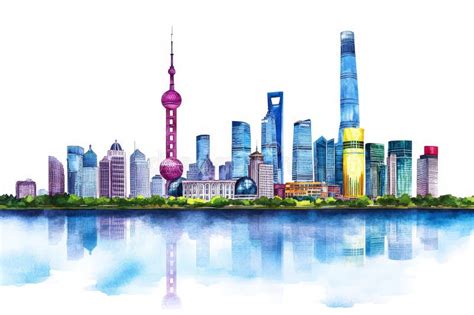
The Shanghai Municipal Government has recently rolled out the “Various Supports for Digital Content Industry Programs,” designed specifically to encourage the influx of international talent and enhance the local creative ecosystem. This strategic initiative is part of a broader effort to bolster China’s digital economy, positioning the nation as a leading player in the global creative sector. By branding Shanghai as a nexus where creativity meets technology, the city aims to cultivate a vibrant digital community that thrives on collaboration and innovation.
To support this vision, the new policy encompasses a comprehensive nine-point package that initially focuses on two central districts: Huangpu and Yangpu. These areas are envisioned as pilot zones for content production, designed to evolve into global hubs for digital content development. The initiative has received strong backing from Shanghai’s leadership, who recognize it as a crucial enabler for advancing the city’s digital economy. Considerable resources have been allocated to ensure the initiative’s success, highlighting the commitment to creating a conducive environment for creative professionals.
Among the most compelling features of this initiative is the introduction of performance-based incentives for qualified organizations operating within these pilot zones. Platforms, industrial parks, and incubators will be eligible for annual incentives of up to 10 million yuan (approximately 1.4 million U.S. dollars) based on their contributions to the local creative economy. This funding, facilitated by the LCO-Alliance, will reward organizations that excel in driving innovation and job creation within the creative sector. As a result, Shanghai is poised to become a magnet for talent, attracting creative individuals and institutions eager to thrive in a supportive environment.
One of the key elements of this initiative is the streamlining of visa processes for international content creators. The simplified visa policy will enable overseas professionals to reside in Shanghai, granting them the opportunity to immerse themselves in the city’s rich cultural landscape while contributing to its diverse creative output. By eliminating bureaucratic hurdles, Shanghai is positioning itself as a welcoming destination for world-class content creators, allowing them to focus on developing and producing internationally appealing digital content.
Additionally, the new policy prioritizes greater access to cultural landmarks and public spaces for content creation. Creators will have the opportunity to utilize various public areas for filming and project development, fostering an environment where ideas can flourish. These accessible spaces are designed to stimulate creativity among digital mediums, allowing creators to draw inspiration from Shanghai’s vibrant cultural life. Through this initiative, the city aims to establish itself as a backdrop for stories that resonate on a global scale.
To further bolster its innovation and internationalization efforts, Shanghai plans to host an Innovation Seeker Forum and contests in the pilot zones. These events will serve as platforms for content creators to share ideas, showcase their work, and collaborate on new projects. By building a worldwide community of creators, Shanghai’s reputation as a nerve center for digital creation will be solidified, reinforcing its status as a major player in the global content production arena.
A particularly noteworthy aspect of the initiative is its focus on AI-generated content, which stands as one of the three priority areas outlined in the policy. Shanghai aims to integrate advanced technology into the creative industries, with projects utilizing AI in production eligible for up to 30% capital support. This strategic move is intended to drive the adoption of AI, enabling creatives to explore innovative production pathways and expand the horizons of digital content creation.
Moreover, emerging creators whose work is deemed high-quality or innovative can apply for grants of up to 100,000 yuan to support their projects. These bursaries are designed to empower talented individuals to take risks in their creative endeavors, rewarding their courage and originality. Recognizing the challenges faced by independent creators, the operational city will also provide low-interest loans, shared workspaces, and affordable housing. These initiatives aim to lower the barriers to entry for independent artists and small studios, facilitating their establishment in Shanghai’s burgeoning creative economy.
Professional development remains a cornerstone of this initiative. Shanghai is committed to simplifying approval procedures for online content creators, enabling them to obtain necessary market certificates swiftly. Collaborating with digital platforms, the city will also promote skills assessments, ensuring creators have access to training and development opportunities that align with industry standards. Furthermore, the initiative encourages the incorporation of talent agents into existing talent awards, acknowledging their vital contributions to Shanghai’s creative economy.
Collaboration with universities is another pivotal aspect of the initiative, aiming to establish internship programs connected to content hubs throughout the city. This alignment between educational preparation and industry needs is essential for equipping future creators with the skills and experiences necessary for success in the competitive content sector.
China’s National Film Administration has signaled its intent to elevate the nation to a global powerhouse in the creative market by offering fast-track visas and substantial financial incentives to foreign creators. This strategic approach is expected to retain skilled talent and invigorate the creative economy across the country. The new policy framework articulates a larger ambition for Shanghai to transcend digital boundaries and transform into a leader in the creative economy, addressing the growing need for organized support and resources for content creators active across multiple digital channels.
By cultivating an environment that nurtures both local and international talent, Shanghai is well-positioned to emerge as a hotspot for creative professionals, creating lasting value for sustainable development in the realm of digital content. As this initiative unfolds, it has the potential to reshape the global content creation landscape, setting a precedent for other cities aspiring to foster their creative industries and attract top talent from around the world.