The early morning calm at Miami International Airport shattered when a routine boarding process spiraled into a viral confrontation, forcing American Airlines to remove two intoxicated passengers from a departing flight. The incident, filmed by fellow travelers and rapidly shared online, became another flashpoint in the growing tension between airline authority, passenger compliance, and the attention economy that thrives on disruption.
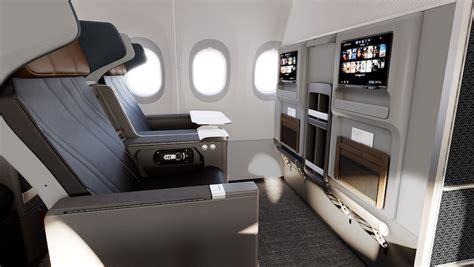
According to multiple reports, the disturbance began shortly after boarding when two OnlyFans creators, later identified as Sania Blanchard and Jordan Danne Lantry, seated themselves in first class seats that were not assigned to them. When an American Airlines representative requested boarding passes, the women reportedly admitted they did not have them and appeared visibly intoxicated. What might have ended as a simple correction instead escalated as repeated instructions to move were ignored.
As cabin crew attempted to resolve the situation, the refusal to comply quickly crossed from inconvenience into a perceived safety concern. Airlines operate on strict procedural authority, and any passenger unwilling to follow crew directions is treated as a potential risk. With tensions rising and other passengers watching, the captain halted the boarding process and called for law enforcement assistance before the aircraft left the gate.
First Class Entitlement Turns Into Law Enforcement Matter
The arrival of officers marked the point of no return. Video footage shows police boarding the aircraft and escorting the two women off in handcuffs while stunned passengers looked on. During the removal, one of the creators dropped into a dramatic split in the aisle, transforming the enforcement action into a spectacle seemingly designed for online consumption.
Authorities later charged both women with misdemeanor trespassing after a warning, underscoring that the dispute was no longer about seating but about refusal to comply. The decision to involve police reflected airline protocol rather than improvisation. On the ground, removing a disruptive passenger is considered far safer than attempting to manage escalating behavior once airborne, where options become limited and risks multiply.
American Airlines’ conditions of carriage explicitly allow the carrier to deny boarding or remove passengers who appear intoxicated or who refuse to follow crew instructions. Federal Aviation Administration guidance reinforces this authority, prohibiting airlines from allowing intoxicated individuals to fly and identifying noncompliance as a leading cause of unruly passenger incidents. In practice, once resistance becomes visible, airlines move quickly and decisively.
Why Airlines Act Fast When Alcohol Is Involved
Alcohol changes the calculus onboard an aircraft. Even minor impairment can amplify defiance, slow reaction time, and impair judgment in an environment that depends on strict adherence to instructions. For flight crews, debating with an intoxicated passenger is not customer service, it is risk management.
Once a situation escalates, the priority becomes containment. Boarding stops, law enforcement is summoned, and the cabin is reset before departure. This approach minimizes delays later in the flight and reduces the chance of in air confrontations that could force diversions. From an operational standpoint, early removal is efficient, controlled, and legally defensible.
A Viral Performance Fueled by the Creator Economy
What distinguished this episode from countless other removals was the deliberate theatricality surrounding it. Clips circulated showing the arrest, the aisle split, and later posts from the creators themselves, including shared mugshots and additional airport footage. The incident was framed not as a warning but as content, repackaged for engagement.
This dynamic presents a growing challenge for airlines. Every enforcement action now unfolds in front of multiple cameras, with some passengers incentivized to provoke or exaggerate conflict for visibility. The most shareable moments rarely capture the full sequence of warnings, instructions, and safety considerations that lead to removal, yet those fragments shape public perception.
American Airlines, like other major carriers, operates with the understanding that enforcement will be scrutinized online. Still, the airline’s response in Miami followed established procedures. When intoxication and refusal intersect, tolerance disappears. The priority remains the safety and order of the flight, not the optics of viral clips.
The Broader Implications for Air Travel
The Miami incident highlights a broader truth about modern air travel. The cabin is no longer just a transportation space but a stage where authority, entitlement, and online attention collide. Airlines are adapting by leaning more heavily on zero tolerance policies, especially when alcohol is involved.
For passengers, the message is blunt. Assigned seating is not negotiable, crew instructions are not optional, and intoxication removes any margin for argument. Once compliance breaks down, removal is swift and public. Viral fame may follow, but so do charges, travel disruptions, and permanent records tied to airline security systems.
Incidents like this also reinforce why carriers train crews relentlessly on de escalation, documentation, and coordination with authorities, ensuring decisions are consistent and defensible. Uniform responses protect staff, passengers, and airlines from accusations of bias while preserving operational control in chaotic moments.
As videos continue to circulate, the lesson remains unchanged. Airlines will always choose safety over spectacle, even when the spectacle is designed to be shared.