A New Zealand traveler is facing serious legal consequences after a dramatic breach of security at Perth International Airport on December 30, 2025. The incident, which unfolded in a matter of minutes, has raised pressing concerns about airport safety protocols, passenger behavior, and the risks posed by intoxicated individuals attempting to travel.
Tarmac Terror: How One Man Disrupted Perth Airport
In the early hours of December 30, a 25-year-old male passenger, reportedly intoxicated, was denied boarding on his flight at Perth International Airport. Visibly agitated, the man allegedly activated the emergency ‘break glass alarm’, shattered a pane of reinforced glass, and forcefully made his way past airline staff toward the secure tarmac area.
According to the Australian Federal Police, the man continued his unauthorized movement, heading directly toward an aircraft parked at the gate. Immediate security intervention led to his arrest before any further escalation could occur.
Immediate Arrest and Legal Ramifications
The suspect was charged with unauthorized entry into an airside security zone, a violation under Australian aviation law. He is scheduled to appear before the Perth Magistrates Court on December 31, facing a potential fine of up to AU $15,650 (approximately USD $10,430).
This breach is being treated with utmost seriousness by the Australian Federal Police (AFP). Acting Superintendent Hayly Faitful made a public statement emphasizing the strict enforcement of airport security regulations:
“Airside restrictions exist to ensure the safety and security of the travelling public and workers. If you choose to ignore the warnings and enter an airside security zone without permission, you will potentially face prosecution.”
The AFP has reiterated that airport security zones are not only protected by infrastructure but also by stringent legal frameworks designed to prevent unauthorized access and ensure public safety.
The Role of Alcohol in Aviation Safety Incidents
The passenger’s intoxicated state was central to the unfolding events. Gate staff initially denied him boarding after detecting classic signs of inebriation: slurred speech, instability, and aggressive behavior. Such behavior poses a direct safety threat, not only on the ground but particularly during air travel where cabin pressure, altitude, and confined space can exacerbate the effects of alcohol.
Airlines have strict mandates to deny boarding to any individual who appears under the influence of drugs or alcohol. These regulations exist to prevent situations where a disruptive passenger could compromise flight safety or necessitate an emergency landing.
The safety risks are manifold:
- Intoxicated passengers may become verbally or physically abusive.
- They often fail to understand or comply with safety instructions.
- In emergency situations, they could impede evacuation or endanger crew and fellow passengers.
Airlines are trained to identify these risk factors, and their authority to deny boarding is backed by both domestic law and international aviation standards.
Security Breach Echoes Global Incidents
This incident mirrors a similar security violation that occurred at London Heathrow Airport in 2025, where a man ran onto the tarmac during aircraft taxiing procedures. While Perth’s breach did not result in physical harm, it underscores the vulnerability of airport ground operations when faced with unpredictable human behavior.
Such breaches cause significant logistical disruption and carry considerable financial and reputational costs for airports. Grounding flights, rechecking security footage, coordinating emergency response teams, and managing media fallout are all expensive endeavors.
Perth International Airport: Western Australia’s Critical Gateway
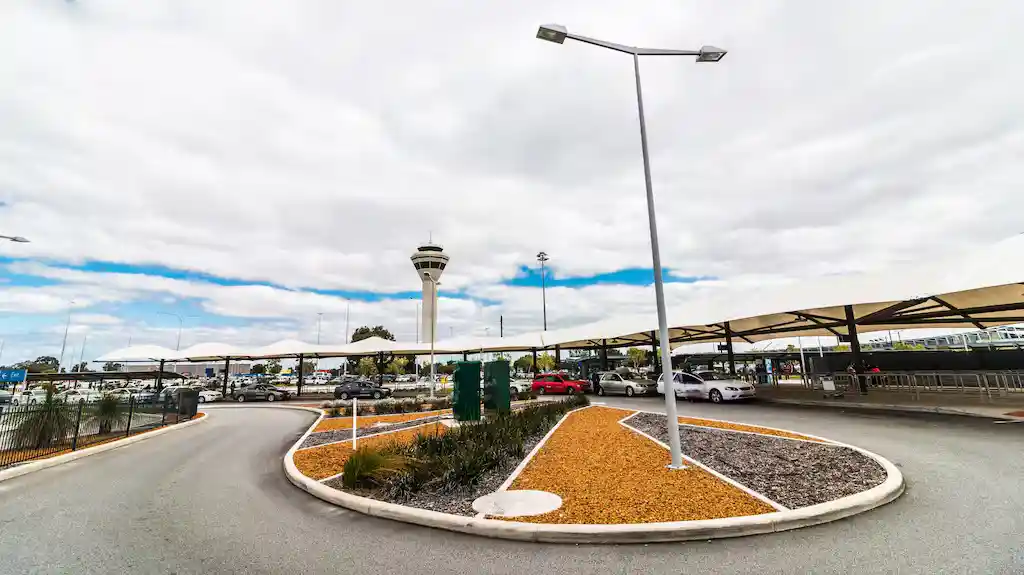
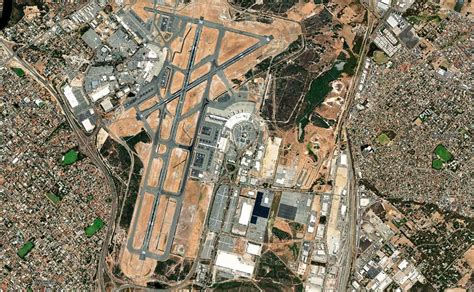
Perth International Airport (PER), situated approximately 10 kilometers from the city’s central business district, is the busiest airport in Western Australia and ranks fourth nationally behind Sydney, Melbourne, and Brisbane.
Handling millions of passengers annually, the airport serves as a critical link to domestic and international destinations. It is a hub for over 30 major airlines, connecting travelers to cities such as Singapore, Kuala Lumpur, Dubai, Tokyo, and Auckland.
Its strategic role in Australia’s aviation network means that any breach at PER has wide-reaching implications, affecting not just airport operations, but also air traffic control and national aviation safety reports.
AFP and Aviation Authorities Tighten Controls
In the aftermath of this incident, it is expected that Perth Airport and the AFP will review existing security measures. Surveillance, staff protocols, and physical barriers may be enhanced to prevent similar episodes.
Historically, breaches of this nature lead to short-term security tightening and long-term procedural overhauls. Aviation analysts suggest that better control of alcohol access within airports, improved behavioral screening at boarding gates, and more physical reinforcements at access points could be part of the forthcoming safety upgrades.
While breaches by intoxicated individuals are rare, they are not unprecedented. The aviation community continues to wrestle with the challenge of balancing hospitality and enforcement, especially when dealing with international travelers from diverse cultural and legal backgrounds.
Public Safety and Legal Boundaries: A Balancing Act
From a legal standpoint, the man’s actions fall under multiple infractions — including property damage, trespassing, and violation of federal aviation codes. However, public sentiment often lies at the intersection of concern for safety and empathy for mental health or substance abuse issues.
The court hearing on December 31 will determine not only the individual’s penalty but also set a precedent for similar future incidents. The Australian public and the aviation industry will be closely monitoring the verdict.
Lessons Learned: Strengthening the System
This event has served as a stark reminder of how swift, unpredictable behavior can challenge even the most robust airport security systems. It emphasizes the need for:
- Continued training of frontline staff to detect intoxication.
- Physical infrastructure that limits access even in emergency overrides.
- Real-time surveillance integration between terminals and law enforcement.
Perth Airport remains fully operational, and no flights were delayed due to the incident. However, the scar it leaves on public perception and aviation safety dialogue will likely persist.
Conclusion: A Wake-Up Call for Airport Security Culture
While Perth International Airport has long maintained a strong safety record, the December 30 breach challenges assumptions about impenetrability. It reveals vulnerabilities in human screening and emergency response triggers.
As air travel resumes growth post-pandemic, ensuring the safety of passengers — both from technical and human threats — remains a top priority. The aviation community now waits to see how Australian regulators, airlines, and airport authorities will translate this incident into action.
Perth’s breach is not just a local disturbance; it is a global signal that even in modern aviation hubs, vigilance must never wane.