Most of us have heard the word “tarmac” when talking about airports, especially in movies or travel stories. But what does it really mean? Simply put, tarmac is the term often used to describe the hard surfaces at airports where planes land, take off, and move around. These include runways, taxiways, and aprons—all essential to how an airport functions.
Originally, the term “tarmac” came from “tar macadam,” a type of road surfacing invented in the early 1900s. It was made by combining tar with crushed stone, offering a strong and smooth surface. While that specific material isn’t always used today, the name stuck. In modern aviation, “tarmac” has become a catch-all phrase for any paved surface used by aircraft.
The Three Main Parts of Airport Tarmac
Tarmac areas are divided into three key sections, each designed for a specific role in aircraft movement and airport operations.
Runways
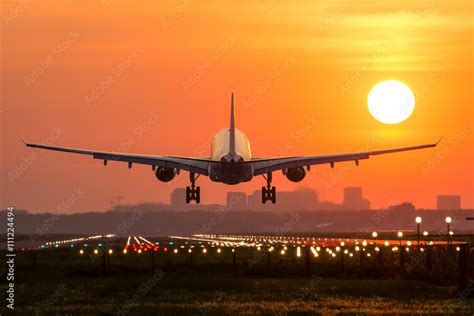
Runways are the long, straight strips where aircraft take off and land. They are the most critical part of the tarmac system. Built from strong materials like concrete or asphalt, they’re designed to handle the enormous weight and pressure of landing planes. Each runway is marked with symbols and numbers to guide pilots during takeoff and landing.
Taxiways
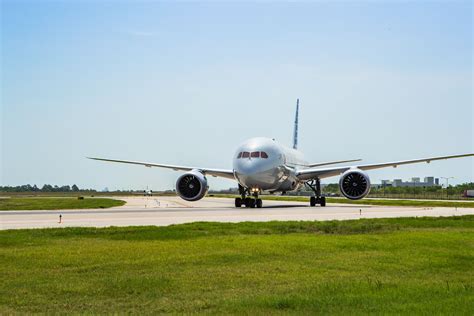
Once a plane lands or gets ready for takeoff, it moves along taxiways. These are the connecting paths between runways and other areas like terminals or aprons. Taxiways help keep planes moving safely and efficiently without interfering with the runways.
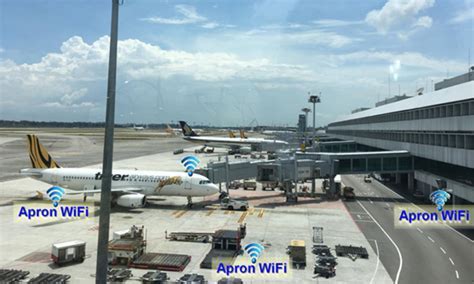
Aprons (or Ramps)
Aprons, often called ramps, are where planes are parked. Here, aircraft are loaded, unloaded, fueled, and sometimes undergo maintenance. This area also includes gates where passengers board or leave the aircraft. Aprons are critical for managing ground operations and preparing flights for departure.
Why Tarmac Design Matters for Safety and Efficiency
The way tarmac areas are built and maintained plays a huge role in flight safety. Without stable, well-designed surfaces, planes couldn’t land or take off safely. Let’s explore some of the key benefits of properly managed tarmac.
Safety
Tarmac must provide a strong and smooth surface to support heavy aircraft during all types of weather. Cracks, loose debris, or water pooling can cause serious hazards. That’s why regular inspections and repairs are so important.
Efficiency
A good tarmac layout allows for smooth traffic flow on the ground. With separate areas for taxiing, loading, and takeoff, airports can manage more aircraft at once without delays.

Durability
Because tarmac handles heavy use every day, it must be built to last. Concrete is often chosen for its strength, while asphalt offers flexibility. Both materials can handle heat, cold, and constant pressure—if maintained properly.
How Tarmac Surfaces Are Built and Maintained
Creating tarmac isn’t just about pouring concrete. There’s a lot of planning involved to make sure it performs under pressure.
Choosing the Right Material
Airport engineers pick between asphalt and concrete depending on several factors like local climate, how much traffic the airport gets, and long-term maintenance needs. Asphalt is often preferred for its ease of repair, while concrete lasts longer with fewer cracks.
Managing Water with Drainage Systems
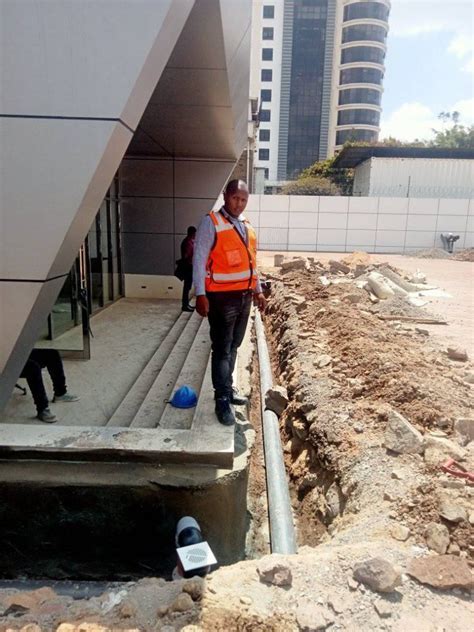
Water is one of the biggest threats to tarmac stability. That’s why drainage is carefully planned during construction. Sloped surfaces and proper drainage channels help prevent puddles that can weaken the structure over time.
Ongoing Repairs and Upkeep
Just like highways, airport tarmac wears down. Cracks can form, and surface textures can fade. Airports schedule regular maintenance to check for damage and fix it before it becomes a danger. This helps keep flights running safely and on time.
Examples of Advanced Tarmac Systems
Some airports are known for their outstanding tarmac design and innovation. These examples show how modern tech and smart planning can make a big difference.
Heathrow Airport (London)
Heathrow, one of the world’s busiest airports, uses a massive tarmac system to handle thousands of daily flights. The airport frequently upgrades its surfaces to support newer aircraft models and meet rising traffic demands.
Singapore Changi Airport
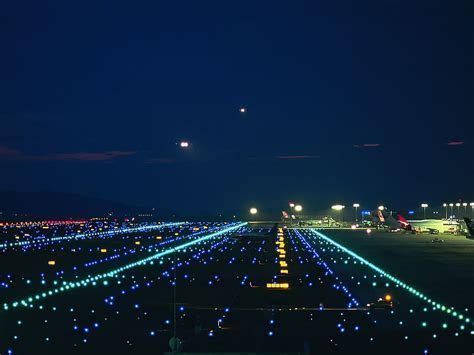
Changi is famous for its high efficiency. Its tarmac areas are designed with advanced safety systems, optimized taxiway routes, and modern lighting for night operations.
Sustainable Innovations
Some airports are testing eco-friendly tarmac solutions. These include using recycled materials in construction or surfaces that absorb less heat, helping reduce the airport’s environmental impact.
Final Thoughts
Tarmac may not be the most glamorous part of an airport, but it’s one of the most important. It supports every flight from the moment a plane touches down to when it takes off again. With smart design, durable materials, and regular maintenance, tarmac helps keep airports safe and running smoothly. As the aviation industry grows, so will the need for better, more sustainable tarmac solutions around the world.