Airports function as the critical gateways connecting countries, cultures, and continents. While terminals and control towers often attract the public’s attention, runways remain the most essential infrastructure element ensuring aviation operates safely and efficiently. At first glance, an airport runway might look similar to an everyday highway or street, but beneath the surface lies a complex, high-strength system engineered to endure the extraordinary demands of modern air travel.
The Unseen Strength Beneath Every Runway
Unlike typical roads designed for cars, buses, or even heavy trucks, airport runways must support the weight and impact forces of massive aircraft, including the 1.2 million-pound Airbus A380, the world’s largest passenger jet. Each landing or takeoff exerts intense pressure, requiring the pavement to withstand not only weight but also kinetic energy, friction, and environmental stressors.
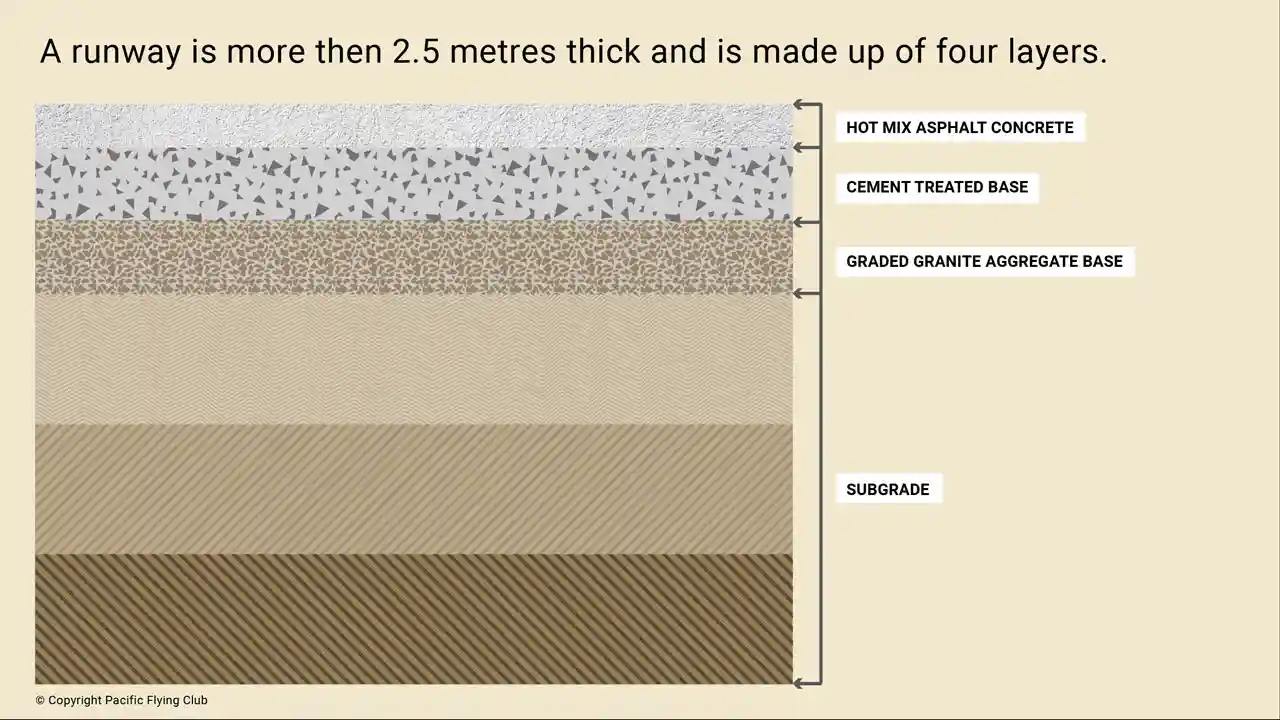
To meet these extreme demands, runways are constructed as multi-layered systems that extend far deeper than conventional roads. A standard highway might feature a concrete layer approximately 11 inches thick, whereas a runway can require up to 17 inches of high-grade pavement, with the entire structure reaching depths of 2.5 meters.
The Complex Anatomy of a Runway
Runway pavement is meticulously designed with several critical layers, each serving a distinct purpose:
- Subgrade Layer: This is the foundation, created by excavating and compacting the natural soil. It ensures stability by distributing the massive loads generated by aircraft.
- Graded Granite Base: Composed of crushed stone, gravel, and sand, this layer enhances drainage, load-bearing capacity, and prevents shifting.
- Cement-Treated Base: A blend of cement, water, and aggregates forms a rigid foundation layer that supports the pavement structure.
- Surface Layer (Asphalt or Concrete): The uppermost layer that aircraft wheels make contact with, engineered for optimal friction, durability, and weather resistance.
This layered design is critical to prevent structural failures such as rutting, cracking, or surface deterioration, which could compromise aircraft safety.
Regulating Runway Construction: FAA Standards
In the United States, the Federal Aviation Administration (FAA) governs airport infrastructure standards. Runway pavement design considers numerous variables, but one of the most important is identifying a representative design aircraft. Contrary to popular belief, this isn’t always the heaviest plane operating at the airport, but rather the aircraft that imposes the greatest stress due to its unique weight distribution and landing gear configuration.
For example, an airport may frequently host smaller commercial jets, but if a specific wide-body aircraft with unconventional landing gear exerts higher pavement stress, the runway must be built to withstand those concentrated loads. This approach ensures long-term durability and safety.
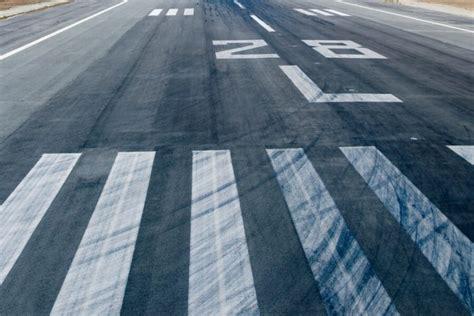
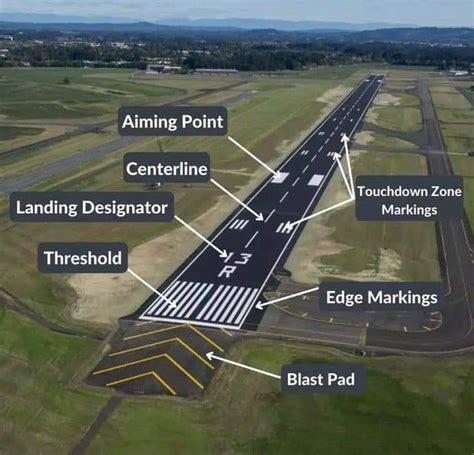
Beyond structural composition, runways also feature prominent numerical markings, visible from the cockpit, which provide pilots with directional and positional references during landing and takeoff. These markings correspond to compass headings, aiding precise aircraft alignment.

Precision, Non-Precision, and Visual Runways: Types Explained
Runways differ not only in physical build but also in their technological sophistication and intended use:
Visual Runways
Found primarily at smaller airports, visual runways depend on pilots’ direct line-of-sight and environmental cues. They lack instrument-guidance systems and are typically used under favorable weather conditions where visibility is not compromised.
Non-Precision Instrument Runways
Equipped with basic navigational aids such as VHF Omnidirectional Range (VOR) or Non-Directional Beacons (NDB), these runways provide horizontal guidance to pilots. They enable safer operations during moderate visibility challenges but do not offer full vertical approach assistance.
Precision Instrument Runways
These are the most advanced and can be found at major international airports. They employ comprehensive landing systems like the Instrument Landing System (ILS) or Microwave Landing Systems (MLS), delivering both lateral and vertical guidance. Precision runways are critical for maintaining operations during adverse weather, fog, or low-visibility scenarios.
The complexity of these systems underscores the unique operational environment runways support, far beyond that of a typical road or highway.
Safety Beyond the Pavement: Runway Safety Areas
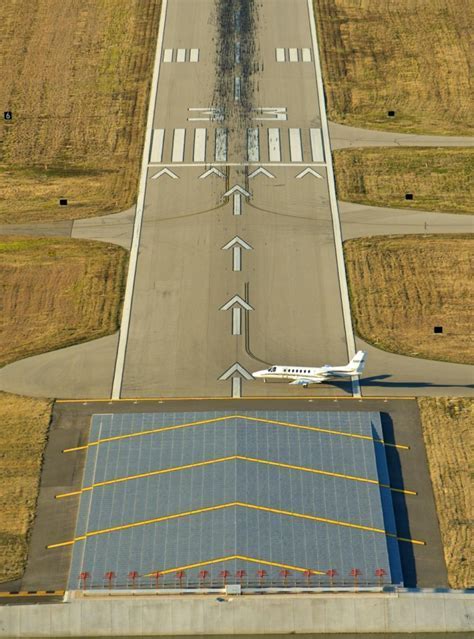
Runways are complemented by Runway Safety Areas (RSAs)—designated buffer zones surrounding the active pavement. These zones are engineered to accommodate aircraft that overrun, veer off course, or abort takeoff, providing critical space to decelerate safely.
The FAA mandates strict RSA dimensions and maintenance protocols to ensure these zones remain clear of obstructions and possess sufficient structural integrity to support aircraft in emergency situations. By incorporating RSAs into airport layouts, authorities mitigate risks of severe accidents stemming from runway excursions.
Maintaining Peak Runway Performance
Given their exposure to enormous mechanical stresses, runways require constant inspection, maintenance, and rehabilitation. One of the most pressing concerns is Foreign Object Debris (FOD)—small items like loose hardware, rocks, or other materials that can puncture aircraft tires or damage engines.
Airport authorities employ specialized vehicles and teams to regularly sweep and inspect runways, utilizing high-tech sensors and visual inspections to detect cracks, surface wear, or embedded debris. Advanced maintenance techniques, including diamond grinding, resurfacing, and full-depth repairs, are applied to uphold friction levels and structural soundness.
Even minor pavement defects, if left unattended, can escalate into serious hazards. Therefore, continuous monitoring not only extends runway lifespan but also preserves the safety of thousands of daily air operations.
Extreme Weather and Runway Durability
Runways must withstand a broad spectrum of environmental conditions, from blazing summer heat to subzero winter storms. Materials used in runway construction are selected for their thermal stability, resistance to water infiltration, and ability to maintain friction in wet or icy conditions.
In colder climates, airports deploy de-icing chemicals and mechanical plows to clear snow and ice, while drainage systems embedded within runway designs prevent water pooling, which can lead to hydroplaning. Runways also incorporate grooves cut into the surface layer, enhancing water runoff and tire grip during precipitation.
The Evolution of Runway Engineering
As aviation technology progresses, aircraft become larger, heavier, and more efficient, placing evolving demands on airport infrastructure. To accommodate the next generation of wide-body aircraft and potentially electric or hydrogen-powered planes, runway engineering continues to advance.
Emerging materials such as polymer-modified asphalt, high-performance concrete, and advanced subgrade stabilization methods are increasingly implemented to boost longevity and load capacity. Additionally, innovations in sensor technology allow real-time runway condition monitoring, enabling predictive maintenance that reduces downtime and enhances safety.
These advancements ensure that runway pavements, though often hidden beneath layers of aggregate and asphalt, remain some of the most vital—and resilient—engineering feats in modern transportation.
Conclusion: Runways, The Backbone of Global Aviation
Airport runways are not merely oversized roads—they are precision-engineered, heavily regulated, multi-layered systems purpose-built to endure the most extreme conditions of modern air travel. From their deep substructures to their high-friction surfaces, every element of runway design serves a singular goal: to guarantee the safe, reliable movement of aircraft around the world.
Understanding the distinctions between runway pavements and everyday roads reveals the immense engineering challenges overcome to support global aviation. With air traffic continuing to grow and aircraft becoming increasingly sophisticated, runways will remain at the forefront of infrastructure innovation, quietly bearing the weight of the world’s most critical journeys.