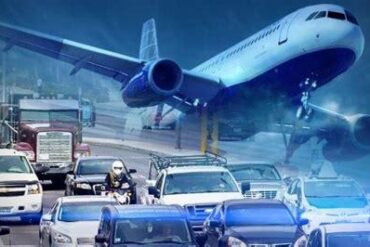
The Fourth of July is not just a day for celebrating independence; this year, it marks a monumental surge in travel that will dramatically reshape America’s highways and communities. With over 60 million Americans expected to embark on their summer journeys, the holiday travel scene promises to be both exhilarating and chaotic. This unprecedented increase, a 2.2% rise from last year, signals a significant shift in how Americans are choosing to celebrate. Instead of opting for quiet barbecues or local events, families and adventurers alike are embracing the open road, ready to experience the freedom that comes with travel.
As the Fourth of July approaches, highways across the nation are poised for what can only be described as a tidal wave of vehicles. The sheer volume of cars on the road brings with it a cocktail of excitement and anxiety. Wednesday, July 2, is anticipated to be the peak of this travel frenzy, particularly during the rush hour between 4 p.m. and 6 p.m. Families will be flooding the roads, vying for their spots at fireworks displays and summer festivities. Major metropolitan areas like Minneapolis-St. Paul and routes leading to popular destinations such as Eau Claire, Wisconsin, are preparing for intense congestion and gridlock.
However, the challenges don’t end with heavy traffic. As millions flock to their cars, Sunday, July 6, is projected to be the second busiest day of travel, marking a significant return wave as holiday-goers head back home. This expected surge underscores the deep-rooted American love affair with the open road, and it highlights the ongoing growth of the travel industry.
Midwestern States Prepare for an Influx
In the heart of the Midwest, states like Minnesota and Wisconsin are bracing for the impact of this travel boom. The Minnesota Department of Transportation (MnDOT) has issued warnings urging drivers to remain vigilant and adaptable to changing road conditions. A strategy gaining traction is the zipper merge technique, which encourages vehicles to use both lanes up to the merge point to facilitate smoother transitions and prevent bottlenecks. Real-time traffic updates via apps like MnDOT’s 511 are becoming essential tools for drivers looking to dodge standstill traffic.
Wisconsin, too, anticipates a heavy influx of travelers. Highways heading into Eau Claire and other popular spots are flagged as potential choke points, with local authorities preparing for the inevitable surge of vehicles. While some construction zones may temporarily adjust lane usage to accommodate the influx, unpredictable congestion remains a certainty.
Hidden Dangers in Holiday Traffic
Amidst the excitement of travel, hidden dangers lurk in the form of inexperienced drivers handling campers, boats, and trailers that they may not frequently tow. Authorities report an uptick in accidents during this period, primarily attributed to drivers unaccustomed to maneuvering oversized loads. The summer heat adds another layer of complexity, testing not only the patience of travelers but also the performance of their vehicles. Instances of overheated engines, flat tires, and other roadside breakdowns are already on the rise, placing additional strain on roadside assistance resources.
Economic Impact of Travel
The surge in road travel this Independence Day goes beyond mere statistics; it represents a significant shift in the economic landscape of the tourism industry. As air travel costs rise and capacity constraints persist, millions are opting for the comfort and convenience of their vehicles. This decision funnels considerable spending into roadside motels, gas stations, and local attractions. Hotels along key travel corridors, particularly from Minnesota to Wisconsin, are reporting near-sellout conditions, while diners and gas stations brace themselves for booming sales.
Redefining Holiday Economics
This year’s Fourth of July travel is not just a story of personal journeys; it’s reshaping holiday economics in tangible ways. According to AAA, spending on fuel, food, and lodging is set to reach record highs. Fortunately, gas prices remain relatively stable compared to previous years, further encouraging Americans to embark on their journeys. However, the growing demand for accommodations and services means that travelers should be prepared for potentially unexpected costs along the way.
Adapting to New Travel Patterns
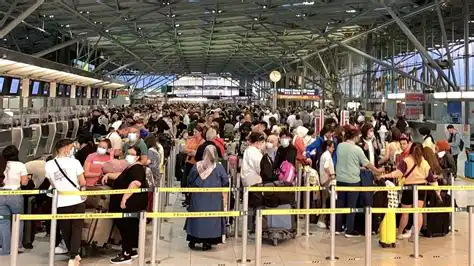
As Americans flood the highways instead of bustling airport terminals, the travel industry is swiftly adapting to this new reality. Hotels in smaller cities and suburban areas are modernizing their digital systems to accommodate last-minute bookings. Travel apps and navigation tools are rolling out real-time updates to guide drivers around congested areas effectively. Additionally, authorities are deploying advanced traffic-monitoring technologies and ramping up roadside patrols to enhance traveler safety.
Essential Tips for Travelers
To navigate this holiday travel frenzy successfully, experts recommend several strategies. Leaving early in the morning can help travelers avoid the worst of the congestion. Utilizing apps like MnDOT’s 511 for live updates can provide crucial information to circumvent traffic jams. Those towing campers or boats should practice beforehand to ensure they handle their vehicles safely. It’s also wise to pack plenty of water, snacks, and emergency supplies in case of unexpected delays. Ultimately, patience might be the most critical asset travelers can bring with them this Fourth of July.
America’s Love for Freedom and Travel
The rush to hit the roads during this Independence Day reflects a deeper yearning within the American spirit. People are eager for freedom, connection, and a chance to reclaim traditions that may have felt distant in recent years. The Fourth of July stands as a potent symbol of this desire for exploration and adventure. However, the unprecedented scale of this holiday travel movement raises important questions about how infrastructure, travel businesses, and local communities will adapt to keep pace.
Looking Ahead: The Future of Holiday Travel
The lessons learned from this year’s Fourth of July travel will extend far beyond the fireworks and parades. Travel companies, state agencies, and transportation experts will analyze data from this week for months to come, seeking insights into evolving travel patterns and preferences. One thing is certain: the call of the open road continues to resonate with Americans, and as this holiday approaches, millions are answering that call like never before.