Malaysia’s tourism sector has ignited a remarkable transformation in 2025, propelling the nation into the spotlight alongside Japan, Thailand, the Philippines, Singapore, and Indonesia. American travelers, seeking fresh and immersive adventures this July Fourth Independence Day, are increasingly drawn to Malaysia’s blend of modernity, tradition, and natural beauty. A recent data surge reveals unprecedented growth in arrivals, bookings, and spending, setting the stage for Malaysia to challenge long‑established regional leaders and captivate a new generation of US tourists.
A Rising Star in Southeast Asia’s Tourism Boom
Once overshadowed by regional heavyweights, Malaysia is now rewriting its travel narrative. In 2024, the country recorded 38 million international arrivals, demonstrating a robust recovery from the pandemic era. The momentum carried into 2025: from January through April, 25.6 million visitors entered Malaysia—a 7.1% year‑on‑year increase. Although American tourists represent a smaller share of total arrivals, their average expenditure outpaces many other markets, driven by a hunger for authentic cultural exchanges, sustainable eco‑experiences, and value‑packed itineraries. Travel agencies in the US report record‑breaking bookings for Malaysian destinations, spotlighting the nation’s ability to cater to evolving preferences for off‑the‑beaten‑path adventures and high‑comfort stays.
Thriving Accommodations and the Resurgent Cruise Sector
Malaysia’s hospitality industry is operating at full throttle as Independence Day approaches. By late June 2025, over 53.3% of July hotel rooms were already reserved, with August reservations climbing rapidly. Leading global brands such as Meliá and Hilton are expanding properties in Kuala Lumpur and Langkawi, capitalizing on surging demand for luxury accommodations. Meanwhile, boutique hotels in heritage enclaves like George Town deliver uniquely Malaysian charm—restored shophouses transformed into stylish retreats that blend colonial architecture with contemporary design.
The cruise segment has likewise rebounded, with US‑based lines reinstating Southeast Asian routes that include Penang and Langkawi calls. These itineraries allow American travelers to sample Malaysia’s highlights without committing to land‑based trips, while local businesses near ports—tour operators, craft vendors, street food stalls—flourish as they cater to cruise passengers seeking authentic local experiences.
Top Destinations on US Itineraries
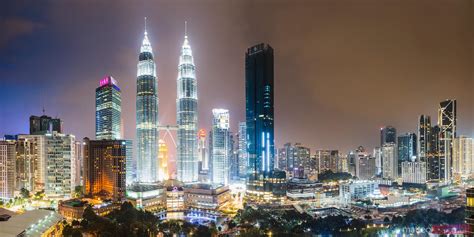
- Kuala Lumpur: Beyond the iconic Petronas Twin Towers, emerging neighborhoods such as Kampung Baru offer a glimpse of traditional Malay life, with wooden homes, bustling street stalls, and vibrant night markets.
- Penang: George Town’s UNESCO‑listed streets teem with heritage architecture, street art, and culinary hotspots. Food tours focusing on char kway teow, asam laksa, and nasi kandar are especially popular among American food enthusiasts.
- Borneo (Sabah & Sarawak): Adventure seekers flock to rainforests teeming with orangutans, explore the limestone caverns of Mulu National Park, and dive into the crystal‑clear waters of Sipadan Island. Sustainable wildlife conservation and eco‑lodges cater to travelers committed to minimizing their environmental footprint.
Popular Activities Captivating American Travelers
Malaysia’s diverse landscape ensures every traveler finds their perfect pursuit. Adventure seekers tackle the 4,095‑meter summit of Mount Kinabalu or embark on spelunking expeditions in Gunung Mulu’s subterranean networks. Culture enthusiasts wander the colonial streets of Malacca, explore centuries‑old temples and mosques, and participate in traditional batik‑making workshops. Food aficionados navigate hawker centers for spicy renditions of samosa‑like curry puffs, savor jungle foraged ingredients in Borneo’s highlands, and indulge in multi‑course degustations at fine dining establishments. Shopaholics haggling for souvenirs in night bazaars and affine boutiques in Kuala Lumpur’s Bukit Bintang district discover everything from handcrafted textiles to high‑end designer labels. As night falls, the city’s rooftop bars and vibrant night markets create electric atmospheres that keep visitors enthralled long after dark.
Practical Tips and Budgeting for American Visitors
To maximize comfort and value, US travelers should consider the following:
- Lodging: Budget guesthouses range from $15–$30 per night; mid‑range hotels average $40–$80, ideal for families and extended stays; luxury resorts command $100–$300+, particularly in beach destinations like Langkawi. Early booking during peak festivals such as Hari Raya and Chinese New Year is essential.
- Cuisine: Must‑try dishes include char kway teow, asam laksa, nasi kandar, and the iconic teh tarik. Street meals cost as little as $2–$3, while mid‑range restaurant dinners rarely exceed $20 per person.
- Transport: A robust network of domestic flights connects Kuala Lumpur, Penang, and Borneo. Trains and long‑distance buses offer affordable alternatives. In cities, the MRT, monorail, and the Grab rideshare app ensure seamless urban travel.
- Costs: Malaysia remains one of Southeast Asia’s most budget‑friendly destinations. Cashless payments are widely accepted, simplifying transactions for visitors accustomed to card usage.
- Entry Requirements: US citizens enjoy visa‑free entry for 90 days, provided passports are valid for at least six months beyond travel dates. English proficiency among tourism personnel guarantees clear communication, while simple customs—such as modest dress in religious sites and shoe removal in homes—facilitate respectful interactions.
Malaysia’s Bright Horizon: Outlook for Independence Day 2025
With its unique fusion of contemporary urban landscapes, lush natural wonders, and dynamic cultural tapestry, Malaysia is positioned to become the next must‑see destination for American travelers this Independence Day. The convergence of record‑setting arrivals, expanding hotel infrastructure, and a thriving cruise sector signals that Malaysia’s tourism growth is not a fleeting trend but a sustained upward trajectory. As summer unfolds, the nation’s ability to deliver authentic experiences at compelling value points will solidify its standing as a regional leader in hospitality and adventure tourism.
America’s Independence Day Travel Record and Its Global Impact
While Malaysia’s surge electrifies Southeast Asia, Americans at home are breaking domestic travel records. The July Fourth week of 2025 witnessed 72.2 million travelers, including 61.6 million road trippers and 18.5 million TSA screenings—the highest ever for this holiday period. Airfares climbed 3–4% to an average of $585–$810 for domestic roundtrips, yet demand remained insatiable. Conversely, international fares dipped by around 13%, prompting spontaneous bookings to Europe and Asia. Hotel occupancy soared near capacity at an average nightly rate of $213 (an 8% decrease year‑on‑year), and cruises attracted 4.78 million passengers, rejuvenating ports from Miami to Seattle.
This confluence of domestic and international travel booms reinforces the notion that the spirit of Independence Day now transcends national borders. As Americans embrace both road trips and overseas adventures, destinations like Malaysia stand to benefit from a newfound wanderlust, ensuring that global travel continues to flourish well beyond 2025.