As the Fourth of July approaches, Virginia finds itself alongside Georgia, Florida, Mississippi, Kentucky, Louisiana, and Arkansas, all under a high alert due to an impending weather system that threatens to disrupt holiday travel plans. The forecast is grim, with heavy rain, flooding, and strong storms poised to spoil the celebrations for millions of Americans eager to commemorate their nation’s independence.
The Southeast is bracing for turbulent weather as rain pours down and floodwaters rise. The National Weather Service has issued numerous warnings indicating that this chaotic weather will not only affect local residents but also impact travelers flocking to popular tourist destinations. The looming question remains: will the skies clear for fireworks and festivities, or will families find their holiday plans washed away?
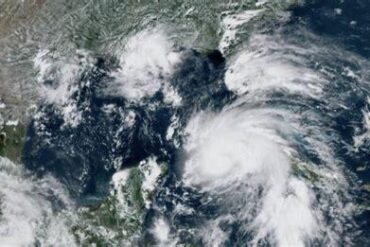
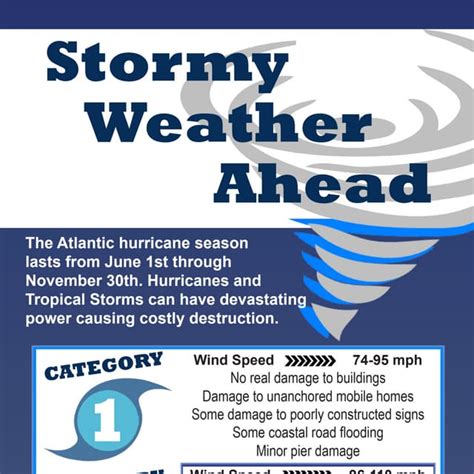
Virginia’s inclusion in this storm watch underscores the widespread nature of the threat. The National Hurricane Center has flagged the region with a medium chance of tropical development, potentially leading to the formation of Tropical Storm Chantal. Even if this system does not intensify into a named storm, it still poses significant risks, including rainfall totals that could reach up to 6 inches in some areas, resulting in flash floods that threaten to transform holiday joy into chaos.
Across the Southeast, including southeastern Georgia and the Carolinas, anxiety is palpable as a lingering cold front threatens to unleash repeated rounds of rain and thunderstorms through the holiday weekend. Communities that typically enjoy a surge in tourism during this festive season are now forced to juggle preparations for potential storm responses alongside their holiday festivities. Coastal towns, amusement parks, and beachfront resorts are on high alert, bracing for possible travel disruptions, road closures, and hazardous conditions that could keep visitors indoors.
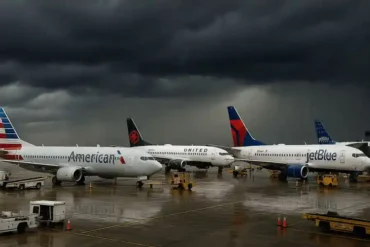
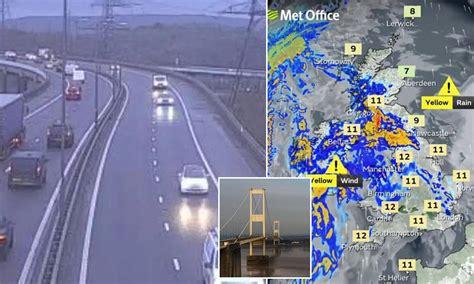
The impact of the weather is far-reaching. Heavy rain can lead to flooded roads, while regional airports face the possibility of significant delays and cancellations. Major highways, crucial for July 4th road trips, could become treacherous due to sudden flooding and poor visibility. Travelers are advised to stay informed and consider alternate routes or even alternative holiday plans.
This year’s Independence Day travel narrative paints a stark contrast between regions. While the Southeast grapples with the threat of inclement weather, the Northeast prepares for what is expected to be nearly perfect holiday conditions. Following a strong cold front, meteorologists predict that by Friday, dry air and sunshine will dominate the region, with highs expected in the mid-80s, creating ideal conditions for outdoor celebrations. Cities such as New York, Boston, and Philadelphia anticipate large crowds enjoying parades, concerts, and iconic fireworks displays.
However, the Northeasterners must remain vigilant on Thursday as severe storms threaten to disrupt evening commutes and early travel plans. The National Weather Service has issued a Severe Thunderstorm Watch across key urban areas, warning of damaging winds, isolated hail, and power outages that could create hazardous conditions, affecting both local events and travel safety.
As the clock ticks down to July Fourth, the Federal Aviation Administration (FAA) projects that this holiday week will see the busiest air travel volume in 15 years, with over 300,000 flights scheduled nationwide. More than 18.5 million passengers are expected to traverse security checkpoints, especially at airports along the Eastern Seaboard, from Miami to Boston. The potential for weather-related disruptions looms large, with airports preparing contingency plans for flight delays, diversions, and cancellations that could ripple through the national travel grid.
This Independence Day may very well be divided along geographical lines, as the Southeast faces the burden of heavy rain and the potential for tropical storms, which could dampen tourism spending and lower visitor numbers. In contrast, the Northeast stands to benefit from a tourism windfall if the forecast holds true, with beach towns in New England anticipating a last-minute rush of travelers eager to seize the sunny weather.
For businesses in the travel and tourism sector, the stakes are high. Many rely on the Fourth of July as a financial cornerstone of the summer season. Weather disruptions could lead to lost revenue and logistical chaos. Hotels and resorts in storm-prone areas are proactively implementing flexible cancellation policies and planning alternative activities for guests. Airlines are encouraging passengers to sign up for flight alerts, frequently check forecasts, and allow extra time for airport processes as they navigate these tumultuous conditions.
Travelers are urged to maintain a balance between optimism and caution as they prepare for the holiday. While the Northeast promises clear skies, the unfolding weather story in the Southeast requires vigilance. Monitoring local forecasts and adhering to official warnings will be crucial in determining whether the Fourth of July shines bright with fireworks or fades beneath torrential rains. One undeniable truth remains: America’s passion for travel and celebration perseveres, even in the face of unpredictable weather.