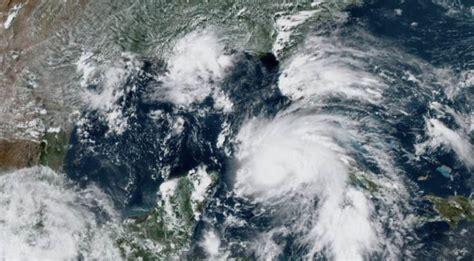
As millions of Americans prepare to celebrate Independence Day, Florida is set to join Texas, New York, Minnesota, Wisconsin, Michigan, Massachusetts, and California under the looming threat of torrential thunderstorms. This alarming forecast serves as a stark reminder that the holiday, marked by barbecues, fireworks, and family gatherings, could be overshadowed by nature’s fury. Meteorologists are raising red flags as storm clouds gather on the horizon, indicating that what should be a joyous occasion may instead turn into a chaotic scramble as severe weather disrupts travel plans across the nation.
In a year where many had mapped out their perfect holiday getaways, the reality of torrential thunderstorms threatens to transform serene picnic spots into soaked fields and festive fireworks displays into dangerous electrical storms. The latest updates from the National Weather Service signal that travelers must remain vigilant as they navigate their holiday plans.
Holiday Hopes Meet a Tempestuous Sky
As the clock ticks down to July Fourth, an electric atmosphere hangs over the country. The skies, which are typically filled with dazzling fireworks, may instead become a canvas for thunder and lightning. Across America, millions have been looking forward to outdoor celebrations, but the threat of severe thunderstorms looms large, particularly in the Upper Midwest and Plains regions.
The heart of the storm threat is expected to beat strongest across states like North Dakota, Minnesota, Wisconsin, and Michigan, where conditions are ripe for severe weather. These areas could experience violent thunderstorms packing hail large enough to damage vehicles, high winds capable of uprooting trees, and flash flooding that transforms highways into rivers. Travelers heading through these regions should brace for sudden changes in weather that could lead to significant delays, reroutes, and cancellations.
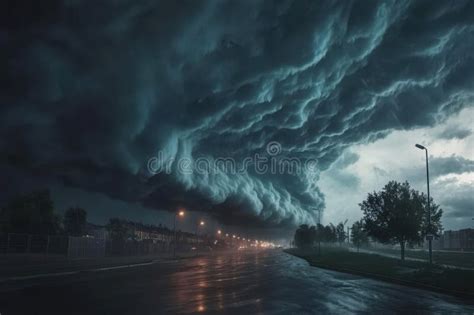
Florida Faces Wet Fireworks and Tropical Trouble
Meanwhile, Florida, known for its sunny beaches and vibrant celebrations, finds itself in the bullseye of intense afternoon thunderstorms. The state’s humid climate often leads to sudden downpours that could turn idyllic beach days into scenes of chaos, with umbrellas flipping and waves crashing onto shore. Although these storms usually diminish after sunset, those planning to stake out spots for fireworks must keep a wary eye on the darkening clouds that could dampen their plans.
Northeast Catches a Break – Almost
In a surprising twist, the Northeast region appears to be escaping the worst of the stormy weather, as drier and less humid conditions settle over cities like Boston and New York. This rare reprieve offers a glimpse of hope for millions eager to enjoy barbecues and fireworks displays. However, lingering showers may still threaten parts of northern and eastern New England, serving as a reminder that summer weather can be unpredictable.
Monsoon Madness in the Southwest
Meanwhile, the Southwest is gearing up for a different kind of chaos as the annual North American monsoon begins to stir. Tropical moisture streaming northward from Mexico is expected to bring heavy thunderstorms and sudden downpours. Travelers venturing into desert parks or scenic highways must remain alert to the risks of flash floods, which can arise unexpectedly and turn harmless-looking dry riverbeds into torrents of water and debris.
Air Travel Teeters on a Knife’s Edge
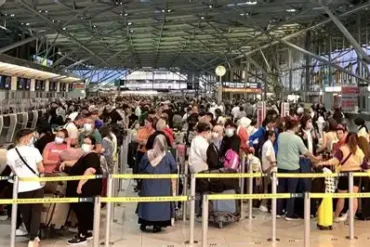
The impact of these weather systems extends beyond the highways. Air travel is under considerable strain during this peak summer season, with thunderstorms posing a significant risk of mass disruption. Airports from Minneapolis to Miami are bracing for rolling delays as storm systems move through, creating ripple effects that could affect flight schedules nationwide. Passengers find themselves anxiously watching departure boards as delays accumulate, hoping their holiday journeys don’t end with them stranded in crowded terminals.
Coastal Communities Prepare for Firework Fiascos
Coastal cities, especially those in Florida and Southern California, have their own concerns as they prepare for potential fireworks fiascos. Factors like marine layers and lingering thunderstorms could obscure planned fireworks displays, leading to disappointment for families eagerly awaiting the show. Even in areas where the skies are clear, light winds may trap smoke over crowds, detracting from the visual splendor of the pyrotechnics. Fireworks crews may face delays as they wait for optimal conditions to launch their displays safely.
Nature’s Fury Takes Aim at America’s Holiday Rush
As July Fourth approaches, the brewing threat of violent storms and flash flooding poses serious risks not just to travel plans but also to lives and infrastructure. The chaos is expected to peak right as millions hit the highways and airports, creating a perfect storm of delays and hazardous travel conditions.
The Northeast has already felt the impact of severe weather, with heavy thunderstorms bringing torrential rains that have submerged roads and flooded communities. Travelers heading to airports in cities like New York City, Philadelphia, and Washington, D.C. faced significant disruptions, resulting in over 1,600 flight cancellations nationwide. What should have been smooth holiday departures turned into chaotic scenes as passengers scrambled to find alternative routes.
Interstate Corridors Turn Into Battlegrounds
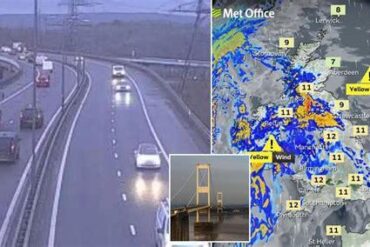
The fury of the storms isn’t limited to the skies; major highways like Interstate 81 and Interstate 95 are also feeling the brunt of the severe weather. Drivers traveling from southern New Jersey to northern Florida are encountering treacherous conditions as pounding rains create rivers where roads once ran clear. Localized flash floods have turned neighborhoods into lakes, trapping drivers in rising waters and stretching emergency services thin.
Upper Midwest Braces for Impact
As the Northeast grapples with the aftermath of the storms, the Upper Midwest prepares for its own meteorological onslaught. A fresh cool front moving southeast from Canada is predicted to ignite severe thunderstorms across eastern Minnesota, Iowa, and parts of Michigan. While the humidity may be lower than along the Atlantic coast, the threat of damaging hail and fierce winds remains significant, with forecasts indicating potential for widespread power outages and property damage.
Great Lakes to Feel the Wrath
The Great Lakes region is also in the storm’s crosshairs. On July Fourth, storms packing moderate hail and powerful wind gusts are expected to sweep across cities, causing outdoor furniture to be tossed and power lines to snap, plunging neighborhoods into darkness. The weather system does not recognize borders, extending its reach into southeastern Ontario and southern Quebec, putting vast swathes of North America on alert.
Plains and Midwest Threatened on Independence Day
As the holiday dawns, a fresh corridor of severe storms is anticipated to ignite from northern Kansas through eastern Dakotas, Minnesota, and northwestern Wisconsin. These storms carry grave threats, including towering thunderheads capable of spawning damaging hail, flash floods, and even isolated tornadoes. Communities that were preparing for Independence Day parades and fireworks may instead find themselves facing emergency alerts and flooded streets.
Southwest’s Monsoon Fury Rises
The Southwest, too, is experiencing its share of chaos as the North American monsoon activates. This seasonal shift triggers explosive thunderstorms almost daily, bringing torrential downpours that can swiftly transform dry riverbeds into raging torrents. Flash floods can occur suddenly, even miles away from the initial storm, leaving residents and travelers alike at risk.
Airlines, Travelers, and Businesses Brace for Disruption
The human impact of these weather systems extends beyond travel disruptions. Airlines, already stretched thin due to high demand, now face additional challenges such as rerouted flights and crew displacements. Delays and cancellations ripple through the network, leaving travelers stranded in terminals or scrambling to rebook on fully booked flights. Businesses that depend on holiday travel, including hotels and rental car agencies, are preparing for lost revenue as plans unravel due to the inclement weather.
Travel Tips as Storms Threaten Holiday Plans
With storms threatening holiday plans across the nation, travelers should take proactive measures to ensure their safety and enjoyment. Here are some tips to consider:
- Check flight status frequently: Utilize real-time apps and alerts to stay informed about any changes to your itinerary.
- Consider adjusting your travel schedule: If possible, travel earlier or later than peak days to avoid the worst weather.
- Pack essentials: Bring snacks, water, and patience, as delays may stretch into hours.
- Stay alert on the road: Prepare for detours and avoid flooded roads at all costs.
- Reassess nonessential travel: Those with vulnerable family members or medical needs should reconsider their plans as nature flexes its muscles.
A Summer to Remember—or One to Forget?
As Independence Day draws near, the question remains: Will celebrations unfold under clear skies, or will fireworks be replaced by lightning and sirens? With climate change contributing to more intense weather events, this year’s chaos may be a harbinger of summers to come. Nevertheless, the spirit of American travelers remains unbroken; they adapt, reroute, and press on—because while storms may rage, the journey never truly ends. One thing is certain: this Fourth of July, travelers across America will remember exactly where they were when the skies opened up.